Many factors can cause our skin to change in colour, but when white patches appear, it can cause concern. Knowing what causes vitiligo will allow you to treat your skin early and know what steps to take to help prevent further complications.
Understanding Skin Pigmentation
Your skin pigment is derived from melanin, which is produced by cells known as melanocytes. Your skin contains these cells to help give your skin its colour and protect your skin from harmful UV rays. If something were to affect these cells, you may start to notice light patches.
If these cells decrease or become inactive, your skin will become lighter in certain areas. It can be light spots or spread throughout your skin. These changes don’t always indicate something is wrong within your body.
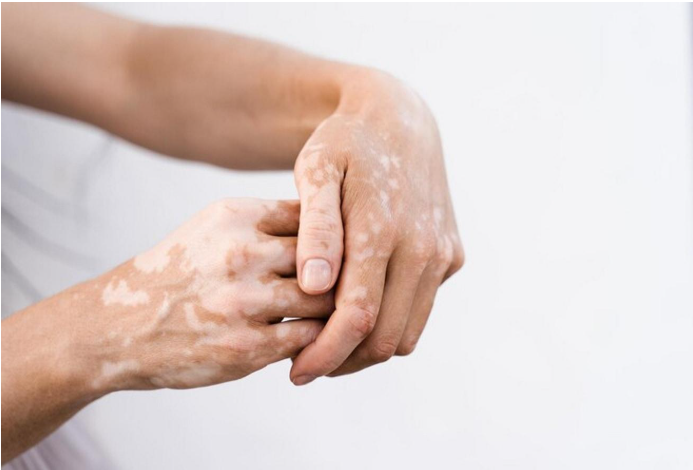
Vitiligo occurs when your body loses its ability to produce pigment cells. As your body loses these cells, white patches of skin will appear and can grow over time.
What Causes White Patches to Form?
There are many things that can cause your skin to have patches of white. Not all of them will be vitiligo. You could have a fungal infection or eczema that causes your skin to lose pigmentation. Your body may lack nutrients as well, which can cause this.
Vitiligo is when your body attacks its own melanocyte cells. This can be caused by genetics, high stress levels, an autoimmune disease, or even outside factors.
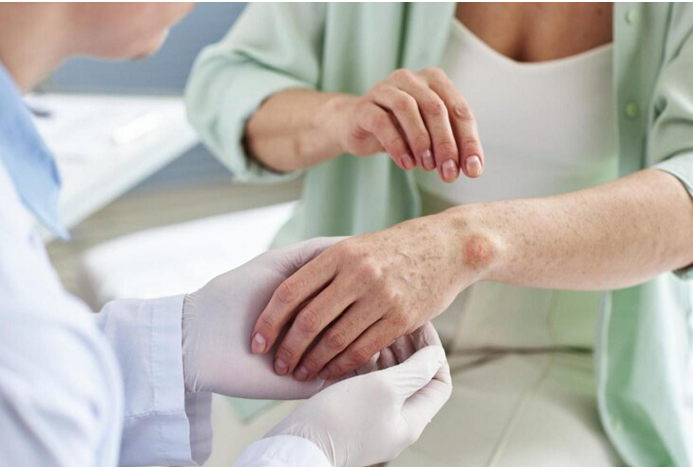
You will want to see a doctor for white patches on your skin. They will be able to determine if you have vitiligo or something else that is causing the discoloration.
How Does Vitiligo Progress?
It can start off with a light colored patch on your skin that you notice more because it’s darker than what it was before. These patches can stay the same for some time and then grow over your face or hands/feet. Or even creases in your body.
Some people experience their hair turning white in those areas as well. Others will have their patches get larger but not have any other symptoms.
It’s hard to tell how fast vitiligo will progress, so it’s best to monitor yourself for any new spots. Also, if you start to become sensitive to the sun.
Signs That Need Medical Attention
If the patch appears out of nowhere and grows very fast, or appears near your eyes, mouth, hands, or genitals. This is usually where you’ll start to see pigment loss first.
It’s always good to get an exam as well to see if you may have something else that looks like vitiligo. You may want to get blood work done to see if you have any thyroid issues or other autoimmune diseases.
- Edges of your patch become more defined
- White hair begins to grow in the patch
- You develop new patches from traumatic events or injuries
- Your lips begin to lose pigment, or your fingers
- You have a family history of losing pigment
Getting this information will help ease your mind. Although there is no quick fix, we can get you started in the right direction.
Can Vitiligo Be Cured?
There is currently no cure that we can say will work for everyone. However, people continue to look for one. Vitiligo can make you self-conscious about your looks.
The goal of treatment is to regain lost pigmentation and help prevent it from spreading further. Medication, natural treatments, and even surgery may be used to treat this. Depending on the age of the person and how advanced their vitiligo is.
Always have realistic expectations. There will be some areas that you will regain color in and some you may never regain any.
Treatment Choices Available Today
Treatments can help decrease inflammation and allow the body to grow more melanocytes. Your doctor may recommend topical steroids or calcium inhibitors to help with smaller patches.
If your patches are larger, then you may want to consider phototherapy. This will allow your body to regain more pigment over time. It’s also best used with other forms of treatment.
- Creams for small spots
- Phototherapy for larger areas
- Surgery for stubborn patches
- Makeup to help even out your skin tone
- Monitor progress to see what is working and what’s not
You should talk to your doctor to find what treatments will work best for your needs.
Why Early Diagnosis Matters
By diagnosing vitiligo early, you give your doctor more of a chance to help maintain your remaining pigment. Once more pigment cells have been lost its harder to maintain what you have.
Having vitiligo diagnosed also allows you to rule out what your condition is NOT. Having an expert tell you that you don’t have an infection or disease will take away that worry.
If you’re looking at homeopathy vitiligo treatment in India or any other form of treatment, keep this in mind. Always get diagnosed and know what you’re looking for in treatment.
Daily Care Tips for Healthier Skin
While these won’t cure your vitiligo, they can help keep your skin healthier. It’s important to wear sunscreen when in the sun because your white patches are more prone to burning than the skin that still has pigment.
You should also take care of your skin and avoid irritating your white patches. Some forms of vitiligo are caused by constant rubbing on the skin, so be aware of this when applying lotion.
- Wear sunscreen when outside
- Cover up during high amounts of sun exposure
- Do not wear clothing that constantly rubs
- Keep your skin moist
- Limit your stress and get plenty of sleep
All these will benefit your body while receiving treatment for vitiligo. They are simple things to do that can help you feel better.
Living Well With Visible Skin Changes
When you have vitiligo, your mental state can also be affected by having lighter skin on your body. Having loved ones around you who can help you through times when you may not know what to expect can help with living with vitiligo.
Having someone to talk to about vitiligo can help. Maybe through a therapist or a group chat of those who also have vitiligo. Once you learn how to describe vitiligo, you will find people won’t stare at you as much.
When looking for vitiligo treatment in madurai make sure you have someone to help you with living with vitiligo as well.