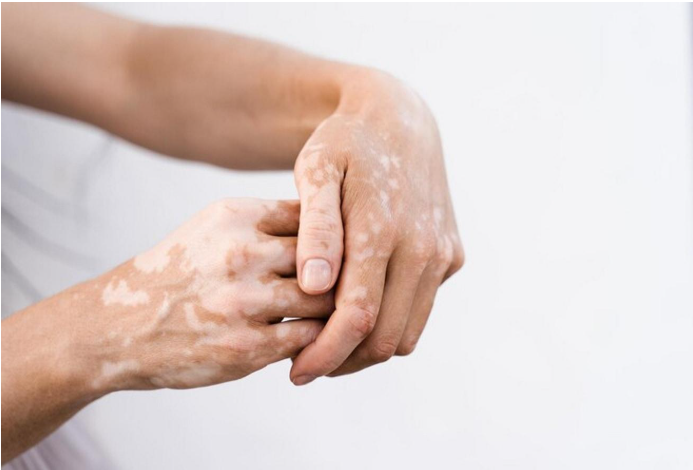
Having vitiligo can cause you distress since your skin will change color in obvious spots. But there are many options available for diagnosing vitiligo, preventing it from spreading and living with vitiligo. By using medicine you can prevent it from spreading and cover up your skin.
What Vitiligo Is and Why It Happens
Vitiligo is a disease where your skin will lose color in spots. This occurs when the cells in your skin stomp making melanin and therefore become lighter than the rest of your skin. Vitiligo can happen at any age and to any skin color or part of your body.
There is no known cause to why someone gets vitiligo. However autoimmune diseases are thought to be a large factor. It can be caused by genetics, stressful situations and even sun burns. Some people also get vitiligo from other illnesses. Your doctor will help you figure out what may be causing your vitiligo.
You cannot catch vitiligo from someone or develop it by having dirty skin. Once you know this you won’t have as much anxiety about it. You want to see a doctor when you notice new patches or if it’s spreading.
How Doctors Diagnose Vitiligo
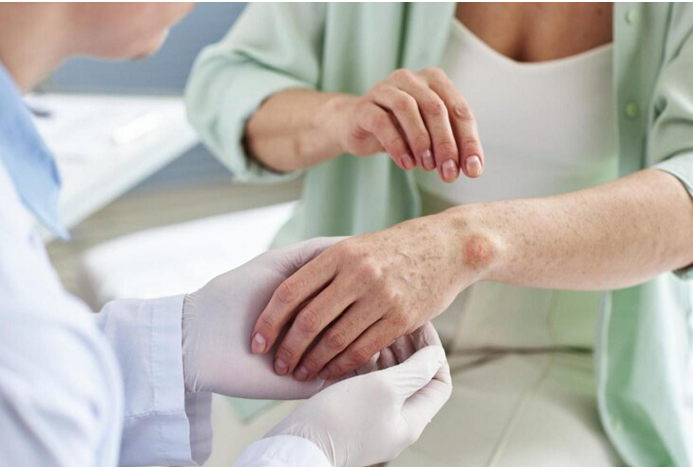
Your doctor will most likely start by taking your medical history and looking over your skin. They will evaluate your patch shape and color. Ask questions about your family history and any illnesses you have had or loss of pigmentation.
Your doctor may use a wood lamp to see your skin better. There may be times where your doctor does a blood work or skin biopsy to rule out other diseases. Vitiligo can be mistaken for many other skin conditions. Fungal infection can cause lighter patches just as eczema can. Your doctor will want to know if you have an autoimmune disease as well.
It’s important to get a proper diagnosis so you know what your options are. If it’s determined to be vitiligo you and your doctor can decide if you want to halt the progress or restore your skin pigment or both.
Why Early Treatment Matters
Treating vitiligo early can allow for a better chance of halting active vitiligo. The earlier your doctor starts your treatment the better results you can expect. Especially if your vitiligo has recently started.
By treating your skin early you are less likely to feel anxious about the disease. If your vitiligo has started to appear on your face you will feel anxious about how others perceive you.
- Treatments have a higher success rate on newer patches
- If you have active vitiligo it could become worse
- Your face may show signs of vitiligo clearing up faster than your hands
- Use sun screen to prevent further contrast in your skin
- Counseling can help with confidence
Don’t let your vitiligo progress to the point where you need a vitiligo cure. Though there may not be a cure for you right now there are ways to help treat your skin.
What Treatments Are Commonly Used?
This will depend on many factors such as age and where the patches are located. How far they have spread and how fast they are spreading as well. Your doctor may prescribe multiple treatments to help with your condition. There is no one treatment that works for everyone with vitiligo.
Medication in the form of topical steroids or calcineurin inhibitors can be used to regain pigment in smaller patch areas. UV light is also another option for those who have larger patch areas. Surgery is an option if your vitiligo has stayed the same for an extended period of time.
- Medications that can reduce inflammation around patches that are actively spreading
- UV light can help stimulate the production of melanocytes with consistent use
- If your vitiligo is local and stable you can look into surgery
- Covering your skin can help with your self image
- Taking care of your skin by using lotions and preventing dry skin can help as well
Your doctor should tell you how long it will take for you to regain pigment. It can take anywhere from a few months to never. Just make sure to follow your treatment plan.
Can Diet Help With Pigment Recovery?
No but having a healthy diet will help improve your skin condition. Make sure you eat a diet full of proteins, vitamins, minerals and fresh fruits and vegetables. Your body needs these to heal properly and to keep your immune system functioning well.
Vitamin d and other supplements have been asked about many times. They may help but not always. It’s best to get tested before jumping on all these different types of medicine.
Another factor to consider when improving your vitiligo is stress. Many patients find that they become stressed which can lead to their condition worsening. Getting enough sleep and doing things that relax you can benefit your body.
Where Homeopathic Approaches Fit in
There are many families who look for homeopathy for vitiligo treatment in chennai to go along with their normal doctor appointments. Usually homeopathic vitiligo medicine will be used for symptoms of the disease. Not for actual repigmentation of the skin.
If you want to take homeopathic vitiligo treatment make sure to tell your dermatologist about it. Do not stop your current treatment if you want to use these methods.
- Only use with medical assistance
- Be aware that patches may spread if you wait too long
- Find doctors who will help you with your diagnosis
- Don’t believe all results are guaranteed
- Take pictures to see your improvement
Make sure to stay informed about all the ways to cure vitiligo, including options for vitiligo treatment in madurai, and what they can do for you. If you have high expectations some methods may not work for you.
How to Protect Skin Every Day
Since your skin will be more visible when you don’t have pigment, it’s important to protect your skin daily. You should always apply sunscreen; this will help decrease your contrasts. Sunscreen will also prevent you from burning which can further irritate or cause more vitiligo.
Using non irritating products can help as well. Tight fitting clothes and even shaving can cause more irritation to these areas. Keep your skin moisturized, use a non fragrant soap and wear loose clothing to help your skin.
- Wear sunscreen outside even if its cloudy
- Wear loose fitting clothing to avoid friction
- Wash your skin with a mild soap no strong scent
- Moisturize when your skin is dry
- Make sure your lips hands and feet are protected
While these tips will not clear your vitiligo they will help keep you comfortable in your everyday life. Always try to protect your skin and it will make a big difference in the long run.
How to Choose the Right Specialist
You want to find a dermatologist that knows about vitiligo and skin pigmentation issues. This will help you know what to expect with treatments and further referrals if your vitiligo begins to spread. Or if you start to show signs of other autoimmune diseases.
When seeing your doctor make sure you know what steps they will take to monitor your condition. Ask what they can expect from your skin when treating. Side effects and length of time they will want you on a certain treatment. By knowing this you can better assess if they are giving you realistic options.
Find someone that doesn’t try to sell you on too many things. Someone who can give you an honest opinion and work with you to get results that you are happy with.
Living Well With Vitiligo Long Term
There are many things that you can do to live with vitiligo. Some may gain some color back in their skin. Others may learn how to control the spreading of their vitiligo. Help yourself become comfortable with your skin and live a normal life.
You can join support groups or talk to a counselor. Learn about camouflage makeup or teach your children about your condition. It’s important to learn to love your body again. When you have more self confidence you’ll enjoy life more.
You may not see results right away but know that your skin will continue to improve with treatment.