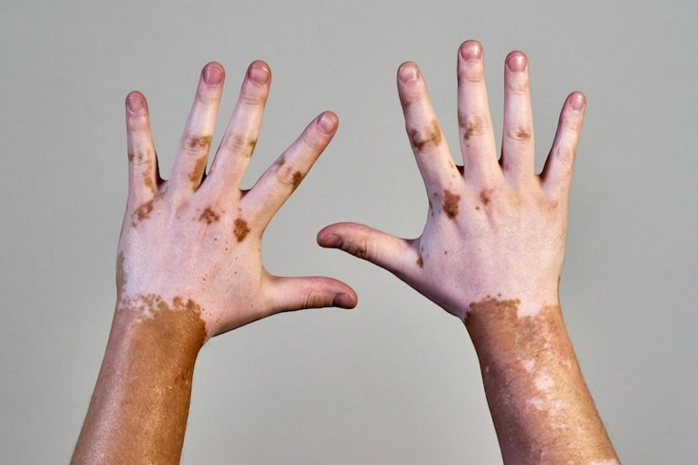
Vitiligo is actually a skin condition that affects confidence and pigmentation. Many factors, like genes, autoimmunity, and triggers, contribute to vitiligo. Understanding vitiligo helps manage it and explore treatments and self-care.
Understanding the Role of Genetics in Vitiligo
Genetics plays a big role in vitiligo, influencing onset and progression. Some people inherit vitiligo, which may be caused by environmental factors. Family members of those with vitiligo have an increased risk, actually.
Families with many members having vitiligo are not uncommon. Some immune system genes actually play a major role in vitiligo. Genetic changes actually increase the likelihood of getting vitiligo over time. Genes alone do not cause vitiligo because lifestyle and environment matter. While genetics is a foundational element, lifestyle improvements and early care can reduce further pigmentation loss.
How Autoimmune Disorders Contribute to Vitiligo
Autoimmune disorders largely contribute to vitiligo by triggering the body’s immune system to mistakenly attack its own melanocytes. The autoimmune response actually damages and destroys pigment cells. Diseases like arthritis and diabetes often actually coexist with vitiligo.
Targeting melanocytes, the immune response reduces pigmentation over time. Research shows a strong overlap between vitiligo and immune diseases. Diseases like lupus indeed increase risk, actually, and lead to issues. It is vital to manage inflammation and conditions simultaneously. Therapeutic options, including drcheena® Homeopathic Vitiligo Treatment and medicines for autoimmune care, are known to help.
Environmental and Lifestyle Triggers for Vitiligo
Lifestyle factors and the environment kind of worsen vitiligo for some people. Avoiding triggers actually minimizes the severity of vitiligo symptoms completely.
- Sunburns can worsen vitiligo by damaging melanocytes, compromising pigmentation. Using sunscreen basically prevents melanocyte damage.
- Poor skincare routines and excessive chemical use strip skin barriers, adding to melanocyte stress.
- A diet low in antioxidants can worsen oxidative stress, a common issue in vitiligo. Vitamin foods actually help vitiligo over time.
- Smoking and alcohol consumption impair overall health and skin resilience, possibly worsening vitiligo symptoms.
- Pollution exposure contributes to oxidative damage, which adversely affects pigmentation. Protective gear basically helps avoid potential skin issues.
Finding triggers and expert help slows pigment loss progression. Healthy habits kind of improve outcomes significantly over time.
Stress and Its Impact on Vitiligo Development
Stress actually harms vitiligo progression and onset heavily over time. Stress weakens immunity, disrupting melanocytes over a long time. Stress increases cortisol, harming repair mechanisms actually and significantly.
Anxiety worsens symptoms during life events really badly over time. Long-lasting stress basically raises skin sensitivity, and imbalances worsen issues. Emotional troubles are a kind of slow treatment, worsening vitiligo damage, basically.
Managing stress, actually using therapy or mindfulness, is totally key. Meditation or yoga practices can calm stress over time. Stress control with treatments like Dr. Cheena skincare restores balance, actually.
The Influence of Vitamin Deficiencies on Vitiligo
Vitamin deficiency kind of weakens skin and worsens vitiligo slowly. Low vitamin levels actually hinder cellular recovery and slow healing.
1. Lack of vitamin D is common in vitiligo patients.
2. Low levels of vitamin B12 are often linked to skin conditions, as this vitamin strengthens the nervous system and immunity.
3. Folic acid deficiency has been correlated with rapid pigment loss in vitiligo cases.
4. Vitamin C, known for its antioxidant properties, fights oxidative stress, affecting pigmentation in vitiligo. Vitamin D actually helps immunity and, well, refreshes pigment cells.
Vitamins with Dr. Cheena treatments help pigment restoration and boost health.
Chemical Exposure as a Risk Factor for Vitiligo
Chemical exposure quickens vitiligo progression, kind of harming melanocytes. Bad products or poor conditions increase health risks greatly.
Certain harsh chemicals directly affect skin cells. Prolonged exposure weakens the skin’s defense, leading to spot development:
- Industrial chemicals like phenols or catechols damage melanocytes over time.
- Hair dyes, containing harmful agents, trigger irritation that exacerbates vitiligo symptoms.
- Constant contact with cleaners can erode the skin’s resilience, especially in sensitive individuals.
- Cosmetics with allergens like parabens exacerbate inflammation, worsening existing spots.
Using mild products actually reduces exposure risks and helps the skin. Caution and Dr. Cheena skincare improve healing, basically for outcomes.
The Role of Skin Trauma in Triggering Vitiligo
Skin traumas basically cause vitiligo over genetically and physically predisposed spots. Damaged skin areas often show depigmentation. The Koebner phenomenon means that injured skin completely loses pigment cell function.
Scars and burns disrupt melanocytes and weaken healing over time. Tight clothes rubbing repeatedly actually creates new white patches. Proper healing and consulting dermatologists on spots is actually vital.
Avoiding injuries actually lowers the worsening of vitiligo symptoms. Treatments like Dr. Cheena basically preserve pigment and limit skin harm totally.
Hormonal Imbalances and Their Link to Vitiligo
Hormonal problems in the thyroid overlap with vitiligo symptoms often. Endocrine problems kind of mess up melanocytes, damaging cells badly.
Thyroid issues actually worsen immune responses fully and cause loss. Puberty or pregnancy hormonal changes basically worsen vitiligo in people. Hormonal checkups actually kind of stabilize problems and help manage them.
Managing hormonal shifts actually reduces their bad influence slowly. This includes balancing hormones naturally through Homeopathic Vitiligo Treatment as part of holistic care protocols.
Can Certain Infections Trigger Vitiligo?
Infections indirectly worsen vitiligo risk by confusing immune activity. Inflammation from infections actually harms melanocytes greatly over time. Viruses increase systemic inflammation, actually worsening vitiligo symptoms fast.
An untreated fungal infection actually creates local pigmentation loss quickly. Minor infections for people prone kind of worsen pigmentation issues. Infection protection heavily depends on immunity and strong skin health.
Timely infection care through homeopathy helps mitigate risks really well. Health checks control complications and are basically essential, and it’s important to know about vitiligo in homeopathy for better management.
What genetic markers are associated with vitiligo development?
Some genetic markers linked to autoimmunity actually increase vitiligo risk. Gene variations like HLA kind of increase susceptibility to vitiligo. Inheriting these markers basically does not guarantee vitiligo onset ever.
How do autoimmune diseases increase vitiligo risk?
Autoimmune conditions attack cells, disrupting melanocyte health. Immune attacks gradually destroy pigment cells, actually over time. Managing autoimmune disorders kind of reduces the big impact on pigments.
Are there specific environmental factors that exacerbate vitiligo symptoms?
Factors like sunburns and chemical pollution can considerably worsen vitiligo, often thoroughly. Melanocyte stress rises rapidly, causing rapid pigment loss eventually. Skin protection basically lowers symptom level better every time.
What lifestyle changes can help minimize vitiligo progression?
Stress changes vitamins, and sunscreen all improve skin problems altogether. Dr. Cheena’s treatments really improve skin health, basically always strengthening.
Vitiligo management seems difficult, but early care kind to help well. Dr. Cheena’s treatment and habits limit pigment loss effectively. Visit Laxmivitiligocentre at Madurai, Chennai, Bangalore, or Coimbatore for expert care. Call +91 96553 91011 or email laxmivitiligoindia@gmail.com.