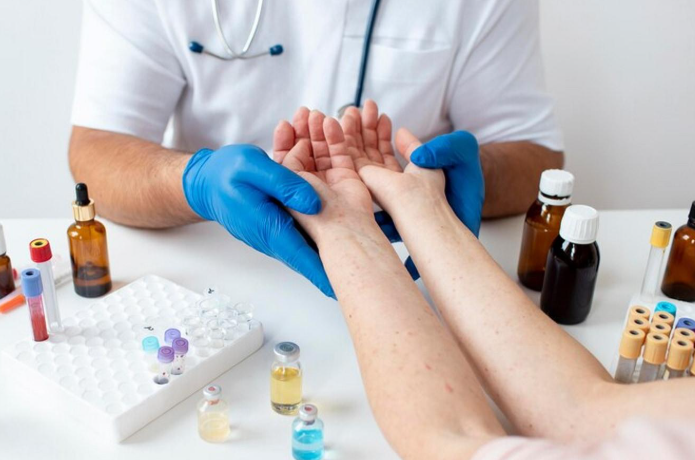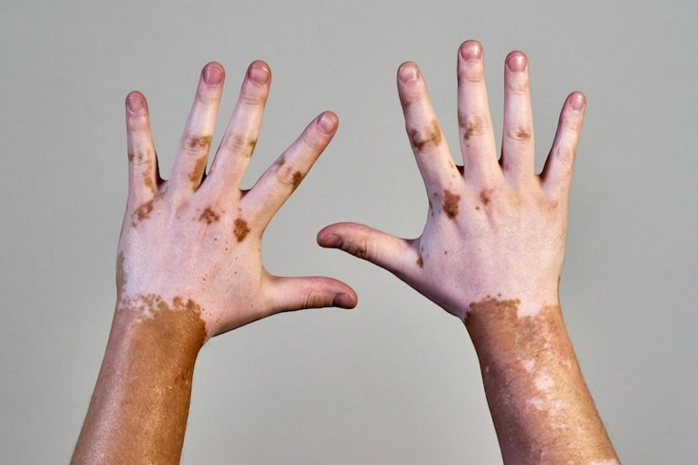
Melanocyte damage actually causes vitiligo, a skin condition where color is lost. It appears as white spots on the body and worsens differently.
Modern dermatology seeks patterns and basically stops diseases from worsening. It often takes multiple ways to handle immune and systemic problems.
Vitiligo treatment combines medical knowledge and understanding of the person. Obvious symptoms and deep imbalances are resolved together.
The Concept of Holistic Dermatology
Holistic dermatology treats the person wholly, not just the skin issue. It sees how physical health, emotional health, and environment connect to skin.
This method shows skin problems often mean imbalances within the body. Solving these problems makes treatment work better and supports long-term health.
Combined holistic methods and care give patients better personalized health treatments.
Role of Homeopathy in Collaborative Care
Homeopathy helps fix imbalances internally and is part of vitiligo care. With treatment, it supports immunity and helps with slow repigmentation effects.
Treatment is tailored well to each patient’s health and symptoms. This allows personalized methods that actually help with clinical interventions.
People with vitiligo often go to the best vitiligo specialist in India to get integrated care that combines dermatology and homeopathy to get better results.
Understanding the Need to Control Spread of Vitiligo
The main goal of vitiligo treatment is actually to stop spreading. Finding early phases helps doctors stabilize and stop worsening.
Dermatology and homeopathy help achieve this, actually, in different ways. Dermatology treats skin issues, and homeopathy focuses on the root cause.
The spread of vitiligo is easier to control when working together. This helps treatment stay proactive, adapting to changes.
Importance of Individualized Treatment Plans
Vitiligo symptoms need unique treatment and different care types. Plans consider medical history, lifestyle, and emotional state for treatments.
Homeopathy helps by selecting treatments based on the constitution. Dermatology does clinical evaluations that help doctors decide what treatments to use.
When these approaches are used together, therapy is both accurate and flexible. This makes treatment for Vitiligo work better and helps with long-term stability.
Key Factors Considered in Collaborative Evaluation
In a collaborative evaluation, different parts of the patient’s health are looked at together. This makes sure that the treatment takes into account both internal and external factors that may be causing the condition.
- How the immune system works and how it reacts
- mental health and things that cause stress
- food choices and the right amount of nutrients
- Exposures in the workplace and in the environment
By putting these things together, practitioners make a full care plan. This method helps treat and promote overall better health.
Lifestyle Interventions Supporting Treatment
Lifestyle changes are actually a key part of vitiligo management. Changes remove triggers and help the environment support treatments better.
- Eating healthy, balanced food and keeping a diet helps.
- using techniques to deal with stress
- Staying away from harsh chemicals and irritants
- Making sure you get enough sleep and water
These methods support dermatological and homeopathic care effectively. A regular lifestyle helps healing and makes better treatments.
Emotional Wellbeing in Holistic Care
Vitiligo affects mental health, so support is important. Skin changes may cause anxious feelings and low confidence in patients.
Holistic care helps with worries and includes emotional support in plans. Homeopathy balances symptoms and can actually help with emotional patterns.
Treatment is better and works well when emotions stay stable. Supported patients are actually more likely to stay with care.
Monitoring Progress Through Integrated Methods
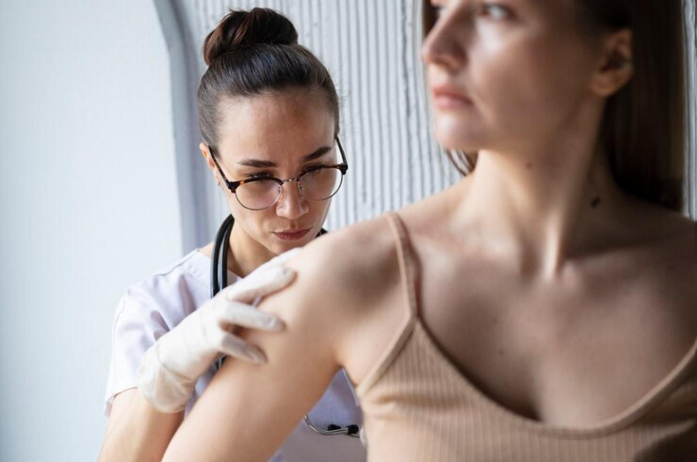
As part of collaborative vitiligo care, patients must be checked on regularly. Dermatologists look at changes in the skin, while homeopaths look at the person’s overall health and how well they are responding to treatment.
This two-pronged approach makes sure that progress is tracked in every way. Changes can be made based on both how well the body is doing and how balanced it is inside.
Consistent follow-up makes treatment work better. It helps patients understand and feel better about their care throughout their journey.
Long Term Management and Stability
Vitiligo needs long-term focus on staying stable and not worsening. Managing life and sticking to treatment are key parts.
Long-term balance is supported by homeopathy, and clinical oversight is provided by dermatology. They create a long-term plan for the condition.
Patients often do better when they stick to structured care plans. Good skin health needs commitment for long-term improvements overall.
Role of Awareness and Patient Education
Teaching vitiligo knowledge helps people understand their condition and treatment options. Knowledge gives people the power to make choices and take active roles.
Learning triggers and lifestyle impact make treatment actually work better. Patients take more control of their condition as time goes on.
Confidence grows and grows more when you know things well. Informed patients can stick with treatment and complete their goals better.
Choosing the Right Collaborative Treatment Center
For effective management, it is important to choose a treatment center that offers both dermatological and homeopathic care. A thorough evaluation and a personalized treatment plan are provided by practitioners with a lot of experience.
Many patients consider options for vitiligo treatment in chennai due to access to skilled professionals and integrated care facilities.
A collaborative setting makes sure that patients get care that is both balanced and ongoing. This way of doing things leads to long-term success and makes life better in general.