Introduction to Vitiligo and Skin Repigmentation
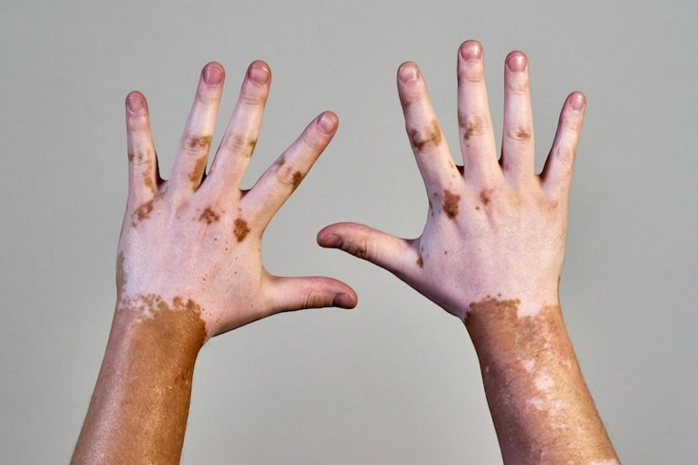
Vitiligo is a condition where melanocytes that make pigment are lost. This leaves white spots all over the skin. These changes affect people, so knowing treatments is vital for management.
Repigmentation means the affected skin slowly gets its natural color back. People experience this process differently based on age, disease speed, and response. Patients stick to plans better when understanding patterns and set goals.
Experts stress that repigmentation happens slowly, not at once but in stages. Watching these stages helps assess treatments and ensures changes fit skin’s response.
How Homeopathy Approaches Vitiligo Treatment
Homeopathy treats vitiligo by looking at causes as well as symptoms. Its goal is to balance immune responses, causing pigment loss and healing faster.
Homeopathy considers emotional, genetic, and environmental triggers, unlike conventional treatments. Doctors use this to make treatments fit caregiving lifestyles.
Homeopathy is popular in India as it avoids surgery, basically. This focuses on slow healing, so it works long-term without causing side effects with homeopathy vitiligo treatment in India.
Understanding Early Repigmentation Signs
Early repigmentation signs are subtle and easy to miss without attention. Dotted spots may actually appear within white areas. Melanocytes activated means healing, you know, has begun already.
First changes often happen near follicles or patch edges, basically. Dots’ size changes over time, slowly bringing skin color back. This phase needs patience as progress seems slow.
Specialists advise patients to observe signs regularly for progress. Making sure that changes are properly recorded helps doctors figure out how well the treatment is working and allows for changes to be made to make it work better and keep the improvement going.
Patterns of Repigmentation Observed in Patients
Repigmentation doesn’t happen in the same way on every part of the skin. Patterns differ for people based on skin and treatment response. Noticing patterns helps guess outcomes and makes therapy better.
Common patterns include follicle repigmentation and diffuse pigmentation spread. Each pattern reflects how melanocytes recover and spread well.
Knowing differences helps doctors improve their treatment plans. Patients feel reassured that uneven pigmentation is normal, like during healing.
Factors Influencing Repigmentation Success
Repigmentation results for vitiligo depend on different factors. These affect how fast consistency and pigmentation actually return while planning treatment.
- Age and health condition in general
- How long and how bad is vitiligo
- where the affected skin areas are
- Being consistent in following treatment plans
Patients working with specialists can actually get better treatment results. Taking time earlier seems to lead to better results and repigmentation.
Role of Immune System in Skin Recovery
The immune system is important for both causing and improving vitiligo. Overactive immune systems attack melanocytes, causing white spots and loss of color.
Homeopathy seems to fix the immune imbalance, actually instead of worsening it. Balancing the body helps melanocytes grow naturally and encourages repigmentation.
Balanced approaches help prevent issues and ensure lasting natural skin color. Keeping results means the immune system needs stability over a long time.
Importance of Consistency in Treatment
Consistency is the most important thing for good, successful results. Not following therapy or often changing it slows and delays skin lightening.
Patients should follow the given treatments carefully and keep all their appointments. Monitoring progress quickly ensures better treatment plans and needed changes.
Vitiligo specialists actually stress that slow improvement signs are good. Following treatment builds confidence, and the benefits actually stay longer.
Psychological Impact and Emotional Support
Vitiligo harms mental health, lowering self-confidence and social health, basically. Emotional stress speeds up disease, so mental health care matters, actually.
Homeopathy cures both physical and mental problems, basically. It helps mental and physical healing, considering anxiety and lifestyle habits.
A supportive place with open communication actually helps patients. This approach improves life quality and promotes steady repigmentation progress, actually.
Areas of the Body and Response Variation
Treatment for vitiligo works in different ways on different parts of the body. Face and scalp repigment more quickly than hands and feet, actually.
Hair follicles have melanocyte reservoirs important for pigment, but actually unclear. Patients can be more patient when some areas respond more slowly when they know this.
Specialists help patients learn realistic progress timelines for affected areas. It keeps people from worrying much when treatment progress differs.
Integrating Lifestyle Changes with Treatment
Lifestyle helps vitiligo treatment and works better for repigmentation. Healthy habits make immunity stronger and help treatments work better.
- A balanced diet with vitamins and minerals matters, actually.
- Relaxing better helps manage stress, basically.
- Sleep enough and exercise regularly can help with vitiligo.
- Stay away from triggers worsening symptoms, actually.
These changes in medical care create a good healing space. People living holistic lives see skin get better and last longer.
Choosing the Right Specialist for Care
Finding a good doctor is very important to managing vitiligo. Skilled professionals know the condition well and make unique treatment plans.
Vitiligo patients go to Bangalore for expert professionals and the latest treatments. Choosing a skilled specialist ensures diagnosis, monitoring, and the best treatment outcomes in vitiligo treatment in bangalore.
Qualified specialists help you trust, believe, and stay confident during treatment. Patients get specific advice leading to better repigmentation results lasting longer.