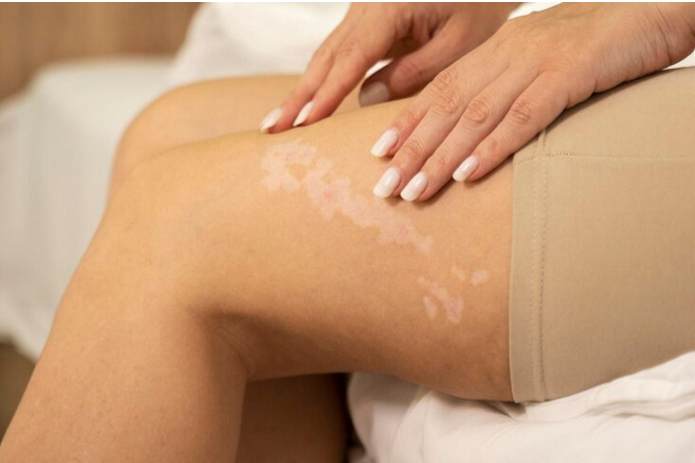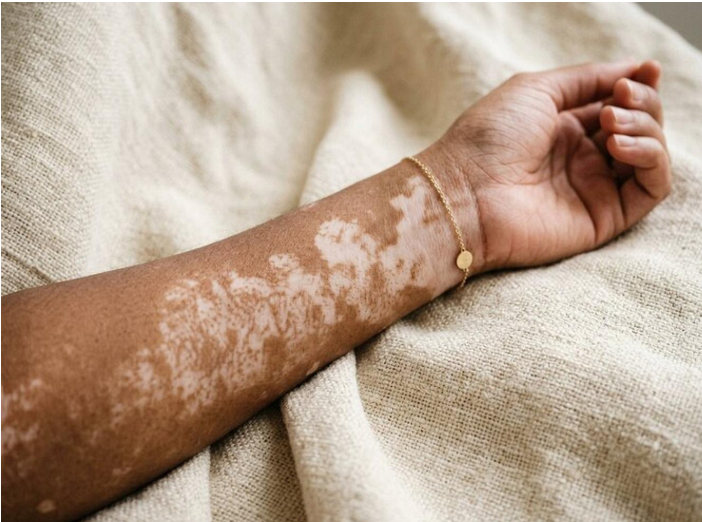
When vitiligo affects the way you look, feel, and make choices about your life, it can feel incredibly personal. Whether you are seeking complementary care for vitiligo, dermatology supported by another therapeutic lens, or something else entirely – we hope to help you find a plan you can believe in; one that holds space for tradition, entertainment value, and evidence-based care.
Getting to Know Vitiligo
Vitiligo occurs when pigment cells become destroyed by the body’s immune system. Over time, this can develop into lighter or white patches on the skin. For some people, vitiligo appears slowly over time and can be easily incorporated into your lifestyle. Others may find themselves suddenly developing patches that cause embarrassment or emotional distress.
No one solution will work for everyone. However, with accurate diagnosis, timely care, and customization based on skin type, location of patches, disease stability, and patient goals, we’ve learned that vitiligo responds best to treatment plans that are started early rather than promises of reversal.
Seeking Answers With Homeopathy
As with any condition, patients who pursue homeopathy for vitiligo may do so because they like how it sounds or they’ve tried other treatment options without feeling heard. Many also value the amount of time their provider takes to answer questions about triggers, stressors, sleep, diet, and family history.
- Some patients prefer the holistic approach to consultations.
- Others seek emotional support for coping with long-term symptoms.
- Some patients have tried conventional care with limited improvement.
- Many want to decrease anxiety or depression associated with changes in their skin.
- Others appreciate providers who can offer lifestyle advice alongside treatment options.
This desire for connection does not negate the importance of visiting a dermatologist or dermatology-informed doctor. But it can help you seek out care that speaks to your needs and feels actionable, realistic, and compatible with your daily routine.
Trusted Solutions Dermatology Can Provide
There are many therapies that dermatologists can offer vitiligo patients, including topical medications, light therapy, and tracking over time to gauge disease stability. The best course of treatment may depend on the areas affected by vitiligo and whether your patches are stable or rapidly spreading.
Additionally, your dermatologist can help rule out other causes of white patches as well as look for autoimmune conditions like thyroid disease. Determining the right diagnosis matters because two different types of pigment loss can look similar to the naked eye but respond to different therapies.
Homeopathy as Part of Your Treatment Plan
Homeopathy for vitiligo can be used as an addition to your care, but not as a replacement for established therapies. Applied in this way, you may see your dermatologist for regular follow-ups while also consulting with a homeopath for personalized emotional and physical support.
- Practitioners should be sure to communicate with each other to avoid confusing their patient.
- Keeping a close eye on patch size allows you to know if changes are significant.
- Homeopaths may be able to offer additional resources for stress management.
- Regular follow-up with your dermatologist will help manage expectations.
- It’s more important to be consistent with seeing the same homeopath than switching treatments frequently.
Whether you are looking for homeopathy treatment for vitiligo in Chennai or near your hometown, local access to holistic doctors can make the commitment to regular appointments more convenient. As with any complementary treatment, we recommend discussing your plans with your dermatologist first to ensure you don’t delay effective treatments.
Why Are My White Patches Here? Will They Go Away?
When white patches first develop or appear suddenly, patients often want to know why. While we can explain certain triggers of autoimmune responses that lead to pigment loss, every person and every case is different.
White patches may improve with treatment, but not always. Factors that can impact whether patches improve include where they’re located on the body. Patches on the face, for example, may improve faster than those on the hands or feet. This is because hair follicles on the face have been shown to be more dense.
Many people search for homeopathic medicine for white patches on their skin. Hope is good, but when patients pursue homeopathic treatment for vitiligo, it’s important that they receive support that doesn’t make unrealistic promises. Improvement is possible, but it may take time and several different therapies to see results.
Lip Involvement Requires Extra Care
Vitiligo on the lips can be particularly emotional for patients because it’s a very visible area on the face. Because of this, we tend to see patients who want best treatment for lip vitiligo as well.
As always, homeopathic care can be used in conjunction with traditional medical care. But it’s important to note that if you experience vitiligo on your lips, doctors will likely want to take a closer look to rule out irritation from cosmetics, sun damage, or other inflammatory conditions that can present as white patches.
Facts About Vitiligo and What Evidence Really Looks Like
Evidence-based care doesn’t mean every aspect of traditional practice should be thrown out. Rather, evidence-based medicine asks how something can be measured, replicated, and monitored over time in a responsible way.
When evaluating your treatment plan, look for objective improvements by measuring patches over time. A simple calendar or photograph taken during each visit can help you and your provider determine if what you’re doing is working.
Creating Your Ideal Care Plan
Care plans should always begin with confirmation of your diagnosis and discussion of what you hope to achieve in the skin. Do you want to slow the progression of vitiligo first? Or are you more concerned with areas that are already affected, like the face or lips?
- Begin with a thorough skin exam to confirm your diagnosis.
- Ask your provider which therapies have the most evidence behind them.
- If you’re interested in complementary care, discuss how that fits into your goals.
- Take consistent photos of the areas affected by vitiligo.
- Learn about side effects and potential outcomes for each treatment.
- Understand how often you’ll need to follow up with your provider.
Remember that the best care plans are ones that you can stick to! Whether you opt for traditional treatment plans only or support that with homeopathic care is up to you, your provider, and what you believe will be most effective. Communicating clearly about your expectations and knowing that vitiligo treatments take time will help you manage the emotional aspect of this skin condition.
Making Informed Decisions You’ll Feel Good About
When patients understand what questions to ask up front about safety, timing, and realistic outcomes, they’ll feel more empowered to find treatments they enjoy. A good provider should be able to teach you what can and can’t be promised when starting a new treatment.
Grounding your decisions in facts, possibilities, and time allows you to keep tradition and modern dermatology alive. This balance can help you stay hopeful while pursuing treatment options that allow you to live with vitiligo in the healthiest way possible.