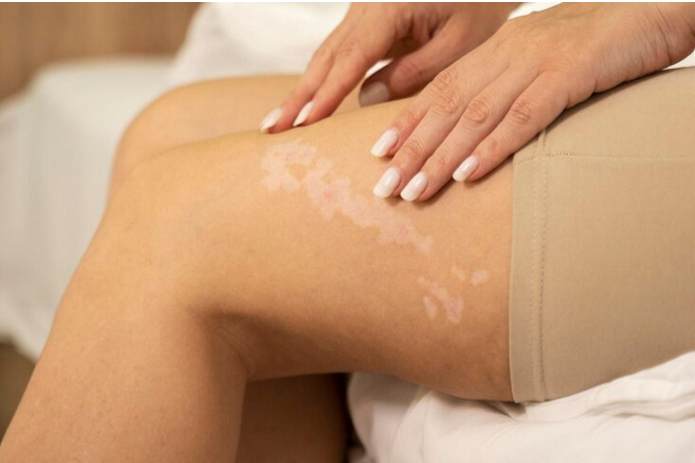
If you have autoimmune vitiligo, you know how unpredictable it can be. New patches seem to come out of nowhere at times. While researching your options, you may wonder if homeopathic medicine has something to offer. The short answer is maybe, but it depends on what you expect from treatment.
The Basics of Autoimmune Vitiligo
When melanocytes become damaged or die off, vitiligo appears. That is the basic mechanism behind vitiligo treatment. In autoimmune varieties, the immune system may be triggering melanocyte destruction.
Exactly how or why this occurs is unique to each person. There is nothing you did to cause vitiligo. You cannot catch it from someone else, and hygiene products do not cause the patches to spread.
Genetics plays a role, as does immune system activity. Stress and environmental triggers may also have an influence. Since vitiligo manifests differently in everyone, treatments should be tailored to your goals.
What Homeopathic Medicine Offers
Homeopathic medicine works by using highly diluted substances, with the theory that they can help restore balance in the body. You may see improvement in your symptoms over time if you pursue homeopathic remedies for vitiligo.
Individuals may seek homeopathic treatment for vitiligo to address the body as a whole instead of targeting only skin discoloration. Follow-up and close monitoring over time is typical for this type of therapy as well.
Homeopathy for skin vitiligo has not been scientifically proven to help restore pigment or calm immune system activity like other therapies can.
Vitiligo Specialist Approach Treatment
To start, vitiligo specialists will confirm your diagnosis and assess the stage of disease. Active lesions can appear different than older patches that have stopped changing.
Some patients are trying to prevent further progression, while others want to promote repigmentation. Both approaches are valid, and your goals should shape treatment from the beginning.
Options vary depending on where vitiligo is located and your motivation for seeking treatment. Topical therapies and phototherapy are common, as well as camouflage options.
Sun-damaged areas and lips can pose special challenges. If you have vitiligo on your lips, you may start researching the best treatment for lip vitiligo.
A thorough exam will include an inquiry about other medical conditions that can occur with vitiligo. Some related conditions include thyroid disease and Addison’s disease.
A vitiligo specialist will also help you create realistic expectations for your treatment plan. Improvement can take time so having reasonable expectations is key.
When Homeopathy Can Play a Role
Some patients prefer to add homeopathic medicine to the care they receive from a dermatologist or vitiligo specialist. When used this way, homeopathic treatments can complement standard care options.
- Homeopathic practices can offer personalized consultation.
- They may allow patients to feel more involved with their daily self-care routines.
- Homeopathy requires monitoring over time.
Homeopathy should not be used in place of traditional therapies. Nor should it delay you from getting an evaluation by a dermatologist if you notice new or rapidly changing patches.
If you choose to use homeopathic remedies, discuss them with your doctor first. Some remedies can interact with other medicines you take or affect your body in unexpected ways.
- Stay cautious when using homeopathy and know that the promise of clear skin is unrealistic.
The Importance of Early Evaluation
Early intervention can play a critical role in preventing further pigment loss. During active phases of the disease, vitiligo can progress rapidly.
Seeing your dermatologist soon after noticing new patches can help them identify what is new versus old. If you wait too long to establish care, it can be harder to tell.
Patients with vitiligo on the lips or surrounding mouth area often research how to treat lip vitiligo first. These areas are tricky to manage, so seeing a specialist soon after noticing changes is wise.
Early intervention also prevents you from trying multiple unproven treatments by yourself. The longer you wait to start treatment, the more opportunities for pigment loss you may face.
Questions to Ask Your Doctor
As with any new treatment, you should ask questions before starting a course of homeopathic medicine. How will we know if the treatment is working? This question should be answered before starting so you are not left wondering for months down the road.
- How will we differentiate between active and stable lesions?
- How often will you reevaluate my treatment plan?
- Is there anything I can do on my own to improve my skin’s appearance?
- What should I do if new patches appear?
- Will I still need to see a dermatologist?
- Can I combine this treatment with other therapies?
Having a plan with clear expectations allows for reevaluation down the road. You do not want to go several months before discussing your homeopathic treatment with a dermatologist.
Homeopathy Should Not Fuel False Hope
The biggest reason expectations should be managed from the start is that vitiligo does not usually respond to treatment immediately. Many therapies must be repeated consistently over time.
Once you have realistic expectations, you can decide if homeopathic medicine is right for you. If you know it is unlikely to restore your pigment but helps you feel better overall, that is ok.
If homeopathy allows you to focus on other treatment while following a healthier lifestyle, there is benefit. Stress, sun damage, quality sleep, and sunscreen are all important factors to consider.
When you have a clear idea of what to expect from treatment, you can make informed decisions. It also allows you to honestly evaluate homeopathic medicine and decide if it’s worth trying.
Tips for Knowing It’s Time to Make a Change
If new patches continue to appear or you feel like your rash is spreading, it may be time to change course. Even if you have been following your treatment plan consistently, change can be necessary.
Consult your dermatologist or vitiligo specialist if you have tried homeopathic remedies with no success. They can determine if the disease is active and propose alternative treatments.
Homeopathic medicine can play a role in the treatment of autoimmune vitiligo for some patients. As long as you enter into treatment with your eyes open, you can make an informed decision.