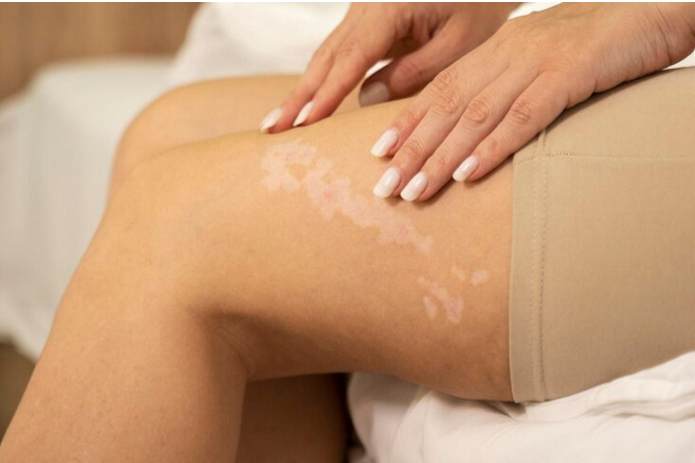
Skin health impacts more than appearance. Living with vitiligo also influences confidence, comfort in social situations, and day-to-day decisions. That’s why many patients are asking for integrative care that includes both medical attention and gentler support.
Vitiligo Is More Than Skin Deep
Vitiligo occurs when melanocytes, the cells that produce pigment in skin, malfunction or die. Patients develop smooth, white patches that can appear anywhere on the body. Dermatologists tend to treat vitiligo as it appears, but because there is no set pattern, building a treatment plan can take longer than looking at a photo.
VT specialists look at extent, family history, triggers (stress, sun exposure), and more. Patients often hear it’s important to find a specialist who understands active versus stable disease. Knowing all these things might help patients understand why vitiligo care can take patience and personalization.
Patients Choose Integrative Care for Many Reasons
Patients aren’t alone in wanting support that addresses more than skin symptoms. Holistic or integrative medicine aims to balance traditional dermatology with complementary therapies, so patients have multiple options without sacrificing medical oversight.
- Allows patients to pursue individualized treatments
- Gives patients the freedom to try complementary options alongside dermatologic therapies
- Can help patients feel connected to advice about stress, sleep, diet, and daily skincare
- Encourages patience and routine follow-up appointments
- Helps patients feel more comfortable communicating preferences and concerns.
Patients and families often describe integrative vitiligo care as feeling collaborative rather than fragmented. When care teams help patients develop realistic expectations, they can stay committed to care instead of giving up if quick results don’t appear.
Goals of Homeopathic Medicine for Vitiligo
Homeopathic medicine for vitiligo is usually selected by patients who want individualized remedies tailored to their symptoms, constitution, and overall pattern of health.
Homeopathy focuses on restoring internal balance and treating patients as a whole, which may be why many patients seek this complementary therapy along with dermatology advice.
Homeopathy has less research supporting effectiveness than many traditional dermatologic therapies. For this reason, patients should never skip medical evaluation for new patches of vitiligo, especially if they are growing rapidly or appear on the face.
Your Vitiligo Specialist Can Help
Your dermatologist will confirm your diagnosis before building a customized treatment plan. Specialists may use tools to examine patches, take photos over time, and ask about treatments you’ve tried before. Tracking your progression over time helps your dermatologist understand if a treatment is working or needs adjustment.
- Reviewing for autoimmune associations or thyroid issues
- Inquiring about medications, both prescription and OTC
- Advising on photoprotection to decrease contrast and skin irritation
- Recommending realistic treatment timelines for repigmentation
- Examining sites prone to irritation such as the lips and eyelids
Patients looking for the best vitiligo specialist in India should feel empowered to seek both expertise and good communication. Trust is important in any doctor-patient relationship, but vitiligo treatments require both you and your clinician to know the goals, limitations, and expected follow-up from the beginning.
Lip Vitiligo and Its Unique Challenges
Vitiligo on the lips is unique because it shows when patients speak or smile. Skin on the lips is thinner and more delicate than on the remainder of the body, so treatment plans should account for sensitivity and motion.
Treatment for lip vitiligo is based on stability, residual pigment, and irritation. Oftentimes therapies are chosen very carefully to protect the sensitive nature of the lip area and prevent worsening dryness or discomfort.
Questions to Ask When Comparing Treatment Options
Conventionally, patients may be offered topical medications, light therapy, camouflage products, or skin grafting surgery in select cases. Both topical and light therapy for vitiligo have stronger bodies of evidence than most homeopathic remedies, especially when performed by trained experts with regular follow-up care.
Many patients find complementary care answers the emotional and practical questions they have about living with vitiligo. When paired with conventional treatments or skincare routines, patients:
- Have access to stronger clinical evidence
- May enjoy greater satisfaction with their care
- Can feel less helpless in the face of unpredictable disease
- Are monitored by specialists to ensure false hope doesn’t replace productive action
- Have personal values as the foundation for treatment discussions.
At the end of the day, the best treatment plan is one that you can follow. If a treatment option is too difficult to access, expensive, or overwhelming to maintain, its benefit is lost.
Beginning the Conversation With Your Specialist
What are your goals for treatment? How will you know if treatment is working?
These are the types of questions patients should consider before starting any new treatment. Your specialist should be able to explain how success will be measured and provide a timeline for expected improvements. Having clear answers now can prevent frustration later and allows you to weigh options against each other.
Does this remedy apply to my type of vitiligo? Is my vitiligo stable or active?
Different treatments work best for stable skin versus active vitiligo. Patients should ask their specialist if recommended treatments are appropriate for their type of vitiligo before starting something new. The right questions can empower you to make decisions that feel right for you and your condition.
Integrative Care Means Follow-up for Life
The work isn’t done after your first appointment or first round of medication. Integrative care and regular follow-up visits allow your specialist to catch small changes before they turn into problems. Follow-up visits also give you the opportunity to share concerns about side effects, emotional stressors, costs, or other elements of your treatment that feel overwhelming.
Trust and confidence return with time and consistent care. This is especially true for chronic conditions like vitiligo that impact your identity as much as your skin. Remember: integrative vitiligo care works best when you find clinicians who respect the science, listen to you, and adapt treatments as your life changes.