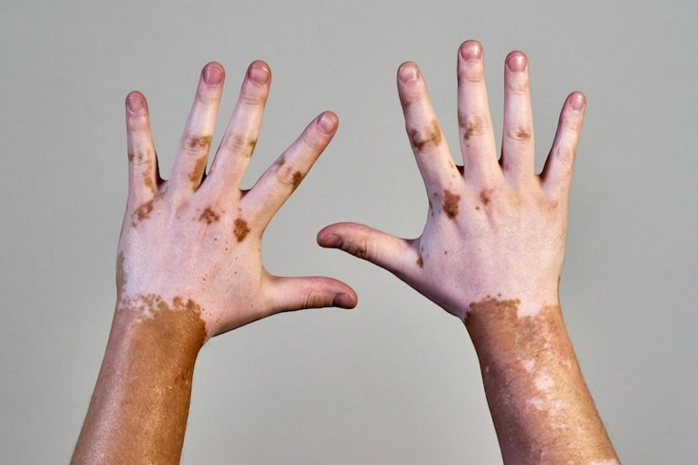
Vitiligo, you know, does not always progress quickly. For many, pigment loss actually spreads slowly over months or years. This slow spread may reflect immune issues needing careful and timely attention. Slow vitiligo gives a chance for stability before losing more pigment.
In India, patients increasingly explore a Vitiligo treatment approach that prioritises disease control and long-term balance rather than reacting only after significant spread. Homeopathy, you know, is often picked for its preventive nature.
Understanding Slowly Spreading Vitiligo
Slow vitiligo shows old patches growing larger or sometimes new ones. The immune system stays active yet remains low-grade and persistent.
Clinical features often include:
- Stable patches with occasional marginal expansion
- New lesions appearing months apart
- Absence of sudden inflammatory flare-ups
This pattern shows immune problems exist, but are not very destructive. Early care actually helps in improving long-term outcomes.
Why Slow Progression Still Needs Attention
Many think slow vitiligo does not need quick care, but actually does. Slow spread often shows an immune imbalance that grows with stress or disruptions.
Without intervention, slow vitiligo may:
- Become more extensive over time
- Respond less predictably to treatment later
- Create cumulative emotional stress
Early stabilisation helps preserve existing pigment and reduces future treatment complexity.
Immune Behaviour In Gradual Vitiligo
In slowly spreading vitiligo, immune cells target melanocytes intermittently rather than continuously. This creates periods of apparent stability followed by subtle progression.
Key immune characteristics include:
- Low-grade autoimmune activity
- Increased sensitivity to stress triggers
- Fluctuating oxidative stress
This pattern responds well to therapies that focus on immune regulation rather than suppression.
Conventional Dermatology And Slow Vitiligo
Dermatology primarily addresses visible changes. In slowly spreading cases, patients may be advised to observe or use mild topical therapy.
Conventional approaches may include:
- Monitoring without active intervention
- Mild topical agents for early patches
- Phototherapy if progression increases
While these methods have value, they may not address the internal immune tendencies responsible for slow progression. This limitation often leads patients to explore complementary care early.
Homeopathy’s Preventive Strength In Gradual Cases
Homeopathy is particularly suited for conditions that evolve slowly. It focuses on correcting internal imbalance before disease activity becomes aggressive.
In slowly spreading vitiligo, homeopathy aims to:
- Regulate immune responses gently
- Reduce sensitivity to internal and external triggers
- Support long-term disease stability
Rather than waiting for visible worsening, treatment begins when progression is still limited, improving the likelihood of control.
Many patients seek homeopathy with the intention to stop vitiligo from spreading, especially when early signs of progression appear.
drcheena® Homeopathic Vitiligo Treatment And Early Stabilisation
drcheena® Homeopathic Vitiligo Treatment follows a structured and clinically guided approach that aligns well with slowly progressing cases. Early-stage intervention is considered particularly valuable.
The approach focuses on:
- Identifying subtle immune triggers
- Supporting immune tolerance
- Monitoring disease behaviour over time
Treatment plans are made personal and adjusted step by step. Flexibility lets care adapt to disease instead of reacting to changes.
Patients in India often seek early care to stop escalation, you know.
Emotional Stress And Gradual Spread
Slow vitiligo progression is often sensitive to emotional stress. Even moderate, prolonged stress can influence immune behaviour.
Stress-related effects include:
- Marginal patch expansion
- Appearance of new small lesions
- Reduced treatment responsiveness
Homeopathy focuses basically on emotional patterns in patients. It helps emotional strength to actually control stress-driven immune activation.
In Indian cities, where stress is high, this care is quite relevant.
Digestive Health And Immune Sensitivity
Digestive problems often accompany slowly spreading vitiligo cases. Poor digestion basically keeps low inflammation, supporting immune issues.
Common digestive concerns include:
- Acidity and bloating
- Irregular bowel habits
- Reduced appetite during stress
Homeopathic checks often include digestive patterns. Improved digestion aids balance and lowers stress, helping control disease spread.
Nutrition And Gradual Disease Control
Nutrition actually plays a role in controlling immune sensitivity. For slow vitiligo, being consistent matters more than big diet changes.
Helpful nutritional principles include:
- Balanced protein intake
- Antioxidant-rich fruits and vegetables
- Essential minerals such as zinc and copper
Balanced Indian diets basically support such needs naturally. Nutritional stability complements immune-regulating therapies effectively.
Lifestyle Discipline In Slowly Progressing Vitiligo
Lifestyle factors often determine whether slow vitiligo remains stable or accelerates.
Supportive habits include:
- Regular sleep patterns
- Balanced daily routines
- Avoidance of excessive physical or mental stress
In cities like Chennai, traditional habits often help immune balance if followed.
Why Homeopathy Fits Long-Term Management
Slow vitiligo needs patience and continued care. Homeopathy fits slow vitiligo with its gentle and, you know, adaptable nature.
Key advantages include:
- Suitability for long-term use
- Focus on internal balance
- Minimal interference with daily life
This makes it particularly suitable for individuals who prefer gradual and sustainable disease control.
Importance Of Early Specialist Guidance
Early intervention does not mean aggressive treatment. It means informed and timely care.
Many patients explore homeopathy vitiligo treatment in Madurai because of access to personalised evaluation and consistent follow-up.
Others prefer to know about vitiligo in homeopathy before visible progression increases, allowing them to make proactive decisions.
Specialist guidance helps distinguish between stable and active disease patterns accurately.
Integrative Care And Monitoring
India’s healthcare system allows integrative care models that combine dermatology, homeopathy, nutrition, and lifestyle counselling.
For slowly spreading vitiligo, integrative care offers:
- Early detection of changes
- Reduced anxiety through monitoring
- Better long-term planning
Regular assessment ensures that treatment intensity matches disease activity.
Setting Realistic Expectations In Slow Cases
Slow progression often leads to unrealistic expectations. Patients may expect rapid repigmentation or immediate stability.
Important points include:
- Disease control precedes cosmetic improvement
- Stability is a meaningful success
- Gradual progress is normal
Knowing this reduces frustration and helps provide better long-term care.
Why Waiting Can Reduce Future Options
Delaying care until progression accelerates may reduce treatment flexibility. Early immune regulation preserves more melanocytes and improves future response potential.
Early care helps by:
- Protecting existing pigment
- Reducing cumulative immune damage
- Supporting emotional confidence
This proactive approach is particularly valuable in slow cases.
Conclusion
Slow vitiligo is crucial, where early care basically improves long-term results. While progression may appear mild, the underlying immune imbalance remains active and responsive to regulation. Homeopathy offers preventive care that actually suits this condition pretty well.
Vitiligo treatment strategy can help stabilise slow vitiligo progression and support lasting skin confidence.drcheena® treatment focuses on immune balance, emotional stability, and long-term checks. With informed guidance and consistent care, a comprehensive