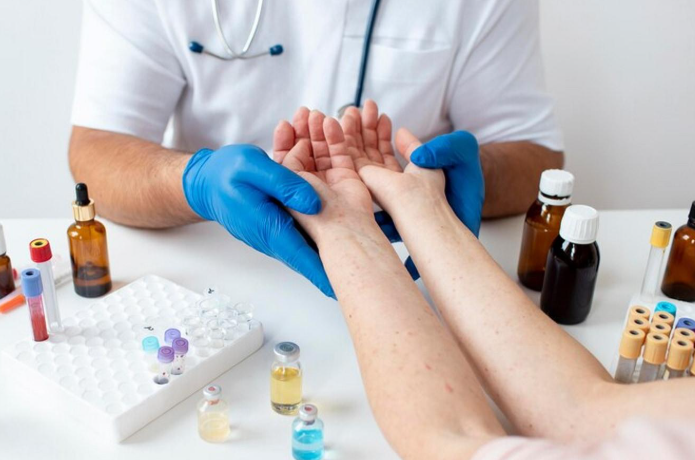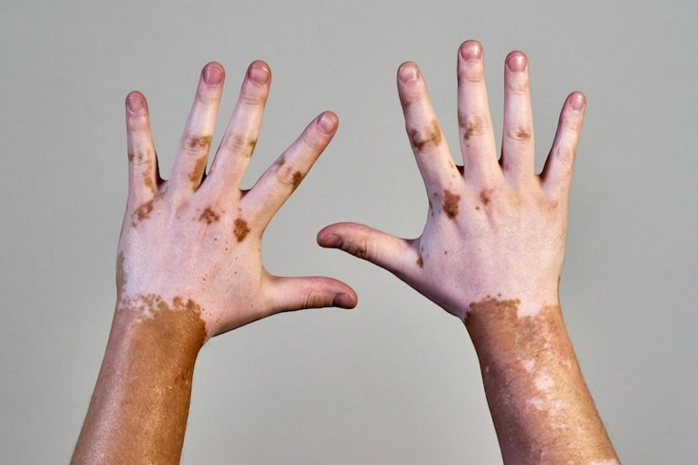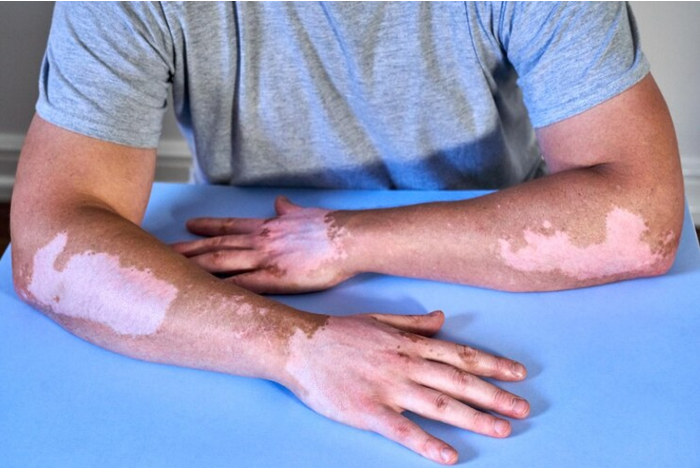
Vitiligo is a long-term disease where melanocytes break down skin color. White spots appear on the body, and it gets worse suddenly. Doctors need to check vitiligo carefully and manage it for years.
This illness is not contagious, but it affects mental health big time. People with vitiligo look for ways to treat symptoms and immune issues.
To understand vitiligo, you check the type, location, and activity. This helps doctors create treatment plans for patients based on their health.
The Clinical Importance of Early Assessment
Early checks are important for knowing how vitiligo will change. Doctors plan treatments to stop the spread and return skin color earlier.
Waiting for a diagnosis worsens the skin and makes treatment really tough. Early action stabilizes vitiligo and stops it from worsening fast.
Careful checks help find triggers and factors playing a big role. This ensures treatments, both reactive and proactive, improve long-term outcomes.
Role of Homeopathy in Clinical Protocols
Homeopathy is a strict plan to deal with vitiligo health treatments. It restores balance instead of masking symptoms for long-term autoimmune care.
The treatment focuses on picking medicine for each patient based on traits. This approach actually makes therapy work better and helps people improve.
People with vitiligo often go to the best vitiligo specialist in India to get integrated care that combines clinical expertise with holistic homeopathic principles to help them better handle their condition.
Principles of Individualized Homeopathic Care
Individualization actually is one key idea in homeopathic medicine. Treating each patient as an individual with symptoms and lifestyle is key.
This method considers that vitiligo appears differently in each person. Even patches that look the same could have different causes that need different treatment plans.
Focusing on the person instead of just the disease, homeopathy increases the chances of long-lasting results and better health in general while the skin heals.
Understanding Vitiligo Treatment Without Side Effects
One of the best things about homeopathy is that it focuses on treating vitiligo without any side effects. Remedies encourage healing gently with really minimal active ingredients.
Because of this, homeopathy works for a long time for conditions like vitiligo. Patients keep getting treatment without the usual worries from traditional therapies.
The goal is to restore balance, not hide symptoms. This method helps make the process of effectively managing vitiligo safer and more long-lasting.
Clinical Case Taking and Evaluation Process
Case taking in homeopathy is a detailed and organized process that is the basis of treatment plans. Practitioners get a lot of information about a patient’s health history, daily life, and mental health.
This test helps find patterns and triggers that might affect how quickly vitiligo gets worse. It also gives information about the patient’s overall health, which lets treatment be more comprehensive.
Correct case analysis makes sure that the right remedies are chosen. Accuracy basically makes treatment effective with better long-term outcomes.
Key Clinical Factors Considered in Treatment
Multiple factors that affect the onset and progression of vitiligo must be looked at in a full clinical evaluation. This all-around approach makes sure that treatment plans get to the root of the problem.
- Understanding how the immune system works and its response matters.
- Mental health and emotional stress are important too.
- eating habits and not getting enough nutrients
- Exposures in the workplace and in the environment
Practitioners create better plans by focusing on these things carefully. This method helps manage symptoms and keeps the condition steady over time.
Monitoring Treatment Progress Clinically
Monitoring is basically a key part of vitiligo treatment. Follow-ups track pigmentation changes and adjust treatments for reactions.
This process ensures treatment matches how the condition changes over time. It also helps find early signs of progress or improvement.
Monitoring someone regularly makes therapy work better. It gives peace of mind and a clear treatment path, encouraging plan adherence.
Integrating Lifestyle Measures with Treatment
Changing how you live your life can help with the treatment of vitiligo. These steps remove triggers and improve the environment so treatment works better.
- A healthy, balanced diet actually needs to be maintained.
- Using techniques to deal with stress
- Staying away from harsh chemicals and irritants
- Making sure you get enough sleep and water
These changes help things go better when they are combined with homeopathic care. Disciplined life makes the body respond well to treatment more easily.
Psychological Considerations in Clinical Care
Vitiligo affects mental health, so support is vital to clinical care. Skin changes can cause anxiety, low self-esteem, or social awkwardness.
Solving these needs requires compassion and considering the whole picture well. Counseling and support help people handle emotional problems related to the condition.
Stable emotions improve the immune system and better body response to treatment. Including psychological care in treatment plans makes the whole process more effective and improves the patient’s health.
Long Term Management and Prevention
Managing vitiligo needs long-term focus on stability and preventing its return. Key parts include consistent treatment and lifestyle changes.
Avoiding disease triggers is part of prevention strategies. Regular checks find changes early for quick fixes.
Patients sticking to treatment usually have better outcomes. Long-term care keeps skin healthy and basically makes sure it lasts.
Educating Patients About Homeopathic Care
Educating patients is an important part of treatment that works. Homeopathy basics help people stay involved and informed in care.
Encouraging patients to know about vitiligo in homeopathy empowers them to make confident decisions about their treatment and lifestyle. Awareness leads to better compliance and just more realistic goals.
A patient knowing what is happening is more likely to do well. Education builds doctor and patient bond, which helps with vitiligo management.