Vitiligo is a skin disorder causing issues for people of any age. Learning causes and symptoms is basically important for parents. Exploring drcheena treatments offers safe, effective child solutions.
Understanding Vitiligo: An Overview
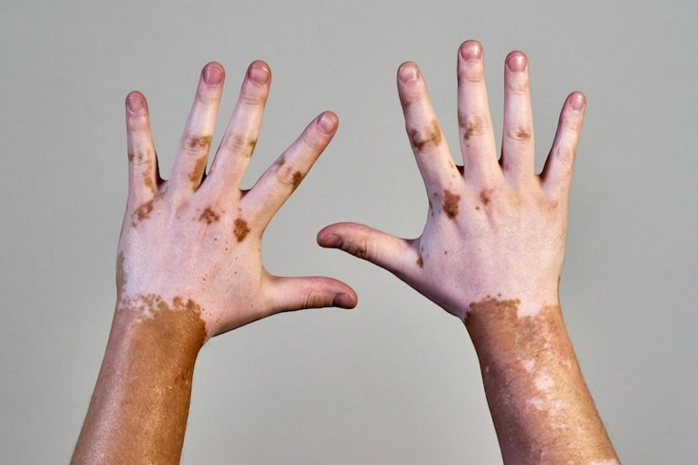
Vitiligo is a skin condition causing pale white patches from pigment loss. This condition is not contagious but actually affects kids in many ways. Patches show on the face, hands, and around joints. It is mostly harmless, but it actually causes emotional concerns. Untreated vitiligo worsens over time. Treatments stop vitiligo spread and restore pigmentation. Drcheena treatments gain fame for safe, child-friendly care.
What Causes Vitiligo in Children?
Vitiligo occurs when pigment-producing melanocytes are actually destroyed. Triggers include genetic and environmental factors. Autoimmune issues also seem to play a big role. Family history puts children at higher risk for vitiligo.
Stress or injuries worsen vitiligo, but proof is basically lacking. Well, ongoing research explores further causes. Consulting the best vitiligo specialist in India helps find triggers for every child.
Common Symptoms of Vitiligo in Children
Parents should watch for certain symptoms to identify vitiligo early. The condition often presents visible and progressive changes on a child’s skin, such as:
- Pale Patches on Skin: Small white patches form and then expand.
- Changes to Hair Color: Hair may turn white or gray in spots, especially around affected areas.
- Sensitivity to Sun: Depigmented skin becomes more sensitive and prone to burns.
- Symmetry: These patches often develop symmetrically on both sides of the body.
- Areas Most Affected: Commonly noticed on hands, knees, neck, or face.
Early detection helps stop pigment loss and makes treatment better.
How is Vitiligo Diagnosed in Young Patients?
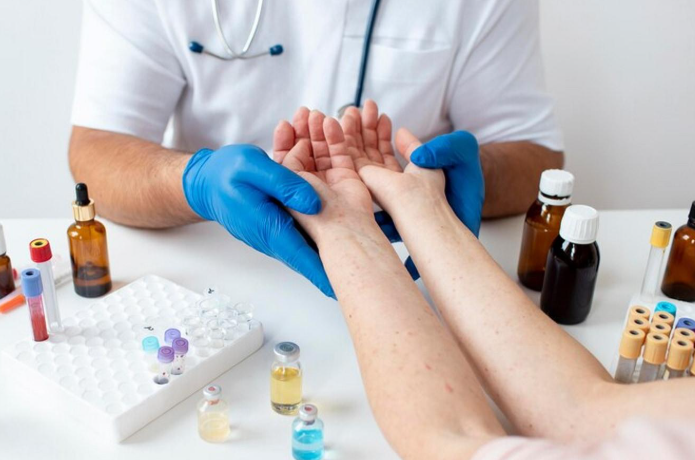
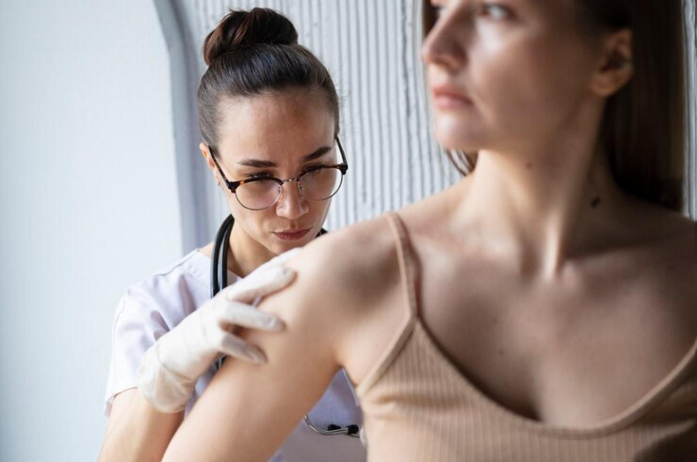
Vitiligo diagnosis needs proper care by experienced doctors. Pediatric doctors usually take a detailed medical history first. A physical examination follows to inspect the skin closely. Some cases use UV light to confirm hypopigmentation. Doctors sometimes suggest tests or biopsies to find other triggers. Parents should seek a diagnosis early from specialists like Laxmivitiligocentre.
The Emotional and Social Impact of Vitiligo on Children
Vitiligo is especially distressing for children. White skin patches make kids feel very self-conscious. Social activities like school or playground challenges arise.
Peer stares and talking lowers kids’ confidence, you know. Parents must help children stay emotionally strong. Counseling basically helps kids struggle less and cope better. Home treatments and professional help can help improve their confidence.
Introduction to Homeopathy for Treating Vitiligo
Homeopathy uses natural remedies that are gentle for kids. Unlike harsh treatments, homeopathy works on vitiligo. Drcheena treatment offers children safe, effective care with no side effects. They aim to improve immune balance and promote pigment regeneration.
This method manages vitiligo long-term no invasive procedures. Parents prefer homeopathy as a safe option for children. Early homeopathy intervention actually helps stop vitiligo progression.
Benefits of Homeopathy for Children’s Skin Conditions
Parents choose homeopathy for natural and side-effect-free care. drcheena® Homeopathic Vitiligo Treatment, in particular, offers targeted solutions aimed at young patients. Benefits of such treatments for children include:
- Child-Safe Ingredients: Gentle remedies actually without chemicals, are used.
- Immune Balance: It supports correcting immune-related vitiligo issues naturally.
- Non-invasive Care: It actually avoids laser surgeries or injections.
- Adaptable Treatments: Treatments are actually personalized for each child’s symptoms.
- Holistic Healing: Treats underlying physical and emotional causes for lasting results.
Treatment ensures a smooth no stress alongside healthy habits.
Safe Homeopathic Remedies for Vitiligo in Kids
Homeopathic therapy has numerous remedies, tailored specifically for young ones:
- Calcarea Carbonica: Given to children prone to excessive skin sensitivity.
- Silicea: Helps kids when anxiety triggers vitiligo patches.
- Sulphur: Improves wide patches while reducing red irritation.
- Phosphorus: Helps if depigmentation occurs rapidly across exposed areas.
- Arsenicum Album: Aids in cases of autoimmune-like triggers behind vitiligo.
Specialists like Laxmivitiligocentre help ensure better treatment results.
Preventive Measures and Lifestyle Tips for Children with Vitiligo
Managing vitiligo is not always about treatment, as daily care matters:
- Sun Protection is Key: Always use sunscreen on sensitive depigmented skin areas.
- Avoid Skin Damage: Prevent injuries from worsening or actually causing new patches.
- Healthy Diets Can Help: Eat greens, fruits grains for boosting immunity.
- Stay Stress-Free: Children need fun, relaxing activities to actually manage stress.
- Positive Conversations: Kind affirmations improve children’s confidence in public spaces.
Including these tips supports ongoing treatment well.
What are the early signs of vitiligo in children?
Kids usually first get faint patches on the elbows, knees, or face. These patches grow slowly and may look symmetrical.
Can emotional stress lead to vitiligo in kids?
Stress worsens vitiligo cases, but, well, does not actually cause it. Counseling usually helps limit stress-related impacts well.
Are there any side effects of homeopathic treatment for vitiligo?
Drcheena® Homeopathic Vitiligo Treatment has no major side effects. Natural remedies work safely for children in long-term care.
How long does it take to see results with homeopathic remedies?
Results depend on several factors, like patch size and spread. While progress is slow, gradual improvements appear within months.
Parents play a key role in their child’s vitiligo journey, guiding them correctly. Expert doctors, including those at Laxmivitiligocentre, specialize in gentle and effective care solutions. Drcheena homeopathy works for kids with soft skin, addressing vitiligo holistically. Early diagnosis, treatment, and prevention improve kids’ long-term outcomes.