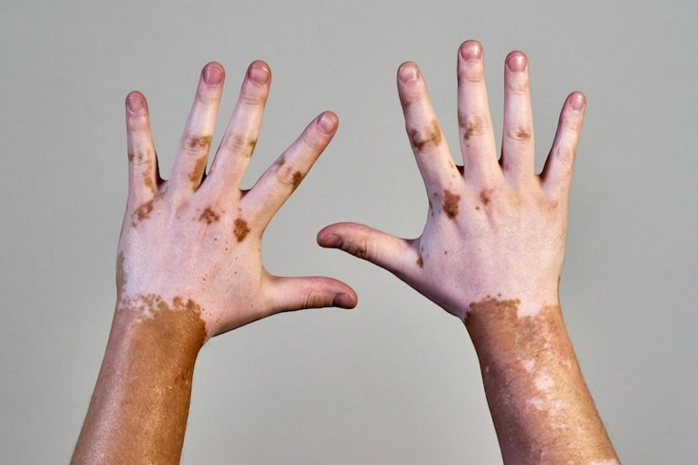
What Is Vitiligo and How Does It Affect the Skin?
Vitiligo causes the skin to lose color pigment, and white patches form. Melanin, which gives skin color, decreases in the affected parts. Skin looks whitish or lighter than the areas around because of it.
It stays localized or spreads all over the body, sometimes including the eyes. Vitiligo impacts all races, all ages, very differently, honestly. Social and emotional impacts are also common, given the visible nature of this condition.
Understanding the Causes Behind Vitiligo
Vitiligo is basically where skin patches lose pigment, resulting in lighter areas. This happens when melanocytes actually stop working or get destroyed, basically.
While the cause is unclear, research shows that the immune system attacks cells. Genetics, stress, and triggers, you know, might also play a role. Vitiligo is not contagious, but it affects confidence and health. Scientists study causes to improve treatments and understanding pigment loss.
The Role of Genetics in Vitiligo Development
Genetics has a big impact on whether someone gets vitiligo. Studies suggest it is linked to certain gene variations. Parents passing along susceptible genes increases the risk in children.
Not everyone with genetic links will get vitiligo. It can skip generations. Genes and environmental triggers might activate the condition, basically. Research aims to, well, find genes causing the disorder.
Environmental Triggers That May Worsen Vitiligo
Environmental factors can actually worsen vitiligo in genetically predisposed people. Too much sun damages melanocytes and makes depigmentation worse. Skin injuries, cuts burns, or friction can make white patches appear too well.
Stress, emotional and physical, speeds up immune responses and pigment loss. Exposure to chemicals in hair dyes and products might trigger vitiligo. Managing triggers well can help reduce flare-ups and protect skin health.
How Immune System Malfunction Contributes to Skin Pigment Loss
An overactive immune system attacks melanocytes by confusing healthy cells like invaders. Immune response kills pigment cells, causing patches of white skin.
Autoimmune diseases like diabetes are linked to vitiligo, you know. Managing associated immune disorders can slow its progression. Treatments for immune imbalance are basically essential for vitiligo.
Current Scientific Theories on Vitiligo
Theories explaining vitiligo focus on cellular and, well, molecular levels. Research explores ideas for, you know, future breakthroughs.
- Oxidative stress theory: Harmful molecules damage melanocytes, causing pigment issues.
- Neurogenic factors: Nerve chemicals, well, might harm pigment cells.
- Autoimmunity hypothesis: The Body attacks its pigment cells due to the immune system’s mistakes.
- Multifactorial causes: Experts say genetic, immune, and environmental factors work together basically.
Scientists combine theories to enhance treatment for, you know, solutions.
Signs and Symptoms of Vitiligo
Vitiligo symptoms vary, but the most common is discoloration, actually. Recognizing early signs helps patients start treatments like quickly.
- Skin discoloration: White or light patches often show on the hands and face.
- Hair depigmentation: Losing color in scalp, eyebrows, or body hair is common.
- Mucous membranes: Discoloration affects areas like, you know, the mouth or nose.
- Symmetrical patterns: Patches appear symmetrically, well, in usual generalized vitiligo cases.
- Rapid spreading: Patches grow quickly over weeks and months for some, actually.
People recognizing signs seek options like, you know, homeopathy help.
How Vitiligo Differs From Other Skin Conditions
Learning vitiligo differences from eczema reduces confusion during diagnosis. Vitiligo is only pigment loss, unlike dryness in other skin issues.
Patch feels normal with, you know, no peeling or redness. The main symptom is pigment loss caused by melanocytes dying, not inflammation. Learning differences ensure, well, early diagnosis and proper care.
Treatment Options Available for Vitiligo
Vitiligo products and treatments depend on patient needs and preferences, basically. There is no cure, but management minimizes vitiligo appearance quite well.
- Topical treatments: Creams like corticosteroids improve pigmentation, you know, in affected areas.
- Laser therapy: Excimer lasers’ light therapy helps boost pigment production.
- Surgical options: Skin grafting or transplant provide solutions for localized vitiligo patches.
- Homeopathy: drcheena treatment is natural and popular with minimal, well, side effects.
- Lifestyle management: Sunscreen and stress relief, basically, prevent worsening vitiligo symptoms.
Consulting professionals at centers such as Laxmivitiligocentre ensures advanced and comprehensive care in cities like vitiligo treatment in Madurai.
What is the primary cause of vitiligo?
The exact cause is still not fully understood, actually. Experts believe genetic and immune factors trigger, you know, vitiligo development.
How does vitiligo affect different skin tones?
Vitiligo shows more on dark skin because of the patch and skin color contrast. Vitiligo severity affects all tones equally.
Are there any known environmental factors linked to vitiligo?
Yes, sunburn and stress worsen vitiligo symptoms often, you know. Triggers act as catalysts activating risks linked to, well, genetics.
Can vitiligo be completely cured with current treatments?
No vitiligo cure is available currently. Effective treatments like drcheena and other therapies help improve pigment restoration and management significantly.
People with vitiligo benefit from exploring the best vitiligo treatment in India offered by experienced professionals. Vitiligo living is tough, but care and awareness actually help overall. Getting help at top centers like Madurai Laxmivitiligocentre improves life greatly.