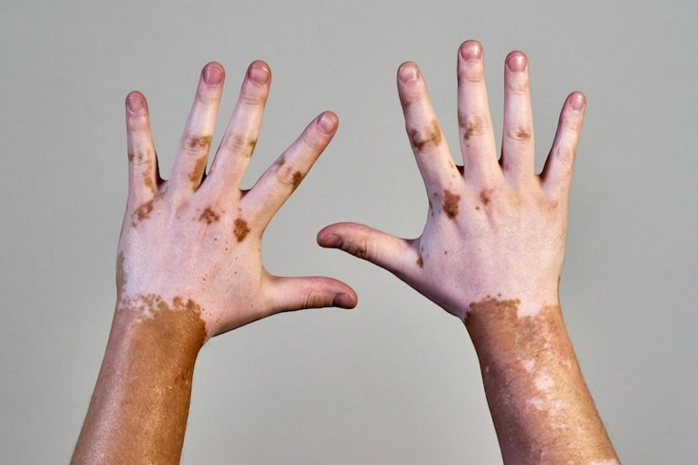
Autoimmune factors play a role in vitiligo you know. Many have immune systems that mistakenly target melanocytes over time, causing changes in skin pigmentation.
Vitiligo is no longer studied as merely a cosmetic condition; researchers now recognize it as an autoimmune condition. Lesion development and pigment loss may be chronically affected by immune responses and inflammatory mediators.
Patients may have lesions that grow slowly for years. Others may suddenly lose pigmentation due to illness, stress, hormonal fluctuations, or anything that can trigger inflammatory responses that suppress the immune system.
Dysregulation of the immune system is why sometimes vitiligo is associated with thyroid conditions and other autoimmune disorders, you know.
Oxidative Stress and Depigmentation
Oxidative stress plays a major role in melanocyte damage. An overabundance of free radicals taxes pigment cells and inhibits normal function.
Environmental factors like pollution and poor diet can increase oxidative stress levels, you know. Psychological stress and poor sleep can exacerbate skin instability as oxidative stress triggers worsen over time with chronic autoimmune conditions.
Melanocytes may become more susceptible if their ability to fight free radicals is compromised. This can allow long-term inflammation and improper immune function to worsen the lesion.
Patients often ignore lifestyle contributions in the beginning stages of a condition. They realize daily habits may play a significant role in the longevity of their skin health and emotional well-being as they progress in caring for their vitiligo.
Homeopathy and Autoimmune Regulation
Homeopathy often focuses on the body as a whole rather than on how a person looks. Doctors take note of emotions and physical patterns before devising a treatment plan.
Skin and genetic expression are evaluated by a vitiligo specialist to determine how stress affects the body. These aspects can influence immune response and pigmentation stability over time if observed consistently throughout a lengthy disease process.
Nutrition and lifestyle habits are frequently identified during homeopathic analyses because vitiligo manifests due to an internal loss of balance. Slow progression of lesions can be attributed to chronic inflammatory processes and stress.
Instead of pursuing aggressive treatment plans for cosmetic reasons, many seek holistic care that includes long-term monitoring. Long-term management of an autoimmune skin condition can be physically and emotionally taxing, so having a solid treatment plan can be beneficial.
Why Do Some Vitiligo Lesions Progress Faster?
Vitiligo lesions differ from patient to patient you know. Some remain unchanged for years, while others rapidly engulf areas of visible skin in response to persistent psychological or inflammatory stimuli.
Lesions may accelerate after periods of intense stress or sickness. Other imbalances like hormone dysfunction and long-term sleep deprivation, can impact inflammatory processes that compromise the skin over time.
Immune response can even play a role in the shape of lesions and rate of depigmentation. Patients may find their lesions enlarge or new spots appear when stressed or emotionally drained over prolonged periods of time.
Monitoring the progression of vitiligo lesions is an important part of formulating a treatment plan. Small changes in lesions can reflect larger details about overall disease progression during your care.
Psychological Stress and Immune Response
Having a chronic skin condition can take a toll on your immune system. Many patients report lesions appearing after anxiety induced by life stressors like depression or work you know.
White spots on the skin can be embarrassing to live with you know. Having a chronic skin condition causes people to ask you questions that may lower your self-esteem in social situations.
Psychological concerns are addressed frequently during homeopathic consultations, you know. Because emotions can play a major role in disease expression, homeopaths inquire about mood swings, depression, and anxiety.
Many who research homeopathy for vitiligo want reassurance that their condition can improve, you know. Establishing a good doctor who listens can help patients feel more confident about long-term disease management.
Tracking Lesions: Why It Matters
The nature of vitiligo is often uncertain. While some lesions never spread, others creep into larger areas of the body during long bouts of inflammation and immune dysregulation.
Changes to the border and pigmentation patterns of lesions can be monitored by taking regular notes on how they look. How a patient feels emotionally and their pace of progression, is monitored during regular follow-up appointments as well.
Patients even take photos of lesions to document small differences. Both physically and emotionally can show lesions are healing after you’ve spent a long time monitoring them under homeopathic care if you notice new shades of color in the lesions or the edges remaining stable. Sleep patterns and dietary habits can improve!
Monitoring lesions over several years can allow patients to have realistic expectations from the start. They know it will take time to see changes from treatment because autoimmune diseases are slow because you know all of this stuff!
Diet and Skin Health
Imbalances in nutrition can impact your skin and immune system. Some eat poorly because their habits vary frequently because they have chronic illnesses.
Doctors who practice holistic care advise you to eat antioxidant-rich foods you know. Antioxidants found in fresh vegetables and eating well-balanced meals can improve your health if you have an autoimmune disease.
How hydrated you are and how well you sleep will affect how strong you feel as well. Chronic skin conditions make it difficult to watch what you eat and sleep regularly so bad habits can exacerbate inflammation and cause you to lose emotional control.
Patients don’t always think about the consequences of their routines when they first get lesions. Diet and lifestyle play a huge role in keeping vitiligo under control, they realize.
Childhood Vitiligo: Immune Thresholds
Children with vitiligo lesions require monitoring for physical and emotional well-being. No parent wants their children to feel insecure about their appearance or health.
Young immune systems aren’t always as strong as those of adults. While lesions may remain stable in children, they can slowly progress with age.
Homeopathic monitoring for children looks at emotional triggers and family medical history. Diet and reactions to stressful situations are also monitored during long-term homeopathic treatment of children.
Children often need emotional coaching to understand their condition. Children will have a better time managing their emotions during homeopathic treatment if the whole family is supportive and asks questions.
Why Supportive Care Works for You
Finding an experienced doctor is key when accepting help for a disease you’ll have to manage for years. Patients should take note of how caring and structured doctors are during consultations before beginning long-term treatment.
Homeopathic vitiligo consultants in Chennai have patients return because they take the time to understand them. Asking questions and taking time to understand your skin condition can empower you during the journey of managing vitiligo.
Well-rounded doctors take note of lesion activity and patient emotions. Long-term monitoring of lesions can allow patients with autoimmune diseases set achievable expectations.
Nobody wants to hear someone promising results that aren’t realistic. Patients become more confident in their treatments when taking part in supportive care and monitoring their lesions.