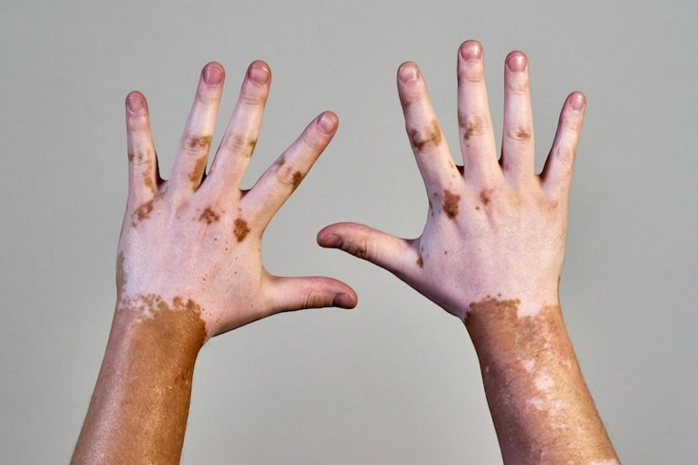
Many patients worry that their vitiligo will come back. Some lesions stay stable for years, while others slowly come back after long periods of apparent stability.
The condition happens when melanocytes stop making melanin properly. This color loss could last for a very long time if there is a lot of inflammation and an imbalance in the immune system.
After experiencing emotional stress or illness, some patients experience recurrence. Hormone imbalances and not getting enough sleep may also have a big effect on how lesions work as a chronic autoimmune disease gets worse over time.
Because of this, planning a treatment for vitiligo often requires long-term observation. Any sudden changes in a lesion could mean that the inflammation is starting up again, which could affect the stability of the pigment in sensitive skin areas all the time.
Recurrence Patterns in Chronic Vitiligo
Each person’s vitiligo return is special. Some people have little spots, while others lose color over big areas.
Around the edges of old patches or previously stable areas, recurrent lesions may appear. Sometimes, emotional exhaustion and inflammatory conditions can change these recurring patterns over long periods of time.
Some patients observe seasonal variations in the activity of their lesions. Others see recurrence after long-term stress or bad habits that change the body’s inflammatory balance over time.
Many doctors think that vitiligo that comes back needs to be closely watched over for a long time. Gradual observation is often helpful in identifying changing lesion behavior during long-term emotional and practical management of an autoimmune disease.
Homeopathy and Constitutional Observation
Homeopathy does not treat vitiligo by only by symptoms but also overall health. Before therapy planning, experts look at a person’s feelings and body.
Digestion and sleep quality are frequently discussed during consultations. Long-term therapeutic observation during consistent management of a chronic autoimmune skin disorder may also be affected by stress responses and emotional reactions.
Many patients appreciate detailed consultations during protracted vitiligo management. Feeling truly heard may increase emotional comfort and confidence during the difficult process of observing a chronic illness in a practical and emotional way for long periods of time.
Some professionals also carefully look at how genes can affect someone. Family history can sometimes have a big effect on how lesions get worse and how often they come back after being treated for a long time for a pigmentary skin disorder.
Immune Dysfunction and Recurrent Lesions
Inflammatory immune activity that mistakenly attacks melanocytes is a common feature of vitiligo. This repeated immune response gradually damages cells that make pigments over long periods of time in sensitive skin regions, both continuously and clinically.
After experiencing emotional stress or illness, many patients experience recurrent lesions. Bad sleep and unhealthy habits hurt how the immune system works.
Emotional Stress and Recurrence Activity
Chronic autoimmune skin disorders are strongly affected by stress. Many patients notice that their lesions get worse after stress, grief, stress at work, or emotional trauma, which changes the balance of inflammation inside the body and over time in a big way.
White spots might make you feel uneasy when with other folks. Having a long-standing skin problem and constant questions can lower your confidence.
Discussions of emotional health are frequently included in homeopathic consultations. Practitioners may study irritability and sadness because emotional patterns can affect recurrence activity and the balance of inflammation over a long period of time.
During protracted vitiligo management, many patients experience emotional isolation. Because of this, supportive communication and setting realistic expectations become important during treatment for a chronic autoimmune disease and therapeutic observation over time.
Lip Vitiligo and Recurrence Concerns
Lip vitiligo causes special emotional problems because the spots are very noticeable when people talk and interact with each other every day for long periods of time. This can be emotionally draining for many patients.
People with lip vitiligo who are looking into homeopathy often prefer to be watched over slowly and with support. When managing a chronic autoimmune skin disorder on a regular basis, delicate facial regions may need close long-term monitoring.
Compared to body patches, recurring lip lesions might act differently. Lesion stability during prolonged inflammatory activity over long periods of time can sometimes be impacted by environmental exposure and constant movement.
A lot of patients are sensitive to how facial depigmentation makes them feel. Giving supportive advice and setting realistic goals can help boost confidence during tough long-term vitiligo management journeys, both in the real world and in the mind.
Observation Based Monitoring
Vitiligo often gets better or worse slowly over time. Some lesions stay in one place, while others move around randomly in different parts of the body during long periods of inflammation and immune imbalance.
Practitioners can often check changes in color and lesion edges. In long follow-up sessions, they check feelings and how progress goes.
Photographic tracking can sometimes help patients see small changes more clearly. Small spots of color or stable lesion edges may show that things are getting better after a long period of therapeutic observation, both physically and emotionally.
Lifestyle Factors and Recurrence Risk
Balance in lifestyle may affect long-term skin stability during the progression of a chronic autoimmune disease. Lack of sleep and emotional exhaustion may make inflammatory stress worse when vitiligo is observed continuously for long periods of time.
Many professionals say that supportive daily routines are best for long-term management. Having stable schedules and healthier habits can help your mental health while you’re observing an autoimmune skin disorder for a long time.
- Better hormonal balance may be supported by regular sleep patterns.
- You know, reducing stress could lessen inflammatory activity.
- Foods with antioxidants might improve your skin health.
- Not smoking may help blood flow and skin health.
Patients do not see how daily habits matter a lot. Long-term autoimmune disease management typically requires patience and realistic expectations during prolonged observation consistently over time.
Pediatric Vitiligo and Family Support
Kids with vitiligo need medical care and support together. Parents worry about kids’ confidence and wellness in important years, you know, for growth.
Pediatric supportive care focuses on careful observation over time, you know. Emotional tendencies and genetic factors are frequently discussed during long-term therapy and regular supportive follow-up sessions.
Some childhood lesions don’t get worse for years and don’t spread much. Others happen slowly over time when there is long-term emotional stress or an inflammatory imbalance that affects the stability of pigments inside the body for long periods of time.
During prolonged management, children also require emotional support. Supportive family communication may boost confidence during observation and therapy follow-up for a chronic skin disorder, both in the short and long term.
Choosing Personalized Long Term Care
When you manage an autoimmune disease, it is important to pick experienced doctors. Before starting long-term care, patients should check communication and follow-up, you know.
Many people who are looking for homeopathy vitiligo treatment in Madurai often want one-on-one consultations and positive communication. Giving balanced advice may boost confidence during long-term emotional and practical journeys of managing a chronic skin disorder.
Patients who are considering homeopathic medicine for white patches frequently value patient observation and tempered expectations. Supportive follow-up can help people with autoimmune skin issues feel more confident.