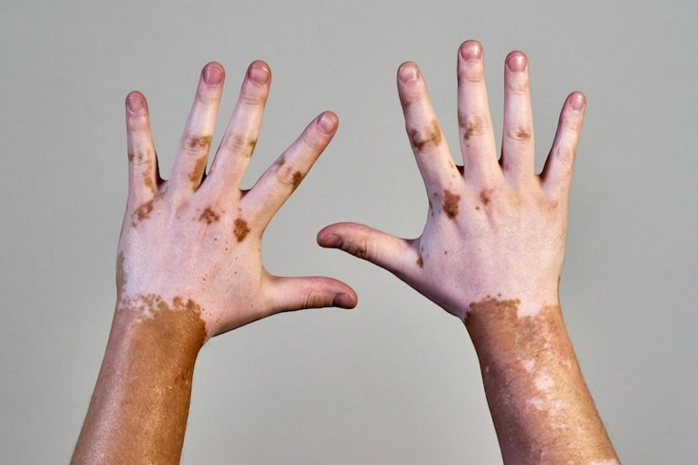
Vitiligo is a long-term skin condition that shows up as white spots on various parts of the body. It happens when melanocytes stop making melanin properly over a long period of time, gradually and continuously.
The condition could show up on the face, lips, neck, hands, or other areas that are visible. After stress or sickness, some patients have stable lesions, and others spread.
Vitiligo connects to autoimmune issues and oxidative stress, you know. Pigment stability in the body may be affected by stress and genes.
Because of visible lesions, many patients feel emotional pain. Social interactions can become stressful during prolonged disease progression and chronic skin disorder management, both emotionally and practically.
Why Constitutional Homeopathy Matters
Instead of just one symptom, homeopathy treats the whole person you know. During long-term observation, emotional health and sensitivities are examined carefully.
Many people looking for homeopathy vitiligo treatment in Chennai would rather have a personalized consultation than a quick exam that only looks at the discoloration and appearance of the lesion.
A vitiligo specialist looks at how stress and genes affect the body. When managing chronic autoimmune disease, these things impact how lesions develop.
Patients like communication that is supportive and realistic, you know. Long-term observation may make people with vitiligo feel more at ease emotionally during long-term treatment and therapy follow-up sessions, both physically and emotionally.
Constitutional Evaluation in Vitiligo Care
Instead of only on symptoms, homeopathy looks at the whole person you know. Before choosing treatments, practitioners look at emotional and physical sensitivities.
During consultations, questions about digestion, fears, emotional responses, and sleep quality frequently come up. These details help identify constitutional patterns that affect long-term therapeutic observation and supportive management consistently.
The lengthy consultation process initially surprises many patients. Over time, they frequently comprehend why emotional health and lifestyle choices are prioritized during therapeutic observation and management of chronic autoimmune diseases.
A constitutional evaluation may also look at how genes and stress affect people. When someone has vitiligo and is treated for a long time, these things can sometimes change how the lesions behave and how stable the pigment is.
Immune Dysfunction and Pigment Instability
Inflammatory immune activity that mistakenly attacks melanocytes is a common feature of vitiligo. In sensitive skin areas, this immune response repeatedly harms cells that make pigments slowly but surely over long periods of time.
After stress or sickness, many patients notice their lesions getting worse. Poor sleep and bad habits hurt your immune system over a long time.
Instead of only on looks, homeopathy often considers systemic balance, you know. Professionals think that patterns of emotional and physical stress may naturally and gradually change the stability of pigments over time.
Many people wanting to get rid of vitiligo prefer supportive, gradual care. Long-term observation is often needed for managing a chronic skin disorder.
Emotional Stress and Disease Activity
Chronic autoimmune skin disorders are strongly influenced by stress. A lot of people get new sores after stress, grief, stress at work, or emotional trauma, which changes the balance of inflammation inside the body and keeps changing it over time.
Emotional insecurity is also exacerbated by visible white spots. People may lose confidence when asked about their looks, you know. This can happen in personal and work settings.
An emotional health assessment is often a part of homeopathic evaluations. Practitioners often study patterns of sadness, fear, irritability, and overthinking because they can affect how a disease works over time and while being observed for a long time.
Patients trying to know about vitiligo in homeopathy often look for supportive guidance and emotional reassurance. Personalized communication may boost confidence during long-term journeys to manage an autoimmune skin disorder.
Monitoring Vitiligo Progress Carefully
Every person with vitiligo has a different experience with it. Some sores don’t change for years. Others spread after illness, stress or changes that affect melanocytes.
Regular monitoring helps doctors watch lesions and pigmentation changes. Follow-up sessions talk about emotional health and progress rate you know.
Photographic tracking can help patients see small changes over time. Tiny spots of color or stable lesion edges may show that things are getting better after a long period of therapeutic observation, both practically and emotionally.
Long-term monitoring helps patients manage their expectations more. People with chronic conditions need monitoring instead of expecting fast changes.
Lifestyle Habits Supporting Skin Stability
Vitiligo cannot be cured by just lifestyle changes, you know. Bad habits can worsen stress and hurt the body’s ability to deal.
Many clinicians recommend supportive routines with ongoing care you know. Healthier habits help manage things long-term and boost well-being over time.
- Regular sleep hours may keep hormones more balanced, you know.
- Lowering oxidative stress can be done with foods high in antioxidants.
- Anti-inflammatory immune activity may go down when you learn how to deal with stress.
- Quitting smoking is good for your skin and blood flow in general.
People looking for long-term help for vitiligo often quit fast. People with chronic conditions need to be patient and realistic, you know.
Pediatric Vitiligo and Family Concerns
Kids with vitiligo need medical help and emotional support, you know. Parents worry about kids’ confidence and well-being during the big growth years.
Individualized constitutional prescribing is a big part of homeopathic care for kids. During long-term therapy, emotional trends and disease activity are closely observed.
Parents often hope to see changes quickly after their child begins treatment. Long-term care means practitioners tell parents that progress takes time and patience.
Children need emotional support for long periods of time, you know. Talking with family can help boost confidence during long-term therapy challenges.
Interest in Supportive Homeopathic Care
Individualized treatment plans are preferred by many patients who are looking into supportive care. During consultations and follow-up appointments regularly and consistently, they often value approaches that look at bigger health patterns instead of just cosmetic discoloration.
Patients looking into homeopathy vitiligo treatment in Chennai frequently want thorough constitutional evaluations and fair advice. Talking support can help people feel better about themselves over time.
This interest comes from people being tired of how fast help is available online. Many people with long-term vitiligo would rather get realistic advice and supportive follow-up care over time, both practically and emotionally.
Choosing Experienced Practitioners
When dealing with autoimmune disease, you should choose experienced doctors you know. Before long-term care patients should check the communication and follow-up structure.
A qualified homeopathy vitiligo specialist will usually look closely at both the person’s emotional health and the progress of the lesion. Personalized observation may help with therapeutic planning when managing a long-term skin disorder consistently and practically over time.
Many patients trying to know about vitiligo in homeopathy often look for gradual care and realistic expectations. Balanced advice may help people who are dealing with difficult autoimmune skin disorders feel better on a regular basis.