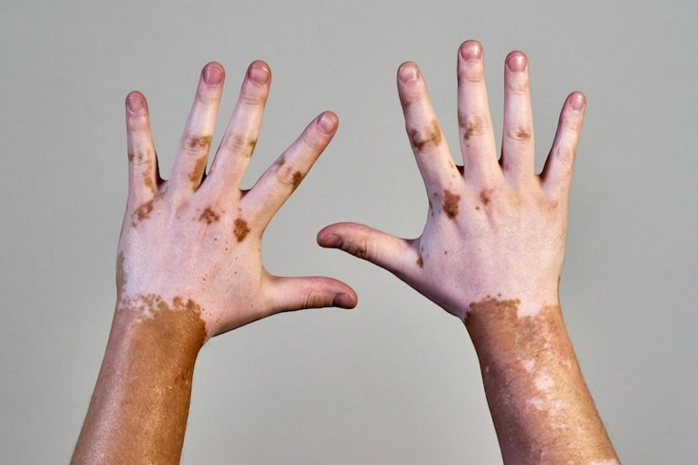
Vitiligo is a skin condition impacting millions worldwide. Vitiligo skin health actually needs proper and regular hydration. This article explains the hydration effects on elasticity and vitiligo specialists’ care strategies.
Understanding the Role of Hydration in Skin Health
Hydration is key to basic skin health. Skin actually needs water for a healthy barrier and no damage. Moist skin cracks and loses elasticity less often.
Skincare replenishes moisture lost due to environmental damage, really. Without hydration, skin gets tight and flaky and cannot stretch properly. Drinking water daily actually helps support internal skin hydration. Both really matter to keep the skin supple and healthy.
How Vitiligo Impacts Skin Elasticity
Skin elasticity, sort of, tends to change in vitiligo patients because pigmentation plays a vital role. Melanin, absent in vitiligo specialists usually protects the skin barrier.
Lack of melanin causes dryness, uneven texture, and less elasticity. Vitiligo skin feels delicate and less responsive to movements often. Hydration is more crucial, honestly, for managing vitiligo issues well.
The Science Behind Skin Hydration and Elasticity
Hydration helps the dermis hold water, which supports skin health. Hydrated skin resists damage and actually retains elasticity well. Moisturizers that increase water retention can improve skin bounce, really.
Hydrated collagen fibres are another essential factor. Fibres really need moisture to keep their flexibility intact. Vitiligo skin repairs moisture loss to keep elasticity good.
Natural Moisturising Factors in Vitiligo-Affected Skin
Skin has natural moisturisers that basically keep it hydrated. These are disrupted in vitiligo specialists.
- Glycerin in the skin helps bind water to it.
- Urea in healthy skin gives long-lasting hydration.
- Ceramides naturally protect the moisture barrier.
- Fatty acids basically help skin stay moist for hydration.
- Hyaluronic acid absorbs water, you known for skin elasticity.
Adding products with these factors to a skincare routine can greatly help. Moisturised skin stretches easily and feels healthier, really.
Topical Hydration Strategies for Maintaining Elasticity
Topical hydration is the simplest way to improve skin elasticity. Patients using the best vitiligo medicine should regularly apply moisturisers, as daily use is essential for skin care and recovery.
- Opt for moisturisers with natural oils like jojoba and coconut oil
- Use hydrating serums containing hyaluronic acid.
- The Petrolatum layer helps seal in moisture, honestly.
Skincare patches, you know, are another innovation that provides targeted hydration. A basic skincare routine drastically reduces the effects.
The Importance of Hydration in Skin Regeneration
Skin regeneration depends a lot on hydration. Well-hydrated skin replaces dead cells quickly. A lack of hydration lowers this process’s efficiency and elasticity.
Hydration is crucial after treatments, like phototherapy or drcheena® Homeopathic Vitiligo Treatment Madurai. Proper skin care with hydrating products afterwards maximises recovery. vitiligo cure in India needs focus to improve elasticity and cell renewal.
Environmental Factors Affecting Skin Hydration in Vitiligo
The environment often worsens hydration for vitiligo issues. Knowing these factors will help manage skin health effectively.
- Sunlight dries and actually disrupts skin hydration.
- Pollution increases oxidative stress and reduces skin moisture, really.
- Low humidity removes water, making skin tight and flaky.
- Chlorinated water reduces skin oils and makes it dry.
- Extreme weather aggravates hydration loss in the skin.
Protective steps really reduce these issues. A controlled indoor environment and preventive clothing also help.
Recommended Ingredients for Hydration in Skincare Products
The right ingredients improve hydration and skin health. Specific products target vitiligo patients effectively. Check for hydrating skin-friendly stuff actually in products.
- Glycerin: It adds moisture, improving skin suppleness really well.
- Aloe vera: Offers hydration deep down and calms irritation, really.
- Niacinamide: Builds a stronger skin barrier and cuts water loss a lot.
- Shea butter: Locks moisture and adds essential nutrients, honestly.
- Panthenol: Hydrates and helps repair inflamed dry skin patches.
Ingredients are vital for a vitiligo cure, improving hydration and elasticity.
Hydration Myths and Facts: What really helps vitiligo well?
Hydration myths often confuse vitiligo patients. Facts provide clarity for effective skincare.
- Drinking water alone guarantees hydrated skin – Myth. Water intake must combine with topical hydration.
- Oily skin does not need moisturising – Myth. Oils trap hydration but do not add moisture.
- Natural oils hydrate better than chemical ingredients – Myth. Science-backed formulas outperform.
- Expensive products guarantee results – Myth. Efficiency comes from active ingredients, not price.
- Hydrating overnight masks are unnecessary – Myth. These deliver intense hydration for elasticity.
Knowing these truths helps vitiligo patients build better skincare routines to combat elasticity loss.
Future Research in Hydration and Skin Conditions Like Vitiligo
Innovative research explores hydration science more deeply for conditions like vitiligo specialists. Scientists are investigating water-binding molecules that improve elasticity in colourless skin.
Future treatments, like advanced hydration serums, could address deep hydration needs beyond surface levels. Additionally, incorporating hydration in vitiligo specialists’ treatments, like drcheena® Homeopathic Vitiligo Treatment, shows promise. Look into hydration research for vitiligo skin care properly.
What are the best hydration practices for vitiligo-affected skin?
Use moisturisers often and avoid hot showers, really. Drinking water daily is always critical. Shielding skin from the environment raises hydration levels, honestly, well.
Are there specific hydrating ingredients ideal for vitiligo skincare?
Hyaluronic aloe vera, and urea really work well for vitiligo specialists. Ingredients deeply help elasticity and improve barriers really well.
How does dehydration affect skin elasticity, especially in vitiligo?
Dehydration worsens elasticity loss for vitiligo patients, really. Skin feels tight, dry, and less soft if not hydrated.
What is the role of diet in improving hydration for vitiligo patients?
Basically, eat fruits, veggies, and watery foods for hydration. Antioxidant foods help vitiligo patients actually improve skin elasticity. Skipping caffeine boosts internal hydration well.
Healthy habits improve skincare very well, honestly. Good skincare connects with attention to personal hydration needs. Support healthier skin with diet, hydration, and trusted vitiligo specialists’ treatments. Visit specialists at Laxmi Centre in Chennai, Mumbai, Madurai, or Bangalore.