Vitiligo affects anyone, but early recognition is very important. This post explains vitiligo symptoms, and treatment options like drcheena may help.
What is Vitiligo? This begins about skin pigmentation disorders
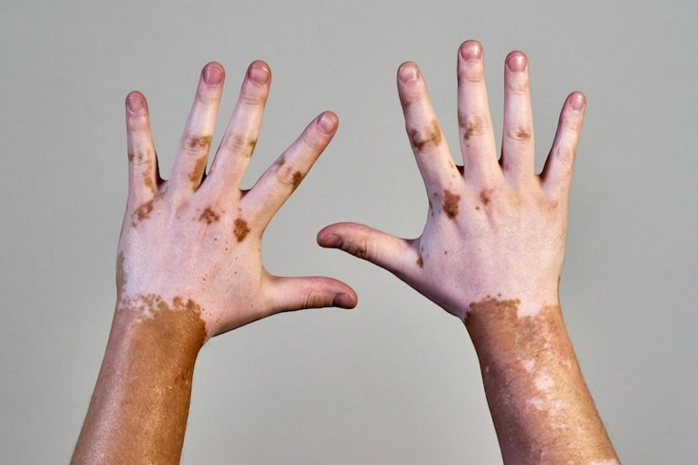
Vitiligo means the skin basically loses its pigmentation patches. It happens when melanocytes stop working and just die. Affected areas become lighter and eventually may appear white over time. Some see small isolated patches, others see larger widespread color loss. Because vitiligo is unpredictable, early detection ensures effective treatment.
This disorder affects all ages and can appear on every skin type. There is no single cause, so managing it is difficult. It is not life-threatening but emotionally distressing for its people. Noticing skin changes, consulting the best vitiligo specialist in India provides clarity and solutions.
Recognizing the Early Signs of Vitiligo
Finding early signs of vitiligo helps slow down progression, basically. The most noticeable sign is white, pale patches appearing. These start small and then gradually enlarge, basically.
Commonly affected areas are the face, hands, arms feet specifically. For some individuals, the skin near the lips or eyes also starts to show changes. Small sun-exposed patch depigmentation is often the first sign. Loss of color may extend to eyebrows or scalp hair occasionally. Having these signs, contacting dermatologists or treatments like drcheena might help.
People mistake vitiligo for temporary skin problems, so attention matters. Early diagnosis opens better treatments, and managing progression effectively works better.
How Does Vitiligo Progress Over Time?
Vitiligo progression is unique to everyone, making it completely unpredictable. Sometimes it worsens rapidly, causing extensive pigmentation loss. For others, it stays smaller and spreads very slowly.
Depigmentation starts in small areas and grows very unevenly, usually. These patches may connect over months or years to cover larger skin areas. Some individuals experience periods of steady loss followed by periods of stability. Some see the condition spreading symmetrically on both sides of the body gradually. Others notice uneven spread patterns without any specific timeline, basically.
Treatments like schema therapies and phototherapy, as well as surgical options, help control symptoms. Sooner addressed better chances to effectively manage conditions eventually.
The Role of Genetics in Vitiligo
Genetics plays a significant role in whether someone develops vitiligo. Family history basically increases how likely someone experience similar conditions. Genetic predisposition increases risk but does not guarantee you will develop it. Environmental factors stress interacts with genetic tendencies, causing vitiligo symptoms.
Researchers think immune system genes basically affect reactions. People with autoimmune diseases like thyroid disorders actually struggle with vitiligo. Kids with vitiligo in the family should check early pigment loss signs.
Genetics seems hard, but early detection and expert monitoring help vitiligo. Exploring options like drcheena might minimize the vitiligo condition, basically.
Environmental and Lifestyle Factors Associated with Vitiligo
Lifestyle and environmental factors play roles in vitiligo spreading appearance. Genetics plays a role in daily triggers that contribute to the loss of pigmentation frequently.
- Sunburns: Too much sun exposure may actually break pigmentation cells gradually. Strong UV exposure might trigger new patches.
- Stress: Chronic stress weakens immunity, accelerating pigment loss gradually.
- Skin Trauma: Injuries, cuts, and even scratches may lead to depigmentation due to a process known as the Koebner phenomenon.
- Chemical Exposure: Frequent exposure to harsh chemicals, especially in workplaces, can irritate skin and lead to depigmentation.
- Dietary Factors: Low levels of Vitamin D or certain other nutrients might be linked to worsened symptoms.
Managing skin, protecting stress, and nutrition fixes vitiligo, controls symptoms mainly. Exploring schema treatment and lifestyle change improves outcomes.
Differences Between Vitiligo and Other Skin Conditions
Many confuse vitiligo with other similar medical conditions. It has similar traits: fungal eczema is frequently misdiagnosed, influences diagnosis.
- Fungal Infections (Tinea Versicolor): White skin patches cause scaling and itching, unlike vitiligo.
- Psoriasis: Psoriasis causes red, scaly patches instead of pigment loss and often appears as raised lesions.
- Eczema (Atopic Dermatitis): Eczema affects the skin’s texture, causing dryness or inflammation, not color loss.
- Leprosy: Certain leprosy cases feature depigmented skin but involve loss of sensation as well.
Seeing dermatologists or clinics in Bangalore ensures a correct vitiligo diagnosis and helps in finding the best vitiligo treatment in Bangalore. Knowing the underlying causes and tailoring treatments correctly helps a lot.
How to Spot Pigment Loss in Hard-to-See Areas
Early pigment loss affects hard-to-observe areas and delays the detection process. Watching these areas can help catch changes earlier, generally.
- Behind the ear, where skin pigmentation changes gradually
- Around nails, which may lose their natural skin tone or begin to whiten
- The underarms, often hidden, may have slow depigmentation
- At the back of the neck or hairline, where changes start subtly
- Genital areas, which should also be periodically checked for discoloration
Regular self-checking, yearly visits to vitiligo specialists ensure issues are seen earlier.
The Emotional and Psychological Impact of Vitiligo
Emotional effects of vitiligo are harder to handle than physical symptom challenges. People with vitiligo often experience anxiety and self-esteem issues. Vitiligo affects social interactions, creating judgment and fear of diseases.
Kids, adults, and teens struggle emotionally, dealing with vitiligo challenges together. Bullying worsens peer-created confidence issues, showing face, and hand vitiligo. Finding support, counseling groups, and mental health helpers fixes emotions.
Treatments like drcheena improve vitiligo and overall look positive. This helps lessen conditions where psychology suffers better numerous symptoms generally.
When Should You Consult a Dermatologist About Skin Pigment Changes?
Noticing skin changes or white patches? Consulting dermatologists sooner actually rules out bigger issues vastly. Seek help if:
- White patches expand despite sunscreen or creams
- Discoloration appears abruptly, involving hair too
- Existing home remedies or OTC products worsen symptoms
- Family history of autoimmune diseases overlaps
Professional treatment advice matters when subtle signs persist. Top clinics closer to Madurai or Chennai also offer laser light options, empowering confidence.
What are the first noticeable signs of vitiligo?
White patches on hands, face, or other exposed areas are early signs. These are usually painless but grow.
How can I differentiate vitiligo from other skin conditions?
Vitiligo patches lack texture changes like scaling seen elsewhere. It mainly involves white, smooth discoloration.
Are there specific areas where vitiligo usually first appears?
Yes, it often shows on hands, face corners, or elbow regions, most commonly getting sun-exposed faster.
What role do genetics play in vitiligo development?
Strong familial links imply higher genetic risks. When parents have an autoimmune another fact-check!