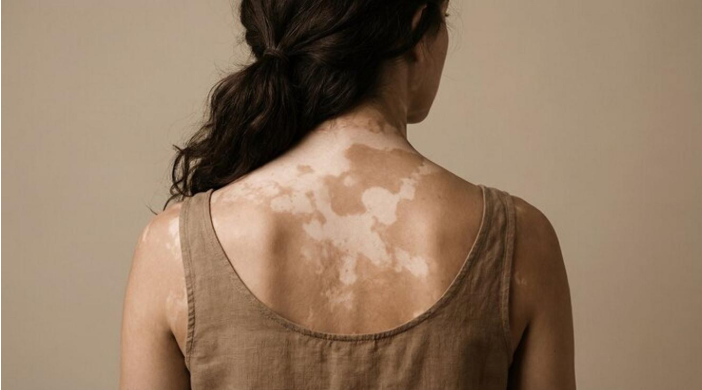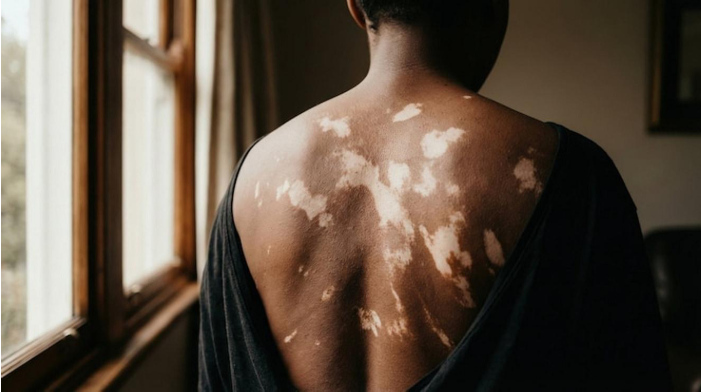
Vitiligo is a skin disorder that causes areas of your skin to lose colour. Melanocytes are the cells that make pigment, or melanin, in your skin. If melanocytes die or become unable to function, vitiligo occurs. Vitiligo can affect anyone at any age, regardless of skin colour. Those with visible patches can face unique emotional and social issues.
Understanding Vitiligo and Its Causes
Experts believe vitiligo occurs when the immune system attacks and destroys melanocytes. Researchers believe several factors, including genes and other biological processes, may cause vitiligo. Vitiligo is not contagious and cannot spread from person to person by touching, sharing meals, or using common spaces such as towels.
Small white or pale spots or larger patches of missing colour may develop anywhere on your body. Areas commonly affected include your face, hands, feet, elbows, knees, eyes, and lips. Vitiligo may develop slowly over several years or appear as new patches.
Hair on your scalp, underarms, eyelids, eyebrows, and beard can also be affected. Vitiligo progresses differently for everyone, so it is essential to have it checked by a doctor. Each type of vitiligo may affect one or both sides of your body.
- Non-segmental vitiligo is more likely to show up on both sides of your body. It is the most common type of vitiligo.
- Segmental vitiligo generally shows up on only one side or a segment of your body.
- Stable vitiligo means you may have some patches that stay the same while you develop new ones over time.
Doctors can use this information to decide which treatment options you can receive.
Why Consulting Vitiligo Specialists Matters
Dermatologists who are familiar with pigmentary disorders can examine the areas of skin involved, make a diagnosis, and talk about treatment options. White patches may mimic a number of other skin disorders, including pityriasis alba and fungal infections. Examination of the skin will rule out these possibilities so that they are not treated inappropriately.
At the consultation, your dermatologist may shine a Wood’s lamp on your skin, take a medical history and ask if you have noticed any recent changes in your patches. Further tests may be advised if your doctor suspects something else may be going on based on examination of your skin and your medical history.
Which treatment is advised will depend on how much skin is depigmented, where the patches are located, whether the disease is active, your age and your preference. Some people will be prescribed a topical medication; others may require phototherapy (under medical supervision) or a combination of treatments.
- Ask your dermatologist what you can expect from treatment in terms of results (and how long they may take), limitations, and potential side effects.
- Ask if the condition is progressing and how your response to treatment will be monitored.
- Take photos of the areas affected to allow comparison with future changes.
- Keep appointments so you can review how well treatment is working and make changes if required.
Evidence-based Vitiligo Treatment Options
No treatment has been found to consistently cure vitiligo. Several treatment options can restore color or prevent new areas from appearing. These treatments work for some people, but not others. Additionally, these treatments may take months before changes are seen.
Additional treatment options may be available for certain individuals, based on disease state and individual needs. Medicine may be able to stabilize fast-spreading vitiligo. Surgery is another option for some people with stable, localized vitiligo.
- Never use prescription medicines/topical creams without consulting your doctor.
- Don’t use sunlamps that aren’t controlled by a doctor or try to tan yourself in place of phototherapy.
- Ask how long you can expect a treatment to take before you decide if you want to try it.
- Talk to your doctor about maintenance therapy to help retain repigmentation.
Homeopathic Treatment for Vitiligo: What Patients Should Know
A few people seek homeopathic treatment for vitiligo due to side effect concerns with prescription medications or because they want to try alternative treatment options. Homeopathy can be practiced by medical professionals in various capacities, though it’s essential to know what sets treatment options apart from scientifically backed care.
Medical professionals following clinically proven guidelines treat vitiligo with prescribed topical medications and monitored phototherapy. We know homeopathy doesn’t currently have enough reliable scientific research to restore pigmentation or halt the progression of vitiligo cure. As always, patients should know these differences before making informed decisions about their healthcare.
Speak with a qualified medical professional about any complementary treatments you’re considering, especially if you’re thinking about taking supplements with your prescription medications. Never stop taking something that works for you because a medical professional suggests you can receive permanent results from an alternative therapy. Also, don’t hesitate to see a dermatologist if you have concerns or think you need medical treatment.
Medical professionals across India may offer homeopathy vitiligo treatment when you search online. Look into their credentials and be skeptical of any provider offering a guaranteed cure. Ask them what evidence they have that their method works. Inquire about what ingredients are in their products and if they could potentially counteract your prescription medication.
An educated decision about treatment always comes down to you knowing what is safest for your health. You have the right to ask questions about your treatment and should only consider complementary options in addition to traditional medical care, not in place of it.
Daily Skin Care for People Living With Vitiligo
Areas of skin without pigmentation from vitiligo lose the benefits of melanin. Melanin normally helps protect the skin from damage caused by ultraviolet rays from the sun. Exposure to the sun can cause burnt skin for those with vitiligo. A daily skin-care routine can help you avoid further irritation and keep your skin as healthy as possible.
Apply a broad-spectrum sunscreen with an SPF of 50 or higher to exposed areas of skin. Wear sunscreen according to the instructions on the label and reapply as recommended. Wear protective clothing, a hat, and take breaks in the shade when spending time outdoors. Never use tanning beds or tan intentionally.
Pick cleansing and moisturizing products that feel comfortable on your skin. Scrubbing your skin with aggressive exfoliants or using highly fragranced products may cause irritation. If your skin becomes continuously red, itchy, or irritated after using a product, stop using it and contact a medical professional if symptoms don’t subside.
- Before spending time outdoors, apply your sunscreen and reapply as directed on the label.
- Moisturize dry skin to help maintain the skin barrier function.
- Avoid scratching or further irritating the skin.
- Seek medical advice if you experience cuts, burns, or persistent inflammation that requires treatment.
Nutrition, Emotional Wellbeing, and Long-term Maintenance
Eating a balanced diet is good for overall health. There isn’t any one food that is known to cause or treat vitiligo. Eat plenty of vegetables, fruits, whole grains, protein foods, and healthy fats. Consider dietary supplements if you have a known nutritional deficiency or if recommended by your healthcare provider.
People with vitiligo may experience problems with self-confidence, social relationships, and emotional health if white patches are visible. Sharing concerns with understanding friends, family members, or a mental health professional can help patients cope. Cosmetic camouflage can also be used to temporarily cover lesions if desired.
Maintenance therapy may be recommended as treatments may cause repigmentation that gradually fades over time and new patches can develop. Dermatologists can advise how often you should be seen for reassessment (and photographs), and tweak your treatment if required. If you stop having new patches during treatment, it does not necessarily mean you should stop treatment.
Finding Vitiligo Treatment in Mumbai
If you are looking for treatment for vitiligo in mumbai, start by finding an experienced dermatologist or reputable dermatology clinic that specialises in the management of pigmentary disorders. Before making an appointment, ensure you understand the clinician’s qualifications, treatment facilities, and follow-up capabilities, as well as their willingness to discuss potential risks before starting treatment.
Inquire if they perform an appropriate diagnostic evaluation, offer medically supervised phototherapy if required, and provide long-term follow-up. Ask about the anticipated length of your treatment course and cost involved. Guaranteed repigmentation or miracle cures within a specified time frame should be treated with skepticism.
The best treatment option for you will depend on your particular circumstances and medical needs, not your geographical location. A qualified dermatologist can educate you about available treatments, provide realistic expectations, and tailor a program to your needs.