Vitiligo is a condition disrupting pigment formation, causing white patches. This blog explores its causes and treatment options. With insights into autoimmunity, genetics, and environmental factors, it highlights approaches such as the drcheena® Homeopathic Vitiligo Treatment for managing this condition.
Introduction to Vitiligo: An Overview
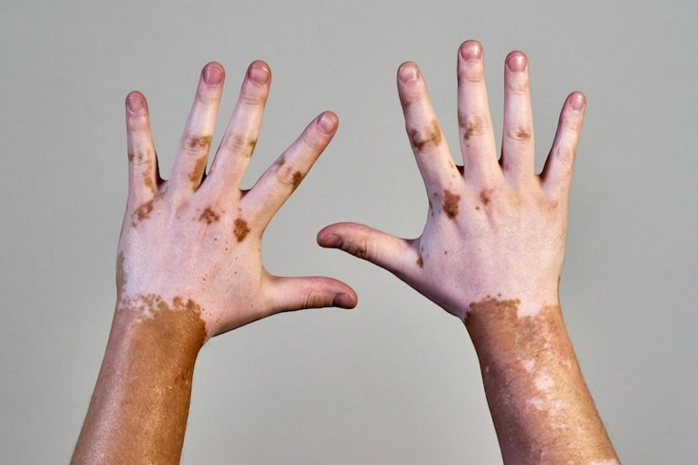
Vitiligo is a condition that causes skin to lose pigment patches. It happens worldwide when melanocyte cells in the skin stop working. Visible signs may lead to emotional distress and anxiety. Studying vitiligo includes genetic factors, environment, and autoimmune issues.
Understanding Skin Pigmentation and Melanocytes
Skin color depends on melanocytes and I think melanin production. Melanin controls eye skin and hair color, actually, too. Melanocyte cells are well in the deepest layer of the epidermis. They work non-stop to maintain even skin tone, I think. In vitiligo, critical cells kind of get damaged, reducing melanin a lot. Uneven pigment patches, you know, worsen over time.
What Causes Vitiligo?
Vitiligo causes are kind of complex, linking genes, autoimmune, and stuff. Researchers think the immune system destroys controlling melanocytes.
- Genetic predisposition: Having vitiligo family history increases chances. Specific genes linked to melanin production are frequently involved.
- Immune system dysfunction: The immune system attacks melanocytes, thinking they are invading stuff.
- Oxidative stress: Imbalance between antioxidants and free radicals damages melanocytes at a cellular level.
- Skin injury and sunburn: These can sometimes serve as triggers for pigment loss.
- Certain chemicals: Prolonged exposure to harmful substances may lead to melanocyte dysfunction.
Like, combining triggers often kind of speeds up pigment loss. Acting early might help slow or kind of stop progression.
Role of the Immune System in Vitiligo Development
The immune system breaks down and attacks melanocytes as harmful invaders. Misguided T-cells actually trigger this response, basically. The white cells destroy tissue and confuse melanocytes for viruses. Long-term inflammation damages skin cells further, basically. This immune problem may be linked to thyroid or diabetes.
Treatments aim to actually control your immune activity. Approaches include corticosteroid creams, PUVA therapy, and the innovative drcheena® Homeopathic Vitiligo Treatment for holistic healing support, considered among the best vitiligo treatments in India.
Autoimmune Theories and Research on Skin Damage
Extensive research suggests autoimmunity is central to vitiligo. Immune mistakes disrupt the melanocyte kind of function. Discoveries show high autoantibodies targeting melanocytes in vitiligo patients.
Studies show increased cytokine activity harms pigment cells and causes inflammation. These processes are known, but the autoimmune mechanism is not fully understood. Homeopathy helps immunity issues by promoting balance and better health.
Key Genetic Factors Associated with Vitiligo
Genetics is key and critical for vitiligo. Around 15 percent of individuals with vitiligo have a family history. Researchers have identified multiple genes linked to pigmentation and immune system regulation.
- NLRP1 gene: A gene causes inflammation and immune attacks on melanocytes, really.
- PTPN22 gene: Known to also relate to other autoimmune conditions like rheumatoid arthritis.
- HLA alleles: These variations regulate immune responses in vitiligo patients.
- TYR gene: Essential in melanin production, its mutations hinder pigment formation.
- Autoimmune clusters: Familial links to thyroid, psoriasis, or other conditions increase risks.
Genetics cannot fully predict vitiligo, but findings help guide treatments and positive outcomes.
Environmental Triggers and Risk Factors
Environmental factors can worsen or trigger vitiligo in predisposed people. External factors basically speed up how fast pigment is lost.
- Excessive sun exposure: Burns worsen stress on the skin and damage oxidative cells.
- Injuries or skin trauma: Cuts or abrasions can prompt new patches to form.
- Chemical exposure: Hard detergents and industrial products damage your skin’s barrier.
- Emotional stress: Chronic stress leads to immune system imbalances, which harm melanocytes.
- Infections: Infections can lead or may somehow trigger immune activity.
Wearing protective clothing and daily health routines are completely critical. Holistic treatments like drcheena® Homeopathy help to limit such impacts.
Current Treatments Targeting Autoimmune Responses
Vitiligo treatments restore pigment focus and stop harming melanocytes. Therapies actually might vary depending on stage and condition, or severity.
- Topical steroids and immunosuppressants: The aim is to reduce inflammation in the skin or pigment sites.
- UV phototherapy: Re-pigments affected areas by stimulating melanocytes under close medical supervision.
- Surgical techniques: Skin grafting is an available option for localized vitiligo.
- Laser treatments: Target specific depigmented areas of the skin effectively.
- Homeopathic care: drcheena® Homeopathy is praised for holistic and side-effect-free vitiligo care.
Changing life habits and emotional help actually provide the most effective results.
Impact of Vitiligo on Mental and Emotional Health
Visible symptoms will severely impact emotions and mental health. Patients feel low self-worth or embarrassment, and social anxiety may arise. Bullying and prejudice worsen mental health or emotional balance. Careful counseling and wellness groups are essential for emotional struggles. Holistic treatments mix physical care and emotional aid, improving recovery outcomes.
What are the main autoimmune mechanisms in vitiligo?
Autoimmunity in vitiligo starts by attacking melanocytes like the wrong cells. T-cell overactivation damages healthy tissue, causing white patches. Immunes help therapies, treatments, modulate, or provide balance sometimes.
How does vitiligo affect the function of melanocytes?
Vitiligo damages melanocytes and actually stops melanin and pigment production. No pigment leads to skin where tones become different or uneven. Early actions slow this vitiligo destruction down.
What genetic mutations are most commonly linked to vitiligo?
Mutations and the PTPN and TYR genes, you know, control melanin. Genetics helps create well-suited personal care or aid strategies.
Can environmental factors trigger or accelerate vitiligo?
Triggers like burns or chemicals and skin damage increase vitiligo risk. Harmful UV rays and pollution basically elevate skin risks.
Vitiligo health matters also go beyond skin, and honestly, emotional wellness, too. Modern and holistic methods help vitiligo with drcheena® treatments. Laxmivitiligocenter has experts or contact for the best vitiligo specialist in India for guidance. Healing starts now or very soon.