Vitiligo is a condition of pigmentation that interests many. Cellular regeneration might hold the key to natural skin repair. This article explores regeneration’s role and its potential impacts on vitiligo cure.
Understanding Cellular Regeneration: A Key to Healing
Cellular regeneration is a process that replaces damaged tissue with healthy cells. This process really helps the body function naturally well overall. Skin cells go through repeated repair and damage cycles daily.
New cells rebuild injuries by repeating tissue repair of damaged areas regularly. Well, this does not really, like, always work perfectly and smoothly. Factors like age, health, and life habits impact how well regeneration works.
Poor regeneration creates health issues, you know, especially with skin tissues. Regeneration aids healing, but in vitiligo cure, the process might actually break. Learning this matters basically for therapies that boost cellular healing processes.
The Role of Cellular Regeneration in Skin Disorders
Skin issues involve cell problem cycles disrupting adequate cell repair. Cellular regeneration really matters for keeping the skin overall healthy, okay. Regeneration slowing down worsens healing gaps, leading to worse conditions.
Skin issues like psoriasis need regeneration healing for damaged spots always. vitiligo treatment in madurai shows pigment cells are lost where regeneration fails totally. However, promoting regeneration might restore balance.
Regeneration targets underlying disruptions in disorders. Researchers focus on boosting cellular activity levels in damaged areas entirely. Future therapies might develop targeted outcomes based on this same idea, basically.
What is Vitiligo and How Does it Affect the Skin?
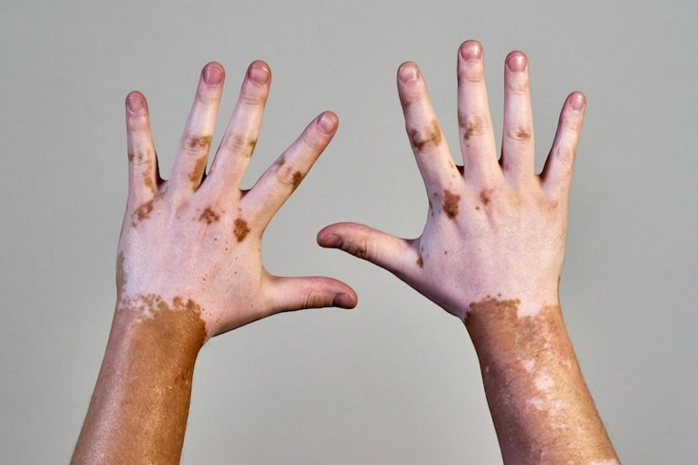
Vitiligo involves skin pigment-producing cells basically stopping to function well. Pigment loss creates white patches all over the affected skin, basically.
Immune attacks hit melanocytes, though genetics and factors play roles here, too. Vitiligo does not hurt physically, but psychologically impacts those affected.
Skin faces more sunburn sensitivity as pigment loss exposes spots needed. Dead cells fail to regenerate color, making overall recovery really so challenging.
People live well with vitiligo cure but societal stigma challenges feelings anyway. Treatment aims to restore pigment and improve cellular recovery via studies.
How Regenerative Medicine Applies to Vitiligo
Regenerative medicine basically repairs tissues using popular biological therapy now. Vitiligo research actually aims to boost pigment cell regeneration processes.
Stem cells really play a crucial part in regenerative medicine. Melanocytes regenerate, fixing white patches, which are seen with the best vitiligo treatment in india.
Therapies combine transplant and factors for completely recovering melanocyte cells. Restoring improper immune responses is also basically so important, okay. Experts link regeneration with immune system therapies commonly nowadays.
Regenerative ideas already impact treatments, though they are still developing, actually. This field’s advancements may revolutionize the future vitiligo cure, unmet so far.
Natural Approaches to Promoting Cellular Regeneration
Boosting regeneration naturally supports having healthier skin, totally well now. Good habits can actually counter problems disrupting most regenerative processes fast.
- Eating greens, nuts, and berries really improves antioxidants for cell repair.
- Hydration daily really supports removing toxins and helps regenerate skin a lot.
- Basically, just sleep properly, right? Rest boosts, making new fresh cells, actually improve processes overall, really.
- Use sunscreen, avoiding bad chemicals that damage your basically delicate skin cells.
- Managing stress avoids disrupting vital healing hormones, including cortisol production.
Enhancing these habits works best when consistent time is given for natural skin cycles to rebuild progressively. Small efforts matter greatly when approached thoughtfully.
Scientific Breakthroughs in Regeneration for Vitiligo Cure
Medical breakthroughs aim to bridge regeneration gaps affecting vitiligo recovery. These ideas spotlight how cellular therapies bring progress in treatments.
CRISPR-like gene editing improves melanocyte repair directly in treatments now. Stem therapies reintroduce melanocytes for pigment repair, opening newer ways now.
Tissue engineering basically creates lab melanocytes, fixing specific target problems more now. Such advances aim beyond symptoms, trying regenerative interventions, accelerating pigment-cell replenishment.
Research contradicts the prior pessimisms historically attached. Successes reinforce widespread hope, further capitalizing on focused, persistent exploration to solve vitiligo challenges confidently.
Connection Between Immune System Health and Skin Repair
The immune system heavily influences skin healing. Autoimmune actions against melanocytes worsen vitiligo cure. Addressing immunity’s influence can boost better skin outcomes.
Skin cannot heal fully when misdirected immune activity continues, inadvertently harming helpful cells. Anti-inflammatory protocols realigning immunity aid natural repair mechanisms.
Healing processes flourish under combined support immuno-dermatologically. Holistic care, considering internal biological strengths, builds durable groundwork restoring visible health externally.
Real-Life Stories of Healing Skin in Vitiligo Patients
Homeopathy for lip vitiligo patients once saw hopelessness until shared positive stories offered reassurance. Efforts combating stigma paved paths inspiring confidence, overcoming visible challenges.
Resilient individuals narrate transformative journeys. People embraced self-love despite white patches. Other advanced curing trials effectively aided melanoma-correcting experimental regimes.
Testimonies resonate compassionately, encouraging ambiguous solutions’ exploratory trials, pushing brighter tomorrow’s aspirational yet possible realizations.
What is cellular regeneration, and how does it work in the skin?
Cellular regeneration involves replacing worn cells, basically with healthier ones, daily. Skin regenerates itself every few weeks, repeating restoration patterns now. Good diet and habits basically support natural regeneration, helping structure robustness, okay.
Can cellular regeneration fully vitiligo cure?
A fully vitiligo cure through regeneration alone remains unlikely currently. Cellular enhancements help improve therapy efficacy via innovation toward enhanced pigment repair techniques. Today’s limitations are bridging ongoing research developments.
What factors influence vitiligo’s natural healing process?
Factors include genetics, skin health, lifestyle, immune behavior impacting melanin-related systemic processes interacting systemically across various unpredictable circumstances motivating proportional effort concentration interventions balancing refinement outcomes.