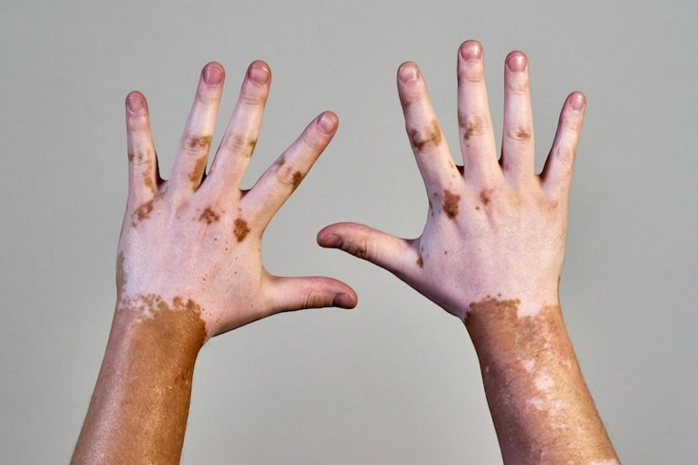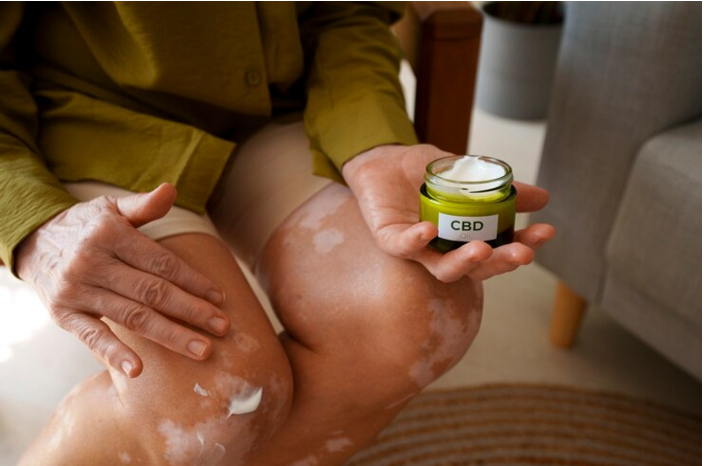
Vitiligo is a skin issue that shows white spots on the body. It occurs when melanocytes do not make melanin over time.
This condition can appear on the face, lips, neck, hands, or visible areas. Some patients experience stable lesions after stress or illness, while others notice a slow spread.
Studies say vitiligo is connected to autoimmune problems and oxidative stress. Emotional stress and genes can change pigment stability in the body.
Due to visible spots, many patients feel emotionally hurt. When a disease lasts long, social interactions can be tough emotionally and practically.
Why Case-Taking Matters in Homeopathy
Taking case information is key in homeopathic practice. Practitioners collect details to choose treatments for chronic disease management.
Homeopathy looks at the whole person, not only the symptoms you know. During sessions, practitioners check the patient’s emotions and lifestyle.
Many patients like this detailed approach when they have to deal with vitiligo for a long time. Being genuinely heard during consultations may increase emotional comfort and treatment consistency practically and emotionally over long periods of time.
A thorough evaluation also helps doctors understand disease progression more accurately. Long-term therapeutic planning during the management of a chronic autoimmune disease may be affected by lesion behavior and emotional stress patterns.
Constitutional Evaluation in Vitiligo Care
Homeopathy considers the full person, not just vitiligo symptoms. Practitioners check emotions and physical traits before deciding on treatments.
During consultations, questions about digestion, feelings, and sleep often come up. These details find patterns that affect long-term treatment and management.
A lot of patients are surprised by how long and in-depth the consultation process is at first. People with a chronic autoimmune disease often learn over time why their emotional health and lifestyle habits are important during therapeutic observation and management.
Hereditary factors and stress reactions may also be considered in constitutional evaluation. When someone has vitiligo and is treated for a long time, these things can sometimes change how the lesions behave and how stable the pigment is.
Immune Dysfunction and Pigment Instability
In vitiligo, the immune system often attacks melanocytes by mistake because it is inflamed. In sensitive skin areas, this immune response repeatedly harms cells that make pigments slowly but surely over long periods of time.
Many patients notice lesions worsen after stress or illness, you know. Lack of sleep and bad habits harm your immune system long-term.
In homeopathy, the focus is on balance, not just appearance. Professionals think that patterns of emotional and physical stress may naturally and gradually change the stability of pigments over time.
A lot of people who want to get treatment for vitiligo choose models of care that are supportive and gradual. They often value long-term observation and practical advice during hard journeys to manage chronic skin disorders.
Emotional Stress and Disease Activity
Chronic autoimmune skin disorders are strongly influenced by stress. A lot of people get new sores after stress, grief, stress at work, or emotional trauma, which changes the balance of inflammation inside the body and keeps changing it over time.
White spots that can be seen can also make you feel insecure. People lose confidence over time when asked about their looks repeatedly. This can occur in personal and professional situations.
An emotional health assessment is often a part of homeopathic evaluations. Practitioners often study patterns of sadness, fear, irritability, and overthinking because they can affect how a disease works over time and while being observed for a long time.
Many people with vitiligo feel alone when they deal with it long-term. Supportive communication and realistic goals become important during chronic illness treatment.
Monitoring Vitiligo Progress Carefully
Every person with vitiligo has a different experience with it. Some sores don’t change for years. Others spread after illness or stress which affects melanocyte stability unpredictably.
Monitoring lets doctors watch lesion edges and pigment changes consistently. Follow-up sessions regularly discuss emotional health and progress rate, you know.
Photographic tracking can help patients see small changes that add up over time. Tiny spots of color or stable lesion edges may show that things are getting better after a long period of therapeutic observation, both practically and emotionally.
Long-term monitoring helps patients manage their expectations in a better way. Chronic autoimmune patients need monitoring instead of expecting quick improvements in appearance.
Lifestyle Habits Supporting Skin Stability
Vitiligo cannot be cured just by changing your lifestyle, okay. Bad habits can worsen inflammation and stress handling when autoimmune activity lasts.
Clinicians suggest supportive routines along with ongoing care, you know. Healthier habits help with long-term management and physical and mental health.
- Regular sleep times help keep hormones balanced, and you know.
- You can lower oxidative stress with foods high in antioxidants, obviously.
- Anti-inflammatory immune activity may go down when you learn how to deal with stress.
- Quitting smoking is good for your skin and blood flow in general.
Patients wanting a quick recovery often give up quickly, and you know. Chronic autoimmune patients need to be patient and get regular check-ups for treatment.
Pediatric Vitiligo and Family Concerns
Kids with vitiligo need medical and emotional help, you know at once. Parents worry about their kids’ confidence, and you know, well-being, you know.
Individualized constitutional prescribing is a big part of homeopathic care for kids. During long-term therapeutic observation and supportive follow-up management that lasts for a long time, emotional tendencies and disease activity are carefully watched.
Parents expect to see changes right away after vitiligo treatment, you know. Ethical practitioners say slow progress takes time and realistic expectations, you know.
During prolonged management, children also require emotional support. Supportive communication with family members can often boost confidence during long-term therapeutic follow-up and observation for a chronic skin disorder.
Interest in Supportive Homeopathic Care
Individualized treatment plans are preferred by many patients who are looking into supportive care. During consultations and follow-up appointments regularly and consistently, they often value approaches that look at bigger health patterns instead of just cosmetic discoloration.
People with vitiligo looking for homeopathy want help, and you know the direction. Personalized communication boosts confidence during the practical and emotional stages of managing illness.
This growing interest comes from people being fed up with how quickly they can get help online. Many people with long-term vitiligo would rather get realistic advice and supportive follow-up care over time, both practically and emotionally.
Choosing Experienced Practitioners
When handling a chronic disease, picking skilled doctors is very important. Before therapy, patients should check the communication quality and follow-up care structure.
Many people looking for homeopathy vitiligo treatment in Madurai would rather go to clinics that do full constitutional evaluations than rushed consultations that only look at visible lesions from a clinical and cosmetic point of view.
Patients who are considering homeopathic medicine for white patches frequently favor care models that are supportive and individualized. Giving patients good advice helps them stay ready you know for chronic vitiligo.