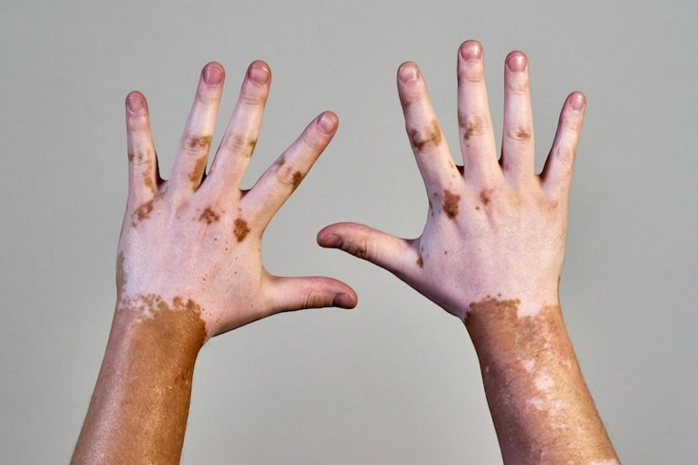
Living with vitiligo affects how you look, feel about yourself, and even your day-to-day comfort. It’s only natural to consider every option that comes your way. Homeopathy is one area patients often ask about. Where does it fit with dermatology, lifestyle support, and specialized care? We break down the topic for vitiligo patients here.
What You Need to Know About Vitiligo Today
Vitiligo is a pigmentary condition that creates pale patches when melanocytes don’t produce color. There are different types based on how quickly patches appear or spread and how much of the body they affect.
Each person deals with their condition in different ways too. Specialists consider stability, progression rate, family history, and emotional impact before suggesting treatment options. That way, patients can protect not just their color but also their confidence by setting reasonable goals over time.
The Appeal of Homeopathic Treatment
- Patients are interested in homeopathic care for a few reasons:
- They wish to try treatments that feel more holistic or personalized.
- They’re looking for additional support against stress from visible symptoms.
- They’ve heard anecdotes about gradual repigmentation.
- Families want treatment options they can easily combine with daily life.
- Patients want to understand all their options, including homeopathy for skin vitiligo, before making a choice.
None of these concerns are invalid. A condition that impacts how you view yourself in the mirror clearly warrants extra research. However, it’s also crucial to discuss any plans with trained professionals. Safety and realistic expectations should always come first.
Treatments Your Dermatologist or Vitiligo Specialist May Suggest
A dermatologist or vitiligo specialist will likely recommend evidence-based methods first. They know vitiligo is unpredictable! Treatment may include topical medications, phototherapy, camouflage creams, counseling, and watchful waiting if lesions aren’t changing.
When patients ask about complementary therapies or search online for homeopathy for white spots on skin, doctors can provide more information. Start the conversation by asking if symptoms are new or spreading quickly. Does your chosen method match your medical needs? That leads us to how homeopathy is viewed by medical professionals.
How Doctors View Homeopathic Medicine
Homeopathic practitioners select medicines according to each patient’s symptoms. Instead of one diagnosis label, consultations for homeopathy and vitiligo may cover sleep patterns, emotions, pain, digestive function, and more.
- The symptoms you describe can determine which remedy is selected.
- Your homeopathy treatment plan can evolve as your symptoms change.
- Many users appreciate the focus on constitution and lifestyle.
- Homeopathic treatments are generally considered gentle.
- Results take time, according to most users.
Just as medicine without scientific backing should not replace established dermatology treatments, homeopathy does not have research to support its use in vitiligo. Patients deserve to know the limits of what’s promising so they can decide for themselves. Informed decision-making always requires transparent communication.
Combining Homeopathy With Other Vitiligo Care
Instead of choosing one treatment method over another, families usually want to know how multiple therapies can work in tandem. Combination care is reasonable when patients seek emotional support from one practitioner while another doctor monitors their skin.
Some integrative clinics receive patients who ask about vitiligo treatment in chennai. How can various treatments work together? The answer should always include not stopping medical treatment without consulting your doctor first.
Patients should continue going to appointments and sharing information with their specialists. Anyone combining treatment approaches should keep track of new patches, symptoms at other sites, or unexpected changes. Catching complications early may open the door to different solutions.
Reasons to Prioritize Medical Care
While vitiligo is rarely harmful on its own, evolving patterns can indicate disease activity. When new patches appear after injuries, illnesses, emotional trauma, or pregnancy, they should be checked by a doctor.
Patients who develop whitening in the eyes or mouth lining should make a medical appointment too. Hair loss or graying near vitiligo patches can also signal a host of medical issues unrelated to pigment loss. If you’re concerned about your diagnosis, speak with a specialist before pursuing other options.
Managing Your Expectations
Whatever path you choose for care, ask lots of questions so your expectations are realistic. Most treatments take time and may work on some body areas better than others.
- Don’t expect results in weeks. It can take months to see changes.
- Vitiligo on different body parts will react differently to treatment.
- If lesions aren’t spreading, they may react better to treatment.
- Remember to manage your stress as part of your health regimen.
- Follow up with your doctors often to learn more about your options.
Building a good relationship with your doctor means understanding the treatment process. You aren’t alone! Patient care coordinators and counselors can also help you manage expectations along the way.
Deciding If Homeopathy Is Right for You
Your treatment should always align with your medical needs first. But if you and your doctor feel comfortable exploring options, homeopathy might fit your daily routine.
Think About:
- How Will We Measure Progress?
- What Are Your Thoughts on Complementary Care?
- Is This Safe to Combine With My Current Treatment Plan?
- Can You Provide Evidence to Support Your Recommendations?
Asking professionals questions like these can prevent you from getting lost in translation. Complementary doesn’t always mean careless. You can still benefit from holistic discussions without losing the expertise of your dermatologist.