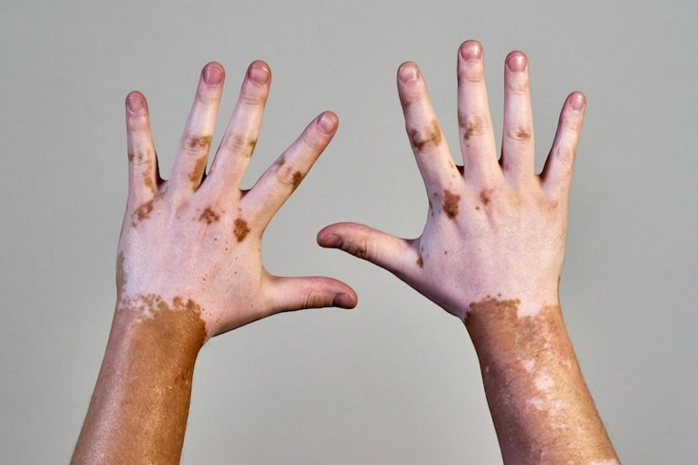
Vitiligo is when melanocytes die or stop working properly, causing color loss. These cells make melanin, which gives skin its color. Some parts of the body, like the face, hands, arms, feet, and sometimes even sensitive areas like the lips, get white spots when melanocytes stop working properly.
Vitiligo doesn’t hurt physically, but the fact that it can be seen can have a big effect on your confidence and emotional health. People with vitiligo seek care that fixes both symptoms and causes.
Vitiligo is now known to be an autoimmune condition that is affected by a number of things, such as an immune system that isn’t working right, oxidative stress, genetics, and environmental triggers. Holistic treatments get attention because things are complicated. Homeopathy focuses basically on balance and long-term basic solutions.
Understanding Vitiligo as a Systemic Condition
People no longer just think of vitiligo as a skin condition. It is a disorder with a poor immune system and metabolic issues.
The immune system mistakenly attacks melanocytes in autoimmune responses. This stops the production of melanin, which makes patches of skin without color show up.
Many factors contribute to how vitiligo begins and progresses.
- Having genes increases the chances of autoimmune diseases.
- Oxidative stress hurts cells that make color
- Imbalance of hormones
- Stuff around us, like infections and chemicals.
- Stress actually weakens the immune system.
Vitiligo needs a complete way of looking at health and skin.
The Homeopathic Approach to Dermatological Care
Homeopathy treats everyone as an individual while checking overall health. Practitioners do not see vitiligo alone but check all health.
Homeopathy consultation might actually include.
- Stress levels and personality traits matter.
- Metabolic health and digestive health are related.
- How you sleep and how much energy you have
- Being sensitive to environmental factors
- History of long-term illnesses in the family
Based on this thorough evaluation, treatments are chosen based on the patient’s unique constitution.
This personalized approach is common among people who see the best vitiligo specialist in India as part of comprehensive skin care.
Stabilization as a Primary Clinical Goal
A key goal in vitiligo is keeping it stable. Stabilization stops the disease from worsening and new patches from forming.
Indicators of stabilization may include:
- There are no new spots losing their color.
- Lessening the growth of existing patches
- Better skin texture around the affected areas
- Lowering of inflammatory activity
Being stable helps melanocytes recover and pigmentation return slowly.
This phase needs long-term treatment and monitoring a lot.
Repigmentation and Melanocyte Recovery
Repigmentation is how vitiligo areas slowly regain color. Melanocytes making melanin, help pigmentation return to small areas.
Common repigmentation patterns include:
- There are tiny brown spots showing up in white areas.
- The color is coming back around the hair follicles.
- Gradual blending of the edges of the patch with the skin around it
These changes show that melanocyte activity is getting better.
Repigmentation takes time and is different, so be patient and continue.
Immune Balance and Disease Control
Vitiligo is closely linked to how active the immune system is. Melanocytes get killed and attacked when immune responses seem off.
Holistic methods basically keep the immune system balanced without harshly treating symptoms. Plans to improve internal regulation may help stop the spread and promote stability.
Improved immune balance may lead to:
- Not as many new patches are appearing
- Stabilization of areas that are already losing their color
- Skin cells are more durable now.
- In some cases, color recovery over time
These results show that overall health and immune system regulation have gotten better.
Emotional Wellbeing in Vitiligo Care
Vitiligo is obvious and can affect mental health badly. Skin changes make people feel stressed, anxious, and less confident.
Holistic dermatology says emotional health is very important in chronic conditions.
Addressing emotional health may help:
- Better deal with stress
- Actually, boost the immune system more.
- Increase actual adherence to treatment plans.
- Make life better in general
In homeopathic consultations, emotional patterns are often looked at along with physical symptoms to give patients the best care possible.
Lifestyle Support for Skin Health
Lifestyle choices impact the immune system’s work and keep the skin stable. Holistic plans include advice on keeping healthy habits daily.
Lifestyle practices may, you know, include support.
- Eating antioxidant-rich foods is basically good.
- Keeping regular sleep schedules seems good.
- Using techniques to reduce stress
- Taking part in moderate physical activity
- Keeping skin away from too much sun basically helps.
These habits make the body healthier and help melanocytes recover.
Long Term Monitoring and Patient Care
Vitiligo is long-term and needs to be watched for a while. Each patient reacts differently, so it is important to follow up.
Monitoring may involve:
- Seeing changes in the way pigments are distributed
- Stabilizing the tracking of patches
- Making changes to treatment plans when needed
- Monitoring may involve helping with emotional health and lifestyle balance.
Doctors continuously check to improve plans and ensure patients make progress.
A Holistic Dermatology Perspective on Vitiligo
Treat vitiligo by taking care of the immune, mental, and overall health. Homeopathy basically focuses on long-term stability and personal care.
People who want to get rid of vitiligo for good can use patient-centered strategies taught by the best vitiligo specialist in India and homeopathic medicine to help with white spots. People can look into holistic care that helps restore pigmentation and skin health.
Homeopathy helps vitiligo treatment, but still studied for balance and well-being.