Caring for vitiligo has changed significantly over the years. Many patients do not actually need to choose only one care. Instead, they look into ways to safely combine different systems that are called “integrative.” Homoeopathy and UV therapy combination actually gets attention these days. For people with vitiligo people this way could help the skin and deeper imbalance inside. Before a plan, it is important to know what causes spots and effects.
Understanding Vitiligo and Its Underlying Causes
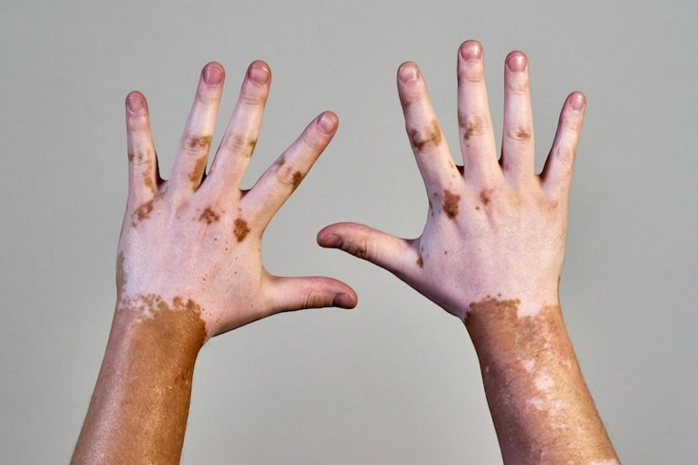
Many people actually know vitiligo is an autoimmune condition. The immune system, by mistake, attacks melanocytes, and this causes pigment loss. Misdirecting the immune system actually is not the only cause for vitiligo.
Common contributing factors include:
- Possibility due to genes
- Stress in the mind or body
- Stress from oxidation
- An imbalance in digestion
- Problems with hormones or metabolism
These factors explain why vitiligo treatments act differently per person and why methods fail.
How UV Therapy Works in Vitiligo
UV therapy, narrowband UVB, has long been used to treat vitiligo. It works by activating melanocytes and creates pigment in the actually affected spots.
UV therapy has these key, precise characteristics.
- Action directly on the skin
- Stimulation of pigmentation over time
- The need for multiple sessions
- Very close medical oversight
Even though UV therapy can help with skin colour loss, it can’t directly fix immune system imbalances.
Limitations of UV Therapy When Used Alone
UV therapy can indeed be helpful, but some patients have problems when they only use it.
These may include:
- Not enough or uneven repigmentation
- Recurrence after therapy is over
- Skin irritation after long-term exposure
- Little effect on the formation of new patches
These problems show how important it is to have supportive internal care along with UV therapy.
The Role of Homeopathy in Vitiligo Care
Homoeopathy looks at vitiligo from the point of view of the whole body. It not only helps skin but also digestion, stress, and immune system balance.
Homeopathy really aims for things.
- Change how the immune system acts
- Become more tolerant of stress
- Help your body’s digestive and metabolic health.
- Improve stability over the long term
This focus on the inside goes well with UV therapy’s effect on the outside.
Why Combining Homeopathy with UV Therapy Makes Sense
UV therapy and homoeopathy work on different parts of the condition when used together. Homoeopathy works on the inside to keep the immune system stable, while UV therapy works on the skin’s pigmentation.
This combination may help:
- UV therapy should work better.
- Lessen the chance of getting new patches
- Improve the skin’s overall resilience
- Back up long-term stability
They can live together without direct conflict as long as they are properly supervised because their mechanisms are different.
Safety Considerations in Combined Treatment
When combining treatment methods, safety is very important. Homoeopathy doesn’t hurt you and doesn’t use chemicals that react with UV light.
Important safety principles include:
- Dermatologists should always be in charge of UV therapy.
- Homoeopathy should only be done by trained professionals.
- Regular checks should be made on the skin’s response.
- The intensity of treatment should be slowly changed.
The combined approach is usually well tolerated as long as these safety measures are taken.
Managing Skin Sensitivity During UV Therapy
During UV therapy, some people’s skin gets dry or sensitive. This could cause pain or mean stopping the treatment.
Homoeopathy often helps skin tolerance by making the body more balanced. Many patients find that their skin can handle UV light better as their stress and immune sensitivity go down.
Emotional Stress and Treatment Outcomes
Emotional stress can make UV therapy less effective by making the immune system attack again. Stress may also make it more likely to relapse after you have seen progress.
Homoeopathy treats emotional patterns like worry, fear, and mental stress that last for a long time. Better emotional balance often makes treatment more consistent and improves outcomes.
Digestive Health and Immune Regulation
Digestive imbalance can cause weak immunity and ongoing issues. Bad digestion means UV therapy might not work long-term, sadly.
Homeopathic assessment often includes digestion because:
- Better gut balance helps keep the immune system calm.
- Better absorption helps get rid of age spots
- Less inflammation makes relapse less likely.
This internal support makes the treatment plan stronger as a whole.
What Patients Should Expect from a Combined Approach
Patients who use a combination approach should know that they will see results over time.
Typical progression includes:
- Stabilisation on the inside before change can be seen
- New patch development is being slowed down or stopped.
- Slow and uneven repigmentation
- Higher levels of emotional health
Expectations should be centred on stability rather than quick changes that only look different.
Importance of Coordination Between Practitioners
Coordination is very important for combined care to work. The roles of dermatologists and homeopaths should be made clear to each other.
This ensures:
- The right amount of UV light
- The right time for sessions
- Regularly keeping an eye on progress
- Keeping from having too much overlap
Clear communication makes people feel safer and more confident.
Structured Care and Follow-Up
A lot of patients like structured settings that help with integrative care. Homoeopathy for vitiligo in Madurai focuses on long-term plans, not fixes.
Regular check-ups allow changes to be made quickly and avoid setbacks honestly.
Patient Education Improves Outcomes
Patients stick better when they actually understand how therapy works, honestly. Fear and unrealistic expectations go down when you get educated.
People who know about vitiligo in homoeopathy usually use a combination of care that is patient and clear, which helps the results last longer.
Lifestyle Support During Combined Treatment
When you combine UV therapy and homoeopathy, your lifestyle habits have a big effect on how well it works.
Helpful practices include:
- Sleeping at regular times
- Diet that is balanced
- Taking care of stress
- Care for your skin gently
- Keeping away from sudden changes in lifestyle
These habits make both types of treatment work better.
Managing Plateaus and Slow Phases
There are often when nothing changes or changes slowly. These stages don’t always mean that something has failed.
During plateaus, homoeopathy often keeps supporting internal balance. This gives the body a chance to solidify changes before they become more noticeable.
Long-Term Maintenance After UV Therapy
Maintenance is important after a course of UV therapy is over. Internal issues that last cause relapses to happen over time, honestly.
Homoeopathy is kept for balanced support, reducing relapse risk stably.
Redefining Success in Combined Care
Success does not always mean complete repigmentation. For many patients, success includes:
- No more spreading
- Skin that doesn’t change
- Less anxiety and stress
- Faith helps daily living better, honestly.
It defines a long recovery focus beyond a short image fix.
Combining UV therapy with homoeopathy balances ways of managing vitiligo thoughtfully. UV removes skin pigment while homoeopathy controls stress, immunity, and strength. This method is quite safe and helpful under the right care.
Knowing causes and integrative care keeps vitiligo treatment stable. With structured help from options like homoeopathy vitiligo treatment in Madurai and knowledge from people who know about vitiligo in homoeopathy, patients can take a calmer, safer, and longer-lasting approach to managing vitiligo well.