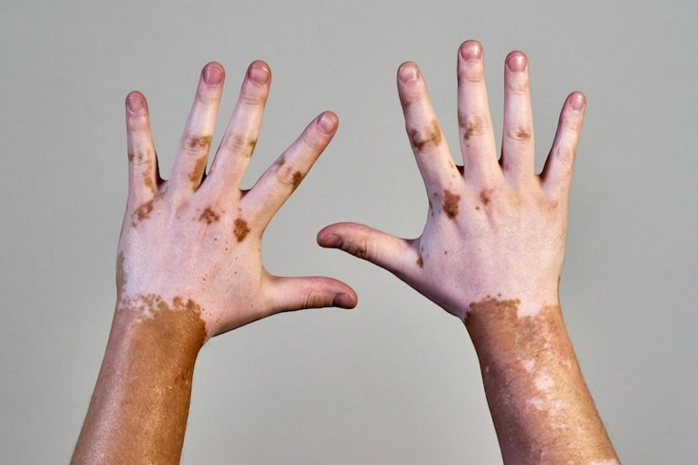
Vitiligo is a lasting skin condition that appears as white spots on the body. It occurs when melanocytes do not produce melanin well over time.
Vitiligo is connected to autoimmune problems and oxidative stress from recent research. Long-term pigment steadiness in chronic disease may be influenced by emotional stress and genetics.
Because of visible lesions, many patients feel emotional pain. Social interactions and public attention can be stressful during prolonged skin disorder management, both physically and emotionally.
Why Holistic Dermatological Care Matters
Holistic care looks at the whole person not just their skin issues. Emotional health and healthy habits can affect disease length and skin disorder care.
Many patients would rather receive supportive care than just aggressive cosmetic procedures. Long-term support and realistic goals can help boost emotional confidence during tough emotional and practical vitiligo management journeys.
Dermatological observation usually involves watching lesion borders and pigmentation patterns closely. Emotional stress and sleep quality might also affect inflammation in long-term autoimmune disease.
Some practitioners focus on stabilization before pigmentation recovery. Slowing down the activity of lesions may become an important therapeutic goal during long-term management of an inflammatory skin disorder and close, supportive observation.
Homeopathy and Individualized Observation
Homeopathy does not treat vitiligo based only on symptoms but considers total health. Before starting a supportive plan, professionals closely check the patient’s emotions and sensitivities.
Discussions about digestion and sleep quality are frequently included in consultations. Long-term therapeutic observation during the management of a chronic autoimmune skin disorder may also be affected by how people react to stress and their emotions.
Many people with vitiligo appreciate detailed consultations when they need to be treated for a long time. Feeling truly heard may increase emotional comfort and confidence during the difficult process of observing a chronic illness in a practical and emotional way for long periods of time.
Some homeopaths also carefully consider genetic factors. During long-term management of a pigmentary skin disorder, family history can sometimes affect how quickly a lesion gets worse and how much inflammation there is.
Immune Dysfunction and Pigment Stability
In vitiligo, the immune system often attacks melanocytes by mistake because it is inflamed. This repeated immune response gradually damages cells that make pigments over long periods of time in sensitive skin regions, both continuously and clinically.
After emotional stress or sickness, many patients see their lesions worsen. Not sleeping enough and bad habits can make the immune system less stable long-term.
In homeopathy, the focus is usually on regulating the whole body, not just appearance. You know stress can change how pigments stay stable over time.
People with vitiligo who are looking for ways to get better often prefer gradual and supportive care models. Long-term observation is typically important during challenging practical and emotional journeys of managing a chronic skin disorder.
Emotional Health and Disease Progression
Chronic autoimmune skin disorders are strongly influenced by stress. Many patients notice that their lesions get worse after stress, grief, stress at work, or emotional trauma, which significantly changes the balance of inflammation inside the body and over time.
Visible white spots may also make you feel insecure when you’re with other people. When someone has a long-term skin disorder and is being socially observed, answering the same questions about their appearance repeatedly can make them feel less confident.
Discussions of emotional health are frequently included in homeopathic consultations. Practitioners may look into irritability and sadness because emotional patterns can sometimes change the course of a disease and the balance of inflammation over a long period of time.
During protracted vitiligo management, many patients experience emotional isolation. Because of this, supportive communication and setting realistic expectations become important during treatment for a chronic autoimmune disease and therapeutic observation over time.
Observation Based Supportive Care
Vitiligo often gets worse over time. Some lesions stay put and others move randomly when inflammation happens.
Doctors check for changes in pigmentation and lesion edges, often you know. In long-term follow-ups, doctors also check your emotional health and progress.
Photographic tracking can help people see small changes more clearly in some cases. Small spots of color or stable lesion edges may show that things are getting better after a long period of therapeutic observation, both physically and emotionally.
Long-term monitoring helps patients keep their hopes in check, you know. People with autoimmune diseases need time for cosmetic improvement, you know.
Lifestyle and Inflammatory Balance
Long-term skin stability during the progression of a chronic autoimmune disease may be influenced by lifestyle balance. Poor sleep and emotional exhaustion may significantly increase inflammatory stress during prolonged vitiligo observation continuously over extended periods of time.
During long-term management, many professionals advise supportive daily routines. Stable schedules and healthy habits help your mental health when dealing with skin issues.
- You know, getting good sleep may help keep your hormones balanced.
- Stress management techniques may help lower inflammation you know.
- Foods rich in antioxidants are good for your skin you know.
- Not smoking can improve blood flow and skin stability you know.
People with vitiligo who want to treat it without side effects often choose supportive and gradual observation. Long-term management usually calls for patience and setting reasonable goals that are met over time.
Pediatric Vitiligo and Emotional Support
Kids with vitiligo need emotional care and medical attention you know. During important years, parents worry about their kids’ confidence and well-being you know.
Support for kids mostly involves watching their condition get better over time. Emotional tendencies and genetic factors are often talked about during long-term therapy and regular supportive follow-up sessions.
Some childhood lesions don’t get worse for years and don’t change much. Others develop gradually over time when there is long-term emotional stress or an inflammatory imbalance that affects the stability of pigments inside the body.
For long periods of time, children also need emotional support. Supportive communication with family may boost confidence during observation and therapy follow-up for a chronic skin disorder, both in the short and long term.
Choosing Personalized Long Term Care
When managing autoimmune diseases, it is vital to choose experienced doctors. Before starting long-term observation, patients should check the communication quality and follow-up structure.
People who are looking for the best vitiligo specialist in India often want one-on-one consultations and helpful communication. When managing a chronic skin disorder over an extended period of time, balanced advice may boost confidence.
Patients looking for vitiligo treatment in Mumbai frequently value realistic expectations and gradual observation. Supportive follow-up can help people with skin disorders feel more confident you know.