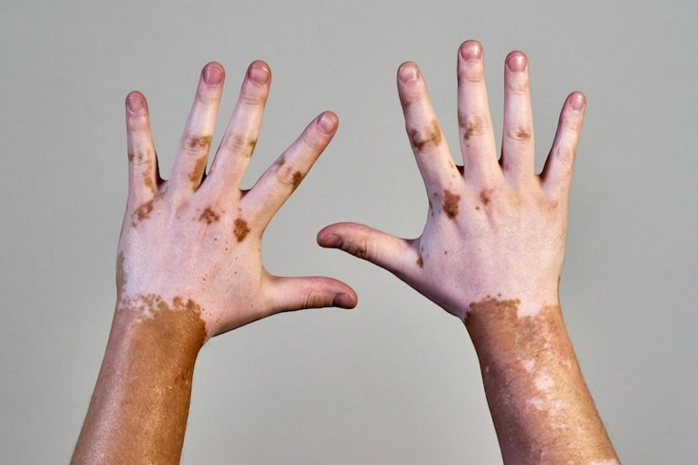
Vitiligo impacts melanin and actually causes patches on the skin. Herbal teas help your skin health. Let us explore ways herbal teas, with other methods, can help vitiligo.
Introduction to Melanin and Skin Balance
Melanin controls the pigmentation of skin, hair, and eyes. Vitiligo happens when melanin cells are gon, causing depigmentation. Keeping melanin healthy is key to balancing skin with vitiligo.
Drcheena treatments focus on improving skin and balance. Herbal teas with treatments actually help overall skin health. Balance needs full plans for melanin production and skin health.
The Role of Herbal Teas in Promoting Melanin Health
Herbal teas have antioxidants and help skin melanin. These teas reduce stress while fighting damage from oxidative stress.
Herbal teas and treatments work best together for vitiligo. Skin health blends inner care with outside treatments. Drinking tea and living well boost melanin and skin clarity.
Top Herbal Teas for Skin Wellbeing in Vitiligo
Here are teas helping skin and melanin health. Each has properties that help those with vitiligo.
- Chamomile Tea: Basically, natural soothing and anti-inflammatory benefits. Relieves skin irritation and stress-like issues, basically.
- Green Tea: Packed with antioxidants that protect melanin cells. It repairs and boosts well immunity of your skin.
- Turmeric Tea: Contains curcumin, which promotes skin balance. It helps you reduce stress in people.
- Licorice Root Tea: Known for its skin-brightening properties. Licorice clears dull skin and brightens skin, actually.
- Peppermint Tea: Great for reducing inflammation and stress. It balances hormones and tones your skin.
Use these teas in skin routines for better results. Match teas with drcheena treatments or other therapies.
Chamomile Tea: Skin Gets Gentle Care
Chamomile tea relaxes the skin and body. Antioxidants actually improve texture and soothe skin inflammation.
Chamomile well relaxes and soothes your daily stress. Many find this valuable because stress can worsen vitiligo conditions. With the right treatments, it calms skin and reduces flaring.
Chamomile hydrates and helps skin firmness. Chamomile with skin regimens like light therapy gives results.
Green Tea and Its Antioxidant Properties
Green tea is a skin hero. Catechins well support antioxidants to heal and protect skin. It boosts melanin and fights radicals, basically well.
Green tea reduces inflammation, boosts immunity glow. Its compounds help melanin activity and pigmentation for vitiligo. Topical green tea and treatments boost skin radiance.
Green tea becomes an important addition to your diet when skin issues persist. Balanced beverages paired with clinical treatments effectively bring harmony.
The Benefits of Turmeric Tea for Skin Conditions
Turmeric tea has curcumin benefits and anti-inflammatory pigment. Turmeric tea fights stress and balances skin for best vitiligo treatment in Mumbai.
Turmeric tea helps with discolouration with regular use and regeneration. Drinking turmeric tea in tandem with medical therapies or drcheena® Homeopathic Vitiligo Treatment maximises results for those who want to know about vitiligo in homeopathy.
Curcumin helps prevent excess damage from cellular wear, ensuring better balance visibly. Skincare lovers and doctors know turmeric for wellness.
Licorice Root Tea: Balancing and freshening skin.
Licorice tea helps with melanin and natural skin tone. When consumed regularly, it refreshes dull skin by improving blood flow to delicate skin cells.
Key compounds within licorice influence pigmentation levels, especially necessary for vitiligo-related discolouration. Balancing skin colour through naturally supportive measures becomes easier as this tea promotes recovery.
Licorice root works best alongside scientifically proven remedies like drcheena®. It complements topical treatments without harsh chemicals by offering internal harmony.
How Peppermint Tea Assists in Managing Vitiligo
Peppermint tea is refreshing and good for the skin. It soothes imbalances tied to skin health greatly. Hormonal imbalance sometimes aggravates pigmentation issues in individuals suffering from vitiligo treatment. Peppermint tea indirectly supports consistency by improving overall habits through mental boosts while reducing inflammation.
Alongside therapies like phototherapy or laser-based approaches, infusing such simple teas broadens progress that feels sustainable long-term! Natural blends combined professionally strengthen outcomes.
Holistic Approaches: Combining Herbal Teas and Skincare
Herbal teas with drcheena routines give a full vitiligo treatment plan. Diet teas and medical help bring good results. Skincare must balance inner nourishment with external care.
Herbal teas serve as a foundation of internal nourishment. Alongside regulated topical or surgical treatments, this dual approach shows enhanced results for pigmentation management.
Building habits around daily inclusion of teas with clear custom treatment plans diversifies benefits stronger than focusing solely on medications.
Tips to Incorporate Herbal Teas into Your Daily Routine
Adding tea to life helps the skin easily.
- Try swapping coffee for chamomile or green tea.
- Drink peppermint or turmeric tea for easy digestion.
- Have basically licorice tea in the evening for a clear mind.
- Drink teas between meals regularly for routine.
- Combine herbal teas with doctor treatments for synergy.
Herbal teas connect self-care to glowing dermatology.
What are the benefits of herbal teas for individuals with vitiligo?
Herbal teas help to reduce damage like inflammation melanin. These teas complement medical interventions, reinforcing clearer outcomes toward balancing pigmentation linked to vitiligo effectively.
Can herbal teas help balance skin tone affected by vitiligo?
Yes, combining herbal teas with therapies like drcheena® addresses pigmentation deficit. Teas indirectly balance skin tone by regenerating tissue resilience naturally.
How do antioxidants in herbal teas contribute to skin health?
Melanin cells are saved from radicals by antioxidants. They improve the longevity of treated layers visibly radiant, often when paired aptly!
Are there any side effects of consuming herbal teas regularly?
Moderate consumption safeguards benefits without the harmful extreme reliance typically. Some herbs might interfere with medications, so regular moderation remains advisable to avoid conflicts, thus safely supportive.
Incorporating herbal teas holistically represents simple, actionable ways to balance both dermatology complexity efforts seamlessly!