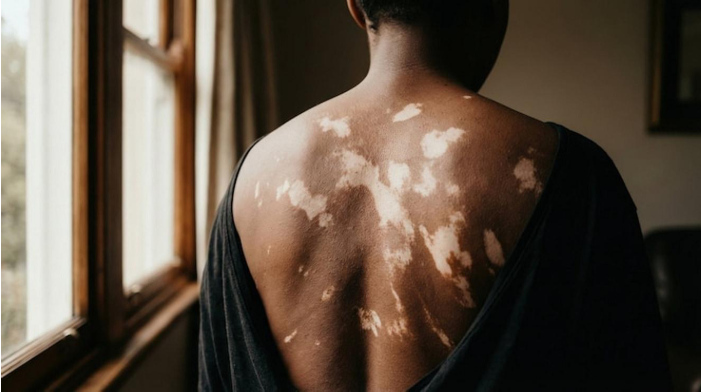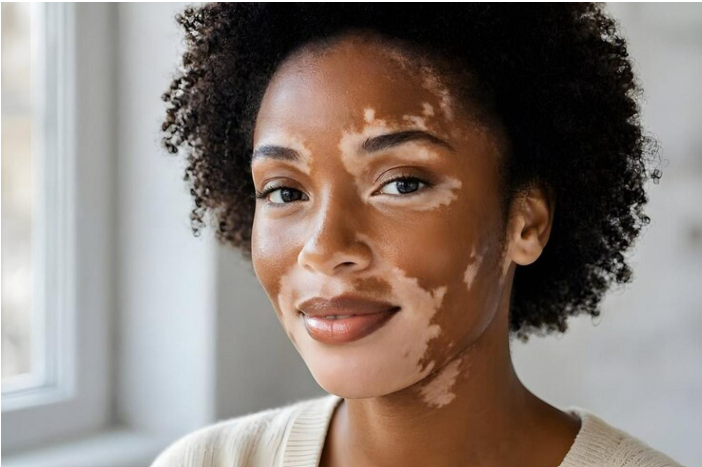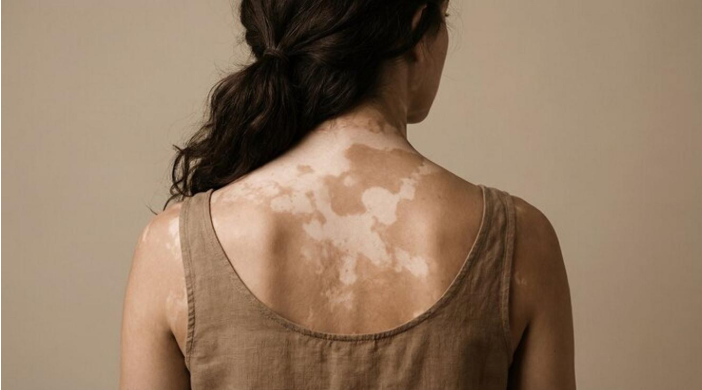
Vitiligo can affect your skin in several different ways. Knowing the signs early on can help sufferers get to proper treatment much faster. By familiarizing yourself with patterns, triggers, and noticeable changes, you can consult with a dermatologist about white spots on the skin and determine what type of vitiligo treatment in bangalore may work for you.
What Causes Vitiligo to Appear in Different Patterns?
When melanocytes die or stop functioning, vitiligo occurs. However, why this happens to someone can differ from case to case. Gene changes, autoimmune responses, stress, and trauma to the skin are just some factors that determine where white spots will initially appear and how they will spread.
Vitiligo may start as small isolated spots for some people. Others may experience large sections develop at a much faster pace. It typically depends on the type of vitiligo you have and whether or not it is progressive.
- Since vitiligo affects every individual differently, take note of your symptoms. Your dermatologist will take note of where the white spots are located on your body, the contrast of colors, and whether they are symmetrical before recommending that you monitor the areas or start treatment.
Segmental Vitiligo
Segmental vitiligo usually appears on one side of the body and follows a narrower area than other forms. It often begins earlier in life and may stabilize after an initial period of spread, making its behavior somewhat predictable.
The patches may affect the face, arm, leg, or torso in a bandlike arrangement. Hair in the affected region can also turn white, which helps distinguish this type from generalized forms that spread more broadly.
People with this pattern often ask about long-term control rather than rapid expansion. That is why timely evaluation is useful when considering vitiligo treatment choices tailored to stability and appearance.
Non Segmental Vitiligo
Non-segmental vitiligo is the most common form and usually appears symmetrically on both sides of the body. It may start on the hands, face, elbows, knees, or around body openings before slowly enlarging or multiplying.
This type often progresses in waves rather than following one fixed route. Periods of change may be followed by quiet phases, which makes regular observation important for understanding whether new patches are developing.
- Symmetrical patches on both sides
- Commonly affects face and hands
- May spread gradually over months
- Often linked with autoimmune tendencies
- Needs consistent monitoring over time
Because this form can be unpredictable, patients benefit from early guidance and realistic expectations. A specialist can help match care plans with visible progression instead of relying only on guesswork.
How Does Localized Vitiligo Differ?
Segmental vitiligo shows up as localized patch development in one area of the body as opposed to multiple areas. The localized pattern means that it may remain confined to that area for many years, which can make it simpler to monitor; however, it should still be evaluated by your doctor.
Segmental vitiligo is also sometimes called focal patterns. This means that you only have one or a few spots that haven’t taken on a more generalized distribution. These smaller patches may still warrant evaluation, as early intervention may prevent progression in some cases.
- Small spots localized to one area of the body
- May not progress for years
- Relatively simple to track by eye
- May cause significant psychological distress
- Should be evaluated by your doctor promptly
Just because you have less obvious patches does not mean segmental vitiligo does not bother you. Many people feel self-conscious about their vitiligo when they have a patch on a visible area such as their face or hands.
Universal Vitiligo
As the name implies, universal vitiligo occurs when pigment is lost in most areas of the skin. It is not as common as other types, but can cause significant cosmetic concern as large portions of skin become lighter.
It may occur after years of progression from smaller patches. In universal vitiligo, you may have very little pigment left. Maybe only on islands within larger patches of lost color or perhaps on small sections on your face.
You may also have concerns about camouflage makeup and sun protection when you have lost pigment on most areas of your body. Treatment plans may focus more on these areas as well as comfort, skin care products, and emotional wellness instead of focusing on repigmentation.
What Signs Should You Notice Early?
Spotting the signs of vitiligo can be difficult because they can be so small at first. You may see small white patches:
- Developing after sunburn or minor skin trauma.
- Where one area of your skin gets more sun than the rest.
- They fade over time, and you begin to notice them against your skin.
The border of these patches can be very distinct or vague. It depends on the type of vitiligo you have. You may also notice your eyelashes, eyebrows, beard, or hair on your scalp becoming lighter in color before you notice larger patches of lost pigment.
- In the surrounding area of the patch.
- After being in the sun.
- Around recent cuts, or where skin experiences friction.
- Appearing on your skin without any irritation.
Remember that not all patches of lost pigmentation are vitiligo. Never self-diagnose. If you notice any changes to your skin that do not go away or continue to develop more spots, seeing a physician can rule out other causes and help you reach a treatment decision faster.
Why Location Matters so Much
Areas involved with vitiligo may influence treatment options or counseling the patient. For example, vitiligo around the face may catch attention sooner due to difficulty in covering it up, as opposed to lesions on the hands, which may bother a patient during social interactions throughout the day. Lesions that occur on the lips also create noticeable differences in colour contrast, which may require more meticulous treatment techniques.
As many patients will search online for effective treatment for lip vitiligo, they hope to find treatments that can be used on the sensitive skin of the lips.
Treatment can go faster in some areas compared to others, like the palm/sole, which have thicker skin. Areas that are rubbed frequently may take longer to see improvement. Areas that are exposed to sun frequently can go faster as well. A doctor can counsel you on what to expect from each area.
How Is Vitiligo Evaluated by Specialists?
- Skin examination
- Patient’s history (family history, onset, rate of progression, Associated autoimmune disorders, if any.)
- Follow up
- Skin exam under normal lighting
- Wood lamp exam
- Family history
- Associated autoimmune disorders
- Follow up to note progression
Having good clinic notes allows doctors to map out the condition better. Not all white patches are vitiligo, but looking for certain clues can help differentiate if the condition looks segmental or non-segmental and if it is localized or more generalized.
Which Treatment Paths Are Commonly Discussed?
Treatment depends on type, location, age, progression speed, and patient goals rather than one universal formula. Options may include topical medicines, light-based procedures, camouflage methods, counseling support, or combined approaches designed around visible response over time.
People sometimes ask whether natural therapies alone are enough. In practice, many specialists discuss evidence-based care first while respecting individual preferences if someone wants homeopathy vitiligo treatment in Madurai alongside medical guidance from qualified professionals.
Sun protection remains essential because unpigmented skin burns easily, and contrast becomes more noticeable after tanning of surrounding areas. Consistent protection does not cure vitiligo, but it helps preserve comfort, appearance, balance, and skin health during ongoing care decisions.