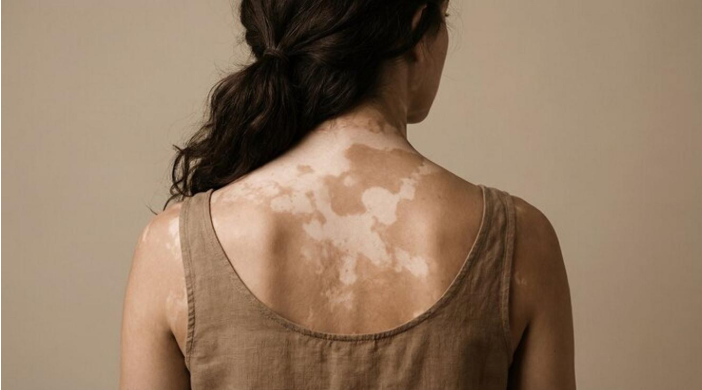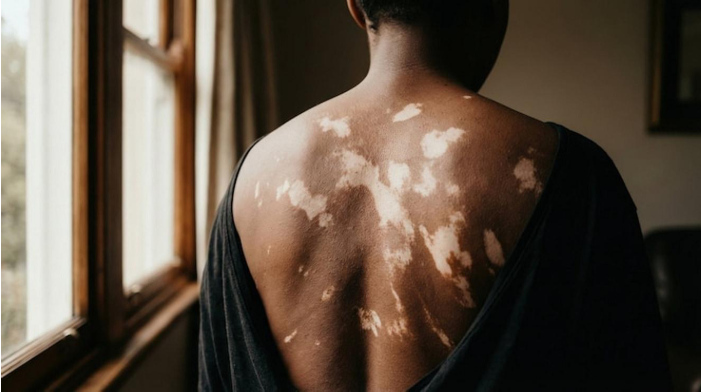
When you find out you have vitiligo, it can be very overwhelming. You get these white patches that appear out of nowhere, and there are many opinions online about how to treat them. Here is some general information on Vitiligo and treatments to know before trying anything. If you’re looking for a dermatologist for white spots.
What Vitiligo Really Means
As previously stated, vitiligo is a loss of pigmentation on your skin. It is not something that is passed on from person to person or caused by unhygienic habits. Most commonly, it will appear on one’s face or hands but can also appear on the skin near your genital area.
Anyone can develop vitiligo. However, if you have family members who have it or are prone to autoimmune diseases, you are more likely to develop it. The way it spreads differs from person to person; some may see their white patches grow slowly over the course of many years, and others may develop vitiligo faster. Since there are many ways to describe the spread of this condition, Vitiligo Specialists will usually examine you before giving you treatment advice.
Knowing that you have vitiligo is important because there are other reasons why you may have white spots on your skin. Once diagnosed, you will know how to proceed and find a solution.
Why Early Diagnosis Matters
Knowing your vitiligo at an early stage can allow you to have more time when dealing with treatment. Your doctor may be able to help prevent your vitiligo from spreading and allow it to regain color. Having an earlier diagnosis can benefit your medical situation as well as your mental state.
They will most likely examine you under a lamp and see if there is any family history of vitiligo or other signs of autoimmune diseases. There could also be blood work to determine if you may have another illness.
- Knowing you have Vitiligo can help with your treatment plan
- Can determine if your vitiligo is stable or still progressing
- May find what’s triggering your vitiligo
- Rule out other autoimmune diseases
- Help diagnose if you actually have vitiligo or not
It’s best to know if you have vitiligo so you can take action. If you think you may have vitiligo, it’s always better to go see a professional.
Which Treatment Options Exist?
There are many different options for vitiligo treatment. It will depend on your age, where the patches are located, how far they have spread, and if it’s considered active. Some will only require a topical cream, while others may be better off doing light therapy or both. Everyone is different, so there is no set rule on what to do.
Your doctor will probably tell you about using steroids. Calcineurin inhibitors, UVB Light Therapy, and in some cases surgery. There are other options as well to help you through this process. You can use cover-up products and sunscreen to help you while you are waiting for treatment to work.
- Use of Topicals for smaller patches
- Light Therapy for more spread-out patches
- Surgery can be used in some patients with stable vitiligo
- Sunscreen can help prevent surrounding skin from getting darker
- Cover-up products can help with self-esteem.
Treatment plans will vary. Make sure to talk to your doctor about what they think would be best for you. Most likely you will have to do more than one thing to see results. Keep in mind this process takes time.
How Do Specialists Choose a Plan?
Whether your vitiligo is active or static can play a role. Your age as well. The area on your body that’s affected and how much color is left. All these factors come into play when finding what may work best for you.
The face usually responds quicker than hands/feet. So if your child has patches on their face, they may see better results than someone who is older with patches on their feet. When you find a good dermatologist that treats white spots, they should be able to tell you this information about your body.
- More likely to respond to treatments
- Harder areas to regain pigment
- Young children vs. adults will have different treatments
- More appointments to monitor your skin
- Can try more treatments when static
As mentioned above, there are many things to consider when trying to treat vitiligo. Always ask questions if your provider gives you a treatment plan that doesn’t seem right for you.
What Should You Ask Before Starting?
Ask how much improvement you can expect on your skin. Some people may need color back in their skin but may get some improvement as well. It’s better to know so you don’t feel disappointed.
You can also ask about any side effects that may occur, how many times to apply medication, if there are any sun restrictions, and when to come back for another visit. When researching vitiligo cure in India make sure you are asking about these facts instead of getting sucked into false hope.
- How fast will my patches start to show color
- Side effects that can happen from each medication
- Is light therapy something I should do as well
- When should I go back to the doctor
- How much it will cost over time
These are good questions to ask your doctor. It will help you understand what is expected of you and allow you to take the proper actions needed.
Can Lifestyle Help Alongside Treatment?
You can’t use lifestyle changes to treat your vitiligo but they can help you out with treatment. Keeping yourself out of the sun so you don’t burn will help minimize the difference between your skin and the vitiligo spots. It’s also good to use sunscreen to keep the surrounding skin from getting darker while your patches heal.
Keeping stress low can be beneficial. Some may find that they flare up more during stressful periods. Getting enough sleep, working out, and eating balanced meals won’t directly affect your vitiligo, but it can keep your body healthy. Make sure you’re using non-abrasive skin products.
- Sunscreen every day will help keep changes less noticeable
- Keep skin that’s sensitive protected
- Manage your stress to live a healthier life
- Eat healthy to keep your body healthy
- Get plenty of sleep
It’s better to make these small changes every day instead of when you feel worse. Think of them as ways to improve your environment for your treatment.
Does Alternative Medicine Help?
Many individuals look into alternative medicine if they feel their condition is progressing too slowly. Whether homeopathy can cure vitiligo is something many people research as well. There are some who believe that using these types of methods can benefit you less.
Currently, there isn’t any evidence to support that homeopathy will cure vitiligo. However, if you use these practices, you may find that they help with your journey. Do not rely on them to get you out of your condition completely.
If you would like to try some of these practices, let your physician know. They will be able to inform you if any of them will conflict with your current medication. Always keep an open dialogue with your doctor so you don’t lose time trying methods that have no backing.
How Long Does Treatment Usually Take?
It can take several months to see results with vitiligo. You may see the outer parts of the vitiligo start to regain color first. Once your body stops the spread of vitiligo, you can begin to see more changes.
There are many factors that play into how fast you see results. It all comes down to if your vitiligo is active and how consistent you are with your treatment plan. Make sure you don’t skip any treatments or apply cream if directed by your doctor.
They will want to evaluate you after a few months to see if it’s worth continuing treatment or if changes need to be made. Don’t jump from treatment to treatment hoping for instant results. This will only hinder your ability to see if the treatment is working for you.