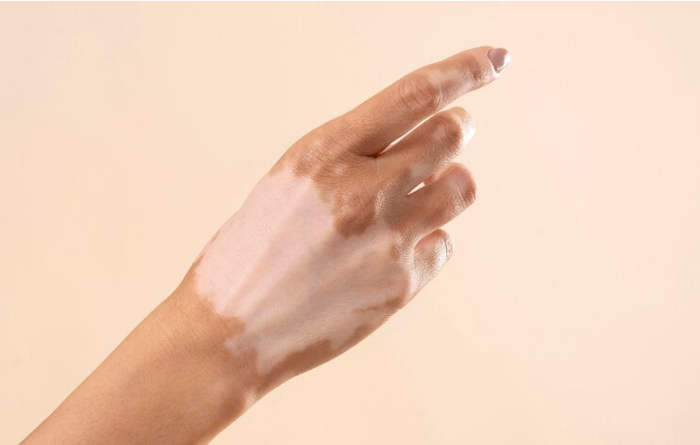
With vitiligo, skin color changes you know not just that. People with white patches deal with anxiety, stress, and you know other things.
Many patients spend years trying creams and you know they do not realize. More than most people anticipate, that stronger effect alters daily habits.
Whole person medicine takes a different approach to vitiligo because they don’t separate the skin’s emotional and physical experiences from the rest of the body. This is where traditional homeopathic ideas typically come up naturally in the conversation.
Understanding the Homeopathic Framework
Homeopathy you know, emphasizes personalized evaluation not just treatment plans. Practitioners look at lifestyle habits, sleep quality and you know other things.
Patients who are sick of brief consultations are interested in that broader evaluation. Many people value in-depth questions about emotional health not just patches.
Homeopathy says each person reacts to illness in unique ways, you know. Two people with similar vitiligo patterns you know, may get different treatments.
Why Emotional Health Keeps Appearing in Consultations
Patients say their condition worsens during stress you know in treatment. In evaluations, issues like work stress, grief and family strife come up.
This link does not mean emotions cause vitiligo or you know something. Still, emotional stress may affect how people feel about progress, recurrence patterns, and confidence during long-term treatment paths that involve changes in how they look.
Emotional assessment is often a part of whole person approaches because mental health and physical health don’t usually work separately in real life. During long-term care pathways, patients typically value that bigger picture.
The Challenge of Unpredictable Progression
Vitiligo doesn’t always act in a straight line. Some patches don’t change for years, while others spread out of nowhere after being stable for a long time. That uncertainty makes patients angry because they are desperately looking for set dates and outcomes that they know they will get.
People get tired of switching therapies, you know when no progress happens. Marketing claims promise change in an impossible time and you know leave people sad.
Care pathways encourage patient observation and education you know not panic changes. Being consistent is more important than trying new things without a plan you know.
Why Individualization Matters So Much
People with vitiligo often look online for one medicine that works for everyone. Practitioners think constitutional differences affect treatment responses so classical homeopathy rejects that idea.
Before choosing a remedy, a doctor looks at sleep problems, food preferences, emotional behavior, heat sensitivity and stress responses. That is why people with the same skin type do not get the same prescriptions during consultations.
Honestly, this personalized approach makes many first-time patients feel confused. People want easy answers but in homeopathy, personal observation matters more than charts.
Whole-Person Evaluation During Consultations
Comprehensive consultations frequently cover more than just visible depigmentation. Practitioners usually look at bigger emotional and physical patterns to figure out how different internal and external factors can affect vitiligo conditions that don’t go away.
- Emotional stress and how people deal with it
- Sleep quality you know and persistent fatigue.
- Digestive discomfort or weird changes in appetite.
- Having a family history of autoimmune diseases like is important.
- Climate or sunlight sensitivity you know this matters.
Patients like these in-depth exams because they feel understood not like another case.
Discussions Around White Patch Remedies
A lot of people who have white patches specifically ask about homeopathic medicines because they want supportive care methods that are easier to deal with over time and individualized treatment plans for long-term conditions.
Classical practitioners usually don’t make public suggestions for universal solutions before doing a thorough constitutional assessment first. Even if two patients have the same skin loss, their emotional states and progression may differ.
People looking for a vitiligo cure in India frequently choose clinics that offer close monitoring and personalized prescriptions. Long consultations and scheduled follow-ups tend to build trust during emotionally difficult long-term treatment journeys.
The Emotional Weight of Visible Patches
In subtle but strong ways, vitiligo makes people less confident. Some patients avoid photos, public events, or certain clothing styles because they are afraid of being asked awkward questions about the light spots that show up on their skin.
That emotional load can be heavier than the physical condition for sure. Long-lasting self-awareness without reassurance changes how people act in social situations and at work.
In whole person medicine, these emotional struggles are openly talked about you know not brushed off. When doctors understand the psychological aspects of long-term skin conditions that can be seen, patients often feel better.
Lip Vitiligo Often Creates Extra Anxiety
Depigmentation on the face usually gets more attention than spots that are hidden under clothes, especially in places like the lips that are easy to see. Lip vitiligo patients often say it’s hard on their emotions because hiding it gets harder every day.
Because facial areas may react differently than larger body regions with depigmentation patterns, people looking for the best treatment for lip vitiligo frequently look for methods that emphasize careful monitoring and individualized management.
Face vitiligo is usually carefully watched by doctors through regular follow-ups. Small changes around the lips can really affect confidence for sure. That is why it is really important to give emotional support during treatment.
Why Patience Remains Central
Patients with vitiligo naturally want to see results quickly, especially when the condition has a big effect on their confidence. Sadly, pigment recovery does not always happen on time even with good treatment.
For some first, there is stabilization then slow repigmentation around hair areas. Others have uneven responses, where some areas get better while the surrounding areas stay the same for long periods of time.
Practitioners with a lot of experience usually tell their clients these facts right away because having unrealistic expectations can lead to emotional burnout. Gradual progress may still mean real progress, even if there aren’t any big changes in how you look right away.
Lifestyle Discussions Still Play a Role
Talking on the Internet about how to live with vitiligo quickly becomes too much to handle. Some sources say you have to follow very strict rules about what you can eat, while others say you should do unproven detox programs that make you more stressed out than help you in the long run.
Most professionals with a lot of experience recommend balanced routines over lifestyle changes that are based on fear. A good treatment over long times often comes from enough sleep, emotional stability, daily eating and good habits.
But that does not mean personal triggers can be ignored totally. Some people notice getting worse when they are tired, stressed, or sensitive, but it’s usually better to carefully observe than to just copy advice from the internet without any help.
Looking at Vitiligo Through a Broader Lens
Whole person medicine looks at vitiligo by recognizing that it affects people’s mental, physical, and social health all at the same time. Depigmentation is rarely just a cosmetic problem that has nothing to do with daily life for patients.
Classical homeopathic frameworks are still getting a lot of attention because a lot of people like personalized conversations, long consultations, and supportive monitoring during vitiligo treatment journeys that are hard to plan and involve changes in the skin and emotional uncertainty.
Long-term care that is thoughtful usually matters a lot more than big promises, no matter if someone chooses homeopathy or something else. People who have vitiligo often have better outcomes when they have realistic expectations, are consistently observed, and receive emotional support.