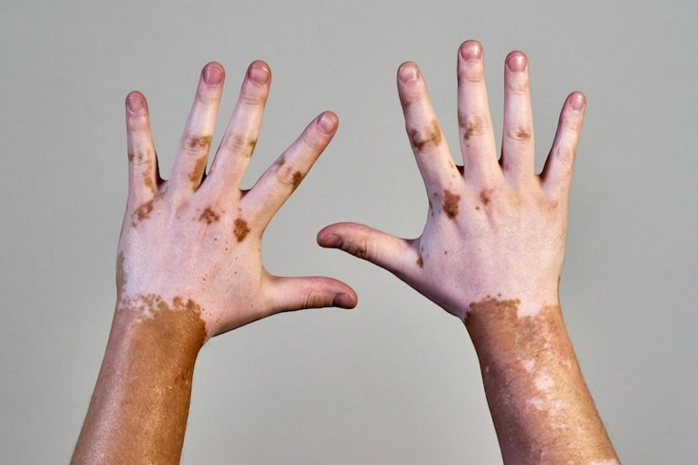
The gradual dysfunction of melanocytes in vitiligo affects skin pigmentation. When these cells that make pigments stop working, white patches appear in different parts of the body over long periods of time.
Some patients get single lesions that don’t move for years. Some spread in ways you know that are not predictable after stress or illness.
Vitiligo specialists often study how lesions act, not just how they appear. During observation, pattern change and pigment stability can show important details.
The Connection Between Immunity and Pigmentation
Stable melanocyte action and good immune responses must be present for healthy skin. Melanocyte survival can drop over time in sensitive skin when inflammation is high.
Research shows vitiligo connects to autoimmune issues and oxidative stress, you know. Emotional stress and genetics can greatly affect pigment regulation and lesion growth.
Homeopathy sees vitiligo really as a systemic issue, not just one skin spot. During long observation and support, practitioners often look at big body patterns, you know.
Many patients looking for homeopathy vitiligo treatment in India favor gradual and supportive care models. Personalized observation may boost emotional confidence during challenging autoimmune skin disorder management journeys practically.
Oxidative Stress and Skin Health
Oxidative stress may gradually harm melanocytes. This process makes it harder for pigments to be made and may have a big effect on how lesions get worse when someone has a chronic autoimmune skin disorder.
Oxidative stress can rise from poor sleep and unhealthy eating habits you know. Emotional stress and smoking can affect skin stability when managing vitiligo, you know.
During the planning process for long-term care, many professionals suggest adopting healthier habits. Having a healthy lifestyle is important when you have a chronic autoimmune disease and need to be watched and helped practically and emotionally over time.
The impact of stress on skin health is frequently underestimated by patients. Emotional stress can change the balance of inflammation and the stability of pigments over time when a disease is slowly getting worse over a long period of time.
Homeopathy and Individualized Observation
Homeopathy treats vitiligo by considering each person’s special constitution, you know. Before choosing support plans, professionals check emotional tendencies and how people sleep.
In consultations, questions often come up about digestion and how mental health is. These specifics might help professionals understand larger constitutional patterns that affect the long-term stability of pigments during long-term observation.
A lot of patients like in-depth consultations because having a chronic skin disorder can be very upsetting. Feeling truly heard may boost confidence during challenging long-term emotional and practical journeys of managing an autoimmune disease.
A homeopathy vitiligo specialist may also carefully watch how the condition gets worse over time and how it is affected by genes. These things can sometimes change how therapy is planned during long-term vitiligo care and consistent supportive observation over time.
Emotional Stress and Pigment Changes
Chronic skin conditions are strongly influenced by stress. Many patients notice that their lesions get worse after stress, grief, stress at work, or emotional trauma that changes the internal balance of inflammation and lasts for a long time.
Visible white spots may also make you feel insecure when you’re with other people. When a disease takes a long time to get worse or when someone has a chronic skin disorder, being asked about their appearance over and over can make them feel less confident.
An emotional health assessment is often a part of homeopathic evaluations. Fear, anger, sadness, and overthinking are all things that practitioners study a lot because they can change how a disease acts over time while being observed.
Many people with vitiligo feel emotionally alone when they have to deal with it for a long time. Because of this, supportive communication and setting realistic goals become important during treatment for a chronic autoimmune disease and therapeutic observation over time.
Monitoring Pigment Recovery Patterns
Every patient with vitiligo experiences it in a different way. Some sores don’t change for years. Some slowly spread after inflammation changes that affect melanocyte stability unpredictably.
Practitioners can watch changes in skin color and the edges of lesions. During long-term visits, emotional health and progress are checked regularly.
Photographic tracking can help patients see small changes that add up over time. Tiny spots of color or stable lesion edges may show that things are getting better after a long period of therapeutic observation, both practically and emotionally.
Realistic expectations are also supported by long-term monitoring. People with chronic autoimmune conditions, you know, usually need to be watched long term.
Lifestyle Factors Affecting Pigment Stability
How you live can affect your skin’s stability over time. Not sleeping well and bad habits make it hard for the body.
Besides ongoing care, many doctors suggest helpful routines. Healthier habits help manage things and improve well-being over time.
- Sleeping at regular times can help balance your hormones, you know.
- You can lower oxidative stress with high antioxidant foods, like berries.
- Anti-inflammatory immune activity may go down when you learn how to deal with stress.
- Quitting smoking is good for your skin and blood flow in general.
People with vitiligo who are trying to stop it from spreading often give up quickly. People with chronic issues need to wait and see the doctor often.
Pediatric Vitiligo and Family Support
Kids with vitiligo need medical help and emotional support, too. Parents worry about kids’ confidence and well-being during their growing years.
Individualized constitutional observation is a big part of homeopathic care for kids. Emotional tendencies and disease activity are carefully looked at during long-term therapeutic observation and consistent supportive follow-up care.
Parents expect to see changes quickly after their child starts treatment. In long-term care, ethical practitioners say slow progress takes time and patience.
Over long periods, kids need emotional support too. Talking with family can boost confidence when managing chronic skin disorders.
Choosing Supportive Long Term Care
Managing a chronic autoimmune disease means you know to pick experienced doctors. Before starting long care plans, patients should look at the quality for care.
People who are looking for vitiligo treatment in Madurai often want one-on-one consultations and positive communication. Balanced advice helps patients stay ready for managing a chronic skin disorder.
Dealing with an autoimmune skin disorder makes keeping confidence really hard you know. But supportive observation and realistic expectations can really help a lot. Many patients would rather get care slowly than be told they will look better quickly, which isn’t always possible.