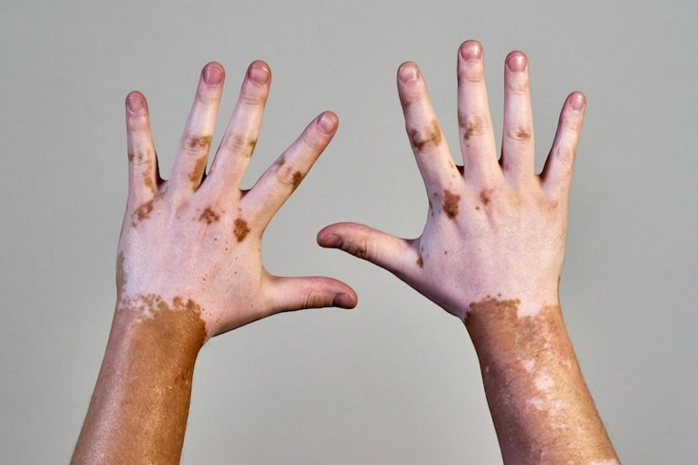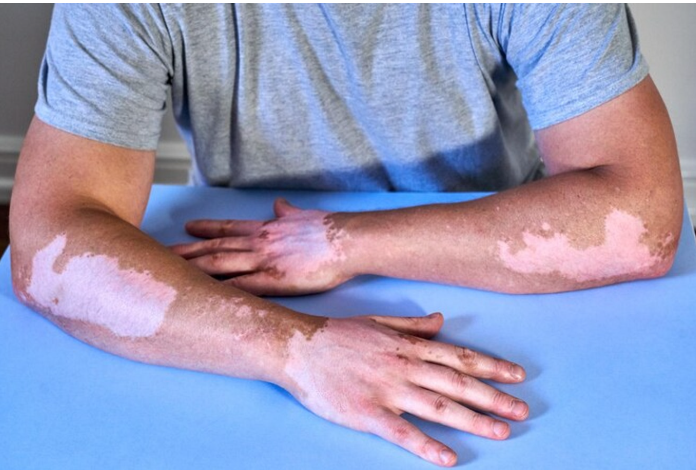
Visible white patches that gradually spread across the skin are only one aspect of chronic vitiligo.
Many patients go through years of not knowing what to do, being emotionally worn out, and being frustrated while trying different things with no clear long-term direction.
Before sudden flare-ups appear unexpectedly, some people go through stable periods that last months or even years. Others observe slow progress despite strict routines.
Patients are frequently pushed toward more general supportive care models that emphasize overall balance due to this unpredictable behavior.
People who are constantly looking for a vitiligo cure often feel emotionally overwhelmed because online information often makes big claims about changes that will happen without explaining how chronic vitiligo affects different people in different ways.
Why Immune Stability Becomes Part of the Discussion
People discuss vitiligo and mention immune ideas because it relates to autoimmune stuff. This connection shapes many modern management conversations.
Homeopathic doctors do not treat one symptom; instead, they look at the whole person. In deep talks they look at your mental health, lifestyle, stress, sleep and general ideas.
Patients like deep exams because they feel their condition gets more attention, you know.
The Homeopathic View of Constitutional Balance
Classic homeopathy really focuses on individual constitutional stuff you know. Practitioners treating chronic vitiligo look at how you feel, digest sleep and handle stress.
This personalized framework explains why two patients with patches that look very similar might get very different prescriptions. Standard medicine charts are typically avoided in traditional homeopathy for long-term constitutional conditions with complicated symptom patterns.
This surprises a lot of first-time patients, to be honest. People usually think there is only one right answer, but in classical homeopathy, individualized evaluation is still a big part of prescribing medicines and keeping an eye on patients over time.
Emotional Stress Often Influences Progression
Many people with vitiligo say their patches get worse after hard times like grief and work stress.
Not all cases of vitiligo are caused by stress you know. Practitioners often see emotional patterns affecting confidence, coping, consistency and progress.
So supportive talk is just as important as looking at the patient. Doctors treating vitiligo not just as cosmetic can help patients stay emotionally stable.
Why Lip Vitiligo Creates Extra Anxiety
Depigmentation on the face can be more embarrassing than patches that are hidden under clothes. Lip involvement is tough on emotions because it is hard to hide from others.
People looking into homeopathy for lip vitiligo want support and close monitoring.
In follow-ups, practitioners pay attention to the face because small changes affect confidence.
Long-Term Observation Matters More Than Quick Claims
Chronic vitiligo doesn’t usually respond on a set schedule. Some areas naturally level off before slowly repigmenting starts, while others stay the same, even with regular treatments and long-term monitoring periods for constitutional treatment.
Before making changes to remedies, practitioners often carefully watch border activity, stress levels, emotional strength, and pigment response. Without structured observation, sudden changes in treatment could lead to confusion rather than clear clinical direction.
People looking for homoeopathy vitiligo treatment in Madurai often choose clinics that offer regular follow-ups and practical advice over ones that make big claims about overnight cosmetic changes that can’t happen.
Common Areas Reviewed During Consultation
Most of the time, homeopathic evaluations look at more than just visible depigmentation patterns. Practitioners often look into how larger emotional and physical patterns affect long-term constitutional balance and managing chronic vitiligo.
- Sleep problems and feeling tired all the time
- Emotional stress causes and ways to deal with it you know.
- You know problems with digestion or changes in appetite.
- You know, having a family history of autoimmune diseases.
- You know how sensitive it is to sunlight or weather changes.
Patients like in-depth consultations because they feel understood, not routine.
Why Patients Seek Gentler Supportive Models
After therapies, many people feel worn out you know, emotionally and disappointed. This anger often makes people more interested in supportive treatment methods that focus on slowly observing the person’s constitutional state.
Patients who seek homeopathic care prefer to have slower, more personalized conversations about their emotional health, the balance of their lifestyle, and long-term monitoring rather than aggressive short-term intervention strategies that promise guaranteed cosmetic recovery.
That doesn’t mean that things always move quickly. Most practitioners with a lot of experience will tell you straight out that treating chronic vitiligo usually takes a lot of patience, consistency, and realistic expectations over long periods of time.
Discussions Around Learning More About Vitiligo
Patients frequently search online to know about vitiligo in homeopathy because they want broader understanding instead of isolated medicine names or random internet treatment claims without meaningful clinical explanation.
Patients who are having educational conversations often make better decisions when they are not in a panic. Understanding how things progress, how emotions affect them, and how long things really take usually leads to better treatment expectations and more stable long-term management experiences overall.
When people know that vitiligo rarely acts the same way in different people, they can deal with their feelings better. Structured education is often a big part of conversations about supportive constitutional care that happen during consultations.
Why Social Confidence Gets Affected
Visible white spots affect social confidence differently based on age and exposure. Some stay stable emotionally while others pull away because they do not feel comfortable.
It can be hard for young adults when they are asked about skin changes. Emotional pressures really change how people act you know, every day.
Most supportive care models are honest about these facts. Emotional reassurance helps patients stick with treatment because they feel understood, you know.
Lifestyle Balance Still Plays a Role
Online talks about treating vitiligo get very heated you know quickly. One source completely blames dairy products, while another supports strict detox plans that add to patients’ emotional stress and put unrealistic long-term dietary pressure on them.
Most experienced professionals recommend balanced routines over fear-based restrictions. Getting enough sleep helps manage chronic vitiligo and deal with stress, you know.
But this does not mean personal feelings should be ignored. Some patients feel worse because they are tired or stressed you know.
Looking at Chronic Vitiligo Through a Broader Lens
Chronic vitiligo impacts a person’s feelings body and social life you know. Many people with the condition seek care that balances body and treats depigmentation.
People with chronic skin issues like classical homeopathy for support and checkups.
Realistic expectations and steady care matter more than big promises like you know. Healthier long-term experiences come from careful observation emotional strength and good talk.