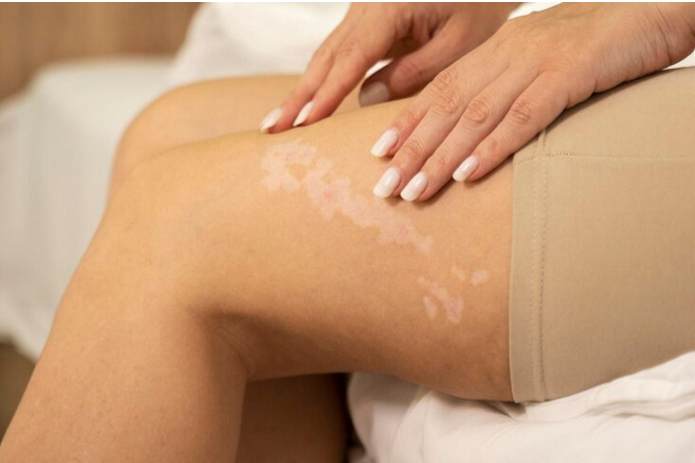
Vitiligo can feel confusing because it changes appearance in visible ways and often raises questions about cause, progress, and care. The good news is that several treatment paths exist, ranging from conventional dermatology to individualized homeopathic support, each with different goals and expectations.
What Vitiligo Means for the Skin
Vitiligo is a condition in which pigment-producing cells stop working or disappear, creating lighter patches on the skin. These patches may remain small for years or spread gradually, and they can appear anywhere on the body, including the face, hands, and areas around joints.
The condition is not contagious, and it does not mean the skin is unhealthy in every other way. Many people live comfortably with vitiligo while choosing treatment mainly to slow progression, improve color matching, or reduce emotional stress linked to visible changes.
Understanding the pattern of pigment loss helps guide realistic expectations. Some cases respond better than others, but early evaluation usually improves the chances of finding a useful plan that fits the person’s age, skin type, and stage of change.
Conventional Medical Approaches
Conventional care usually begins with a dermatologist who confirms the diagnosis and checks whether the patches are stable or spreading. Based on that assessment, doctors may suggest creams, light-based therapy, or in some cases procedures designed to restore pigment.
Topical corticosteroids and calcineurin inhibitors are commonly used for smaller or sensitive areas. Narrowband ultraviolet B therapy is often chosen for wider involvement because it can stimulate repigmentation over time when sessions are done consistently under supervision.
These methods do not work overnight, and results vary by body area. Facial patches often respond better than hands or feet, so treatment planning should include patience, regular follow-up visits, and honest discussion about what improvement may realistically look like.
How Does Homeopathy Fit In?
Homeopathy takes a different approach by focusing on the person as a whole rather than only on visible spots. A homeopathy vitiligo specialist may ask about digestion, stress patterns, sleep quality, family history, and triggers before selecting an individualized remedy.
Many people look into this route because they want gentle care that feels personalized. Interest in homeopathy vitiligo treatment in Madurai and other cities often comes from patients seeking long-term support alongside lifestyle guidance rather than short-term symptom control alone.
- Individualized remedy selection based on overall symptoms
- Gentle approach that avoids strong topical medication
- Focus on constitutional balance and emotional wellbeing
- Often used alongside careful skin monitoring
- Requires consistent follow-up for meaningful assessment
Homeopathy should be approached with realistic expectations. It may be considered as part of a broader care plan, especially when someone values individualized consultation and ongoing observation from a qualified practitioner familiar with pigment disorders.
Which Factors Influence Results?
Response to any vitiligo treatment depends on several practical factors. The size of the patches matters, as does how long they have been present. Newer areas generally have a better chance of showing repigmentation than long-standing stable spots.
Location also plays an important role because certain areas contain more active pigment cells than others. The face and trunk often improve sooner than fingers or feet, while mucosal areas may be more difficult to treat effectively with standard options.
- Early patches often respond faster to intervention
- Facial areas usually show better repigmentation outcomes
- Stable disease can guide safer treatment choices
- Sun exposure affects contrast between normal skin
- Emotional stress may influence day-to-day coping
Because outcomes vary so widely, tracking progress matters more than comparing one person’s experience with another’s. A thoughtful plan should include photos taken over time so subtle improvement is easier to notice during follow-up appointments.
Why Sun Protection Still Matters
Sun protection is essential because depigmented skin burns more easily than surrounding skin. Even when someone is actively treating vitiligo, unprotected exposure can increase redness, irritation, and contrast between affected and unaffected areas during sunny months.
A broad-spectrum sunscreen helps protect exposed patches during daily routines. Hats, clothing coverage, and shade are equally useful because they reduce discomfort while also limiting tanning around white patches that can make them stand out more sharply.
Protecting the skin does not interfere with treatment; instead, it supports it. People using either conventional care or homeopathic support benefit from making sun safety part of everyday habits rather than treating it as an occasional extra step.
Can Lifestyle Support Treatment?
Lifestyle changes cannot cure vitiligo by themselves, but they can support overall wellbeing during treatment. Good sleep, balanced meals, hydration, and stress management help many people feel more stable while navigating repeated appointments or gradual skin changes over time.
Because emotional strain can affect confidence and social comfort, coping strategies matter too. Supportive conversations with family members or counselors can reduce isolation and make it easier to stay consistent with medical advice or long-term follow-up plans.
Some patients also pay attention to triggers such as friction or repeated irritation at certain sites. While these factors do not explain every case of vitiligo treatment response, together with professional care, they can help create a more comfortable routine overall.
Choosing Between Treatment Paths
Choosing between conventional medicine and homeopathy does not have to be an all-or-nothing decision. Some people prefer dermatology first for diagnosis confirmation, while others want a holistic consultation before deciding how aggressively they wish to pursue repigmentation.
The best choice depends on disease activity, expectations, budget, access to care, and personal comfort with each method. A homeopathic consultation may appeal to those who want individualized attention, while medical therapy may suit those seeking established protocols backed by clinical use.
When comparing options, ask about timelines, side effects, follow-up frequency, and how progress will be measured. Clear communication makes it easier to avoid disappointment because vitiligo often requires steady commitment rather than quick dramatic change from any single method alone.
What Questions Should You Ask Before Starting?
Before beginning treatment, it helps to ask practical questions that clarify your plan. You should understand whether your case appears stable, active localized, or widespread because those details influence what approach is most appropriate right now.
It is also wise to ask how long improvement might take, whether photographs will be used for tracking, whether any combination approach makes sense, and what signs would mean you should return sooner for review if something changes unexpectedly.
- Is my vitiligo active or currently stable?
- Which body areas are most likely to improve?
- How will progress be measured over time?
- Are there side effects I should watch for?
- Should I combine treatments or choose one first?
Good questions create better decisions because they turn uncertainty into structure. Whether you lean toward conventional medicine, options like vitiligo treatment in chennai, homeopathy, or both, you deserve a clear explanation that matches your goals, age, lifestyle, and level of concern about appearance changes.
Living Well With Ongoing Care
Living well with vitiligo means treating both the skin condition and the emotional impact that comes with it. Many people find confidence by building routines around sun protection, follow-up visits, skincare consistency, and supportive relationships that reduce daily worry about appearance.
Progress may come slowly, but even small changes matter when tracked carefully over months rather than days. Whether someone chooses dermatology, homeopathic support, or an integrated plan, the key is staying informed, patient, and realistic about how healing usually unfolds over time